Decision to Leave: Beauty Meets Mystery
Park Chan-wook's Decision to Leave (2022) is a masterwork of restrained passion — a film that seduces, unsettles, and devastates in equal measure. It earned Park the Best Director award at the 2022 Cannes Film Festival, a recognition long overdue for a filmmaker who had already given the world Oldboy and The Handmaiden. The film stars Park Hae-il as Detective Hae-jun, a meticulous, insomniac investigator working in Busan, and Tang Wei as Seo-rae, a mysterious Chinese-Korean woman who becomes the prime suspect in her elderly husband's fatal fall from a mountain. What unfolds is not a conventional thriller but rather an intricately layered love story disguised as a detective procedural, where the act of surveillance becomes indistinguishable from the act of devotion.
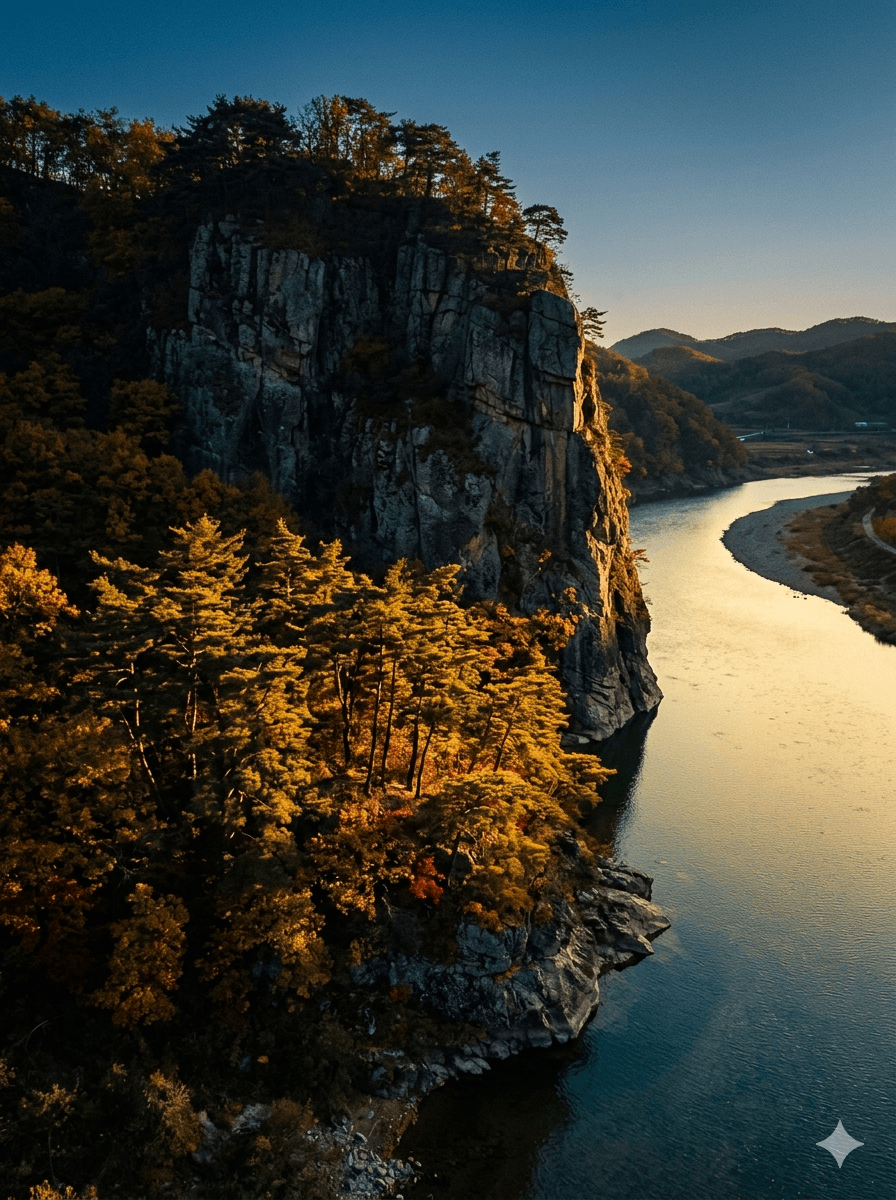
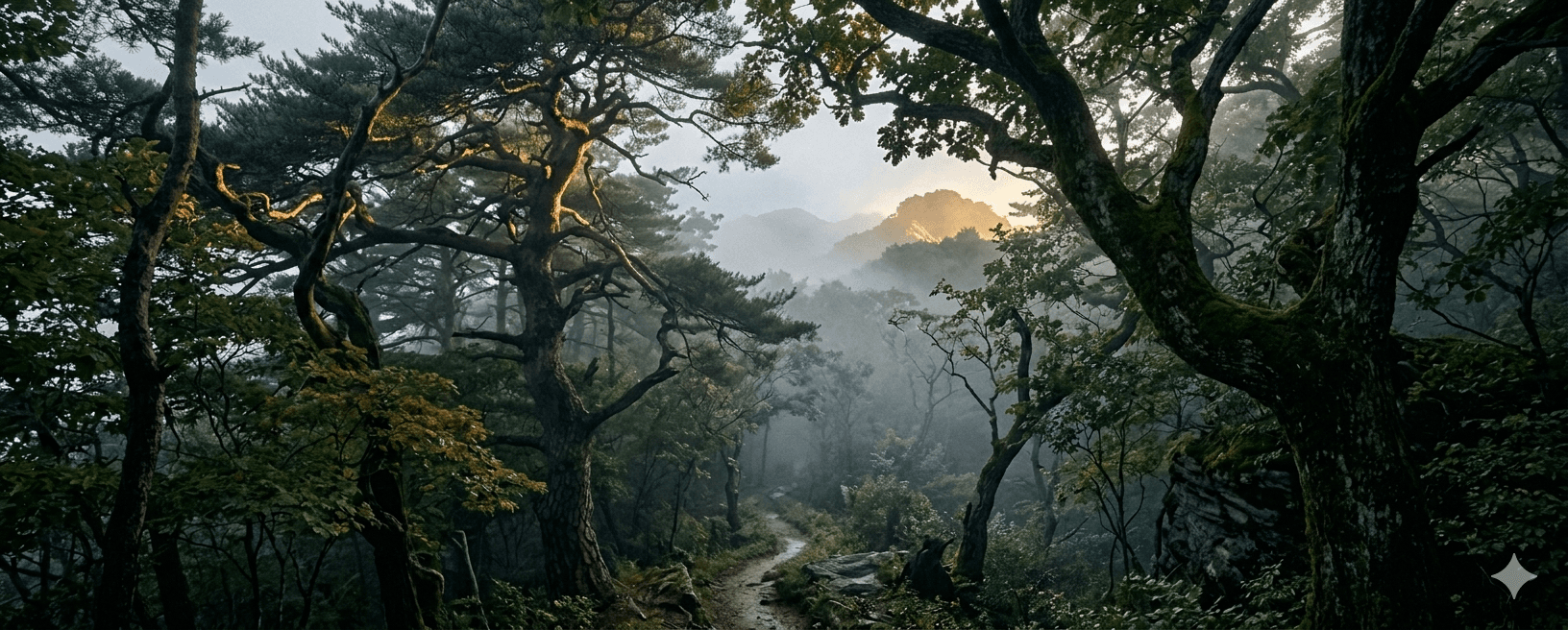
The film's genius lies in its spatial narrative. Park Chan-wook structures the entire story around a movement from mountain to sea — the first half takes place amid the misty peaks of Sancheong, where the initial death occurs, while the second half migrates to the coastal expanses of Busan, where the ocean becomes both a symbol of Hae-jun's overwhelming feelings and a harbinger of the story's devastating conclusion. Every location is chosen not just for visual beauty but for emotional precision, making Decision to Leave one of the most geographically intentional films in recent memory. The result was a critical sensation that confirmed Park Chan-wook's status among the greatest living directors.
Behind the Scenes
The production of Decision to Leave was driven by Park Chan-wook's obsessive attention to spatial aesthetics — the idea that where a scene takes place is inseparable from what it means. Every apartment, mountainside, and beach was scouted, tested, and selected to serve the story's emotional architecture. Park reportedly rejected dozens of potential locations before settling on each final choice, seeking spaces that would feel simultaneously real and slightly dreamlike.
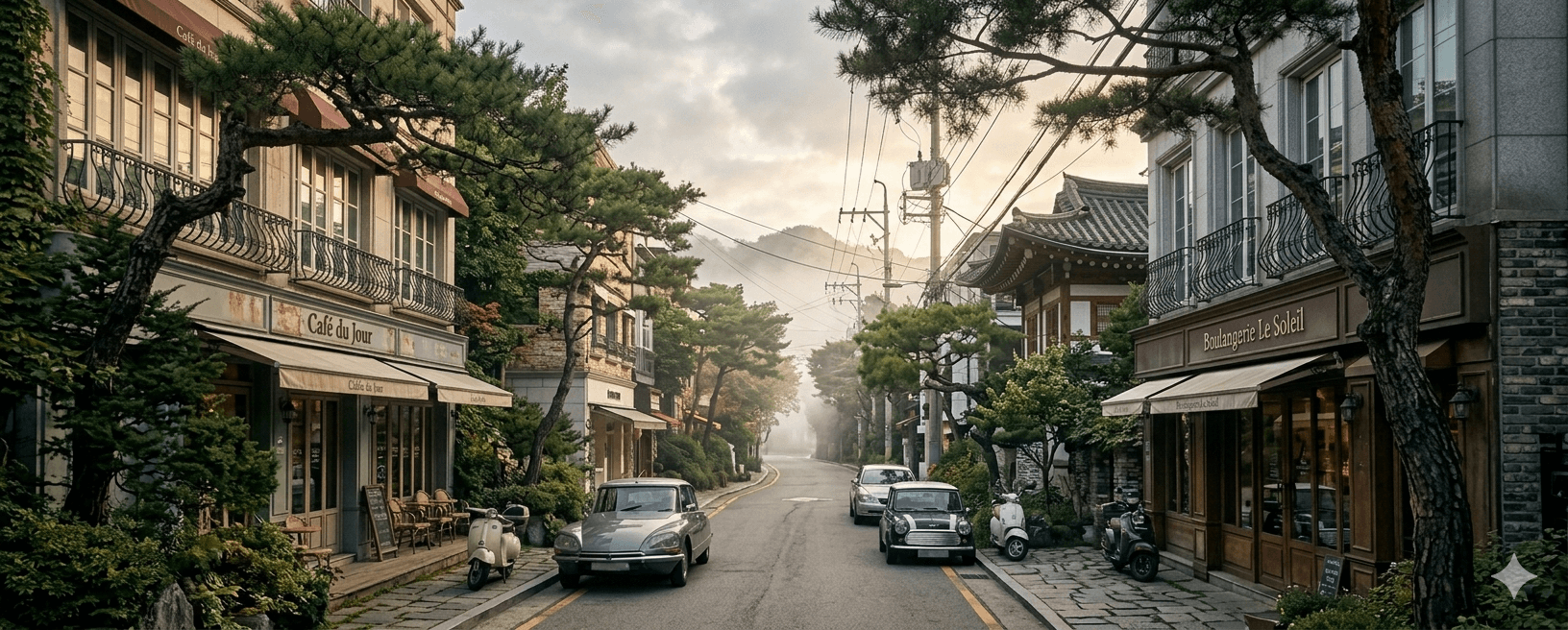
Tang Wei's commitment to the role was extraordinary. The Chinese actress spent months learning Korean specifically for the part, mastering not just the language but the particular rhythms and hesitations of a non-native speaker that define Seo-rae's character. Her effort gives Seo-rae's dialogue a delicate, slightly formal quality that becomes central to the film's tension — you are never quite sure whether her careful word choices reflect linguistic limitation or calculated manipulation. The selection of Seorae Village in Seoul as the character's neighborhood was a stroke of poetic genius: this real neighborhood, historically Seoul's French quarter, shares its name with the heroine. The tree-lined streets and European-influenced architecture give Seo-rae's world an otherworldly, transplanted quality that mirrors her status as a foreigner in Korea. Night-filming sequences at the Busan Cinema Center (Dureraum) utilized the building's dramatic cantilevered roof — the world's largest — as a striking backdrop for pivotal scenes.
Filming Location Travel Guide
Decision to Leave's filming locations span two cities, making for either a focused single-city visit or a rewarding two-day Seoul-Busan itinerary. In Seoul, start at Seorae Village in Seocho-gu. Take Subway Line 9 to Gubanpo Station and walk approximately 10 minutes south into the neighborhood. The quiet, leafy streets lined with French bakeries, wine bars, and low-rise apartment buildings immediately evoke the film's atmosphere. Seo-rae's world feels present here — the European architectural details, the unhurried pace, and the slight sense of existing outside typical Seoul life.
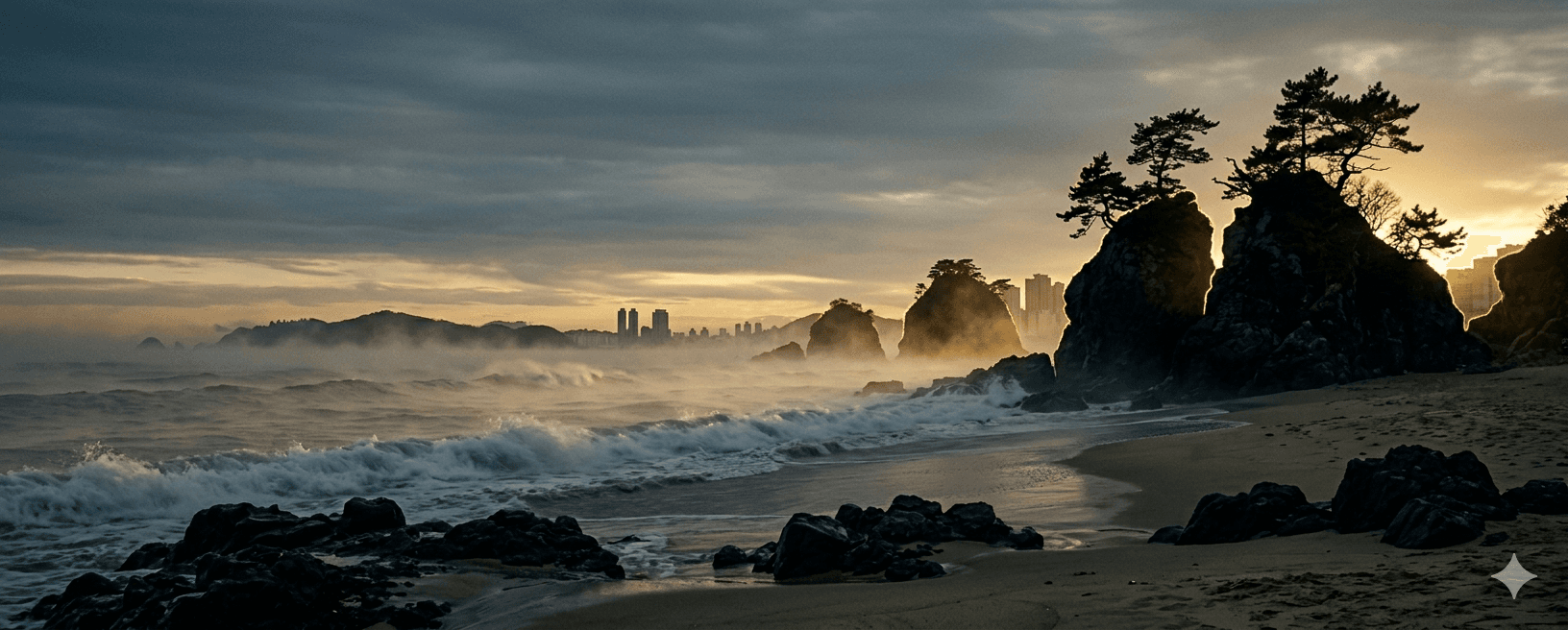
For the Busan course, begin at Haeundae Beach (Busan Metro Line 2, Haeundae Station, 10-minute walk to the shore). The vast stretch of coastline that serves as the film's emotional backdrop is stunning year-round, though visiting in winter most closely matches the moody, grey-sky atmosphere Park Chan-wook captured on film. From Haeundae, travel to the Busan Cinema Center in Centum City (Centum City Station, Busan Metro Line 2), where the building's iconic illuminated roof creates a powerful nighttime photo opportunity. The mountain scenes were filmed in Sancheong-gun, accessible by bus from Jinju — this is best suited for dedicated fans willing to make a longer day trip into Gyeongsangnam-do's interior. Spring and autumn offer the most comfortable conditions for the Busan coastal walks, while winter provides the atmospheric moodiness that defines the film's visual identity.
Fan Pilgrimages
Seorae Village has become a quiet but devoted pilgrimage destination for fans of the film. Unlike the bustling tourist scenes at some Korean filming locations, visitors here tend to be cinephiles who appreciate the neighborhood's understated elegance. The most popular activity is a cafe pilgrimage through the village's French-influenced establishments — sitting with a coffee and a pastry in a Seorae Village cafe, watching the afternoon light filter through plane trees, is about as close as you can get to inhabiting the film's contemplative mood.
Winter visits to Haeundae are particularly prized by fans seeking to match the film's emotional atmosphere. The summer-crowd beach transforms into a windswept, almost melancholy landscape during the colder months, with grey skies meeting grey water at the horizon — precisely the visual that Park Chan-wook used to represent the vastness and impossibility of Hae-jun's feelings. Social media hashtags like #DecisionToLeave, #헤어질결심, and #ParkChanWook connect an international community of fans who share scene-comparison photos, favorite cafe recommendations in Seorae Village, and personal reflections on the film's themes. The Busan Cinema Center's rooftop, with its LED-illuminated underside, has become a popular nighttime photography spot that extends beyond film fans into Busan's broader cultural tourism scene.
Nearby Food & Attractions
Seorae Village is one of Seoul's finest dining neighborhoods, particularly for fans of French and European cuisine. The area is home to authentic French restaurants, bistros, and patisseries that have served Seoul's French expatriate community for decades. Try a leisurely lunch at one of the village's longstanding brasseries, or grab a freshly baked croissant from a neighborhood bakery. Just south of the village, Montmartre Park (named for its Parisian inspiration) offers a green hillside with benches and walking paths — a perfect spot to reflect on the film while overlooking the neighborhood's rooftops.
In Busan, the area surrounding Haeundae Beach is a food and entertainment destination in its own right. Walk east along the coast toward Dalmaji Hill, a scenic road lined with cafes, galleries, and ocean-view restaurants that becomes especially magical at sunset. For evening atmosphere, cross to Gwangalli Beach, where the illuminated Gwangan Bridge creates one of Korea's most spectacular night views — pair it with fresh sashimi at one of the beachfront raw fish restaurants. For accommodation, Haeundae's oceanfront hotels place you steps from the beach, while in Seoul, guesthouses and boutique hotels in the Seocho-Gangnam area provide convenient access to Seorae Village and excellent subway connections throughout the city.