Oldboy: Legendary Spaces of Revenge
Park Chan-wook's Oldboy (2003) is not just a film — it is a seismic event in world cinema that permanently altered how international audiences perceive Korean filmmaking. The movie won the Grand Prix at the 2004 Cannes Film Festival, with jury president Quentin Tarantino reportedly pushing hard for it to receive the Palme d'Or itself. The story of Oh Dae-su (played by Choi Min-sik in a career-defining performance), an ordinary man imprisoned in a private cell for 15 years and then released to uncover the reason why, is the centerpiece of Park Chan-wook's celebrated Vengeance Trilogy, which also includes Sympathy for Mr. Vengeance (2002) and Lady Vengeance (2005).
Oldboy's influence has been vast and enduring. It became a global cult classic that filmmakers from Tarantino to the Wachowskis openly cite as an inspiration. Spike Lee directed a Hollywood remake in 2013 starring Josh Brolin, though it only underscored how singular Park's original vision remains. The film launched Korean cinema onto the world stage years before Parasite would deliver the knockout blow, proving that South Korea could produce auteur-driven genre films that stood alongside the best work coming out of any country on earth. More than two decades after its release, Oldboy continues to top lists of the greatest thrillers, most shocking plot twists, and most influential Asian films ever made.
Behind the Scenes
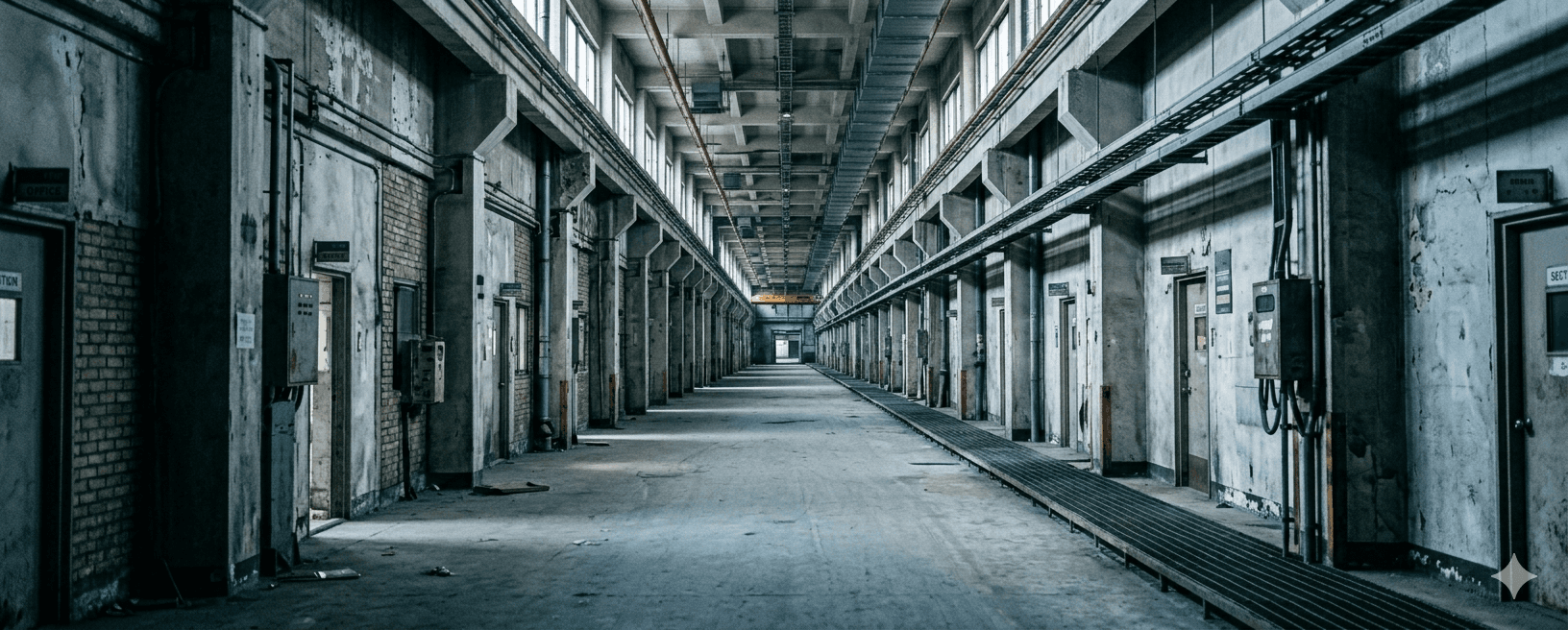
The production of Oldboy is defined by moments of extraordinary ambition. The film's most celebrated sequence — the one-take corridor fight scene — has become perhaps the most analyzed and imitated action set piece in modern cinema. In the scene, Dae-su battles his way through a narrow hallway against dozens of attackers armed with nothing but a claw hammer. The shot runs for approximately three continuous minutes with no visible cuts, the camera tracking laterally along the corridor like a side-scrolling video game. Achieving this required 17 grueling takes over three days of shooting, with Choi Min-sik and the stunt team performing the choreography repeatedly until Park was satisfied.
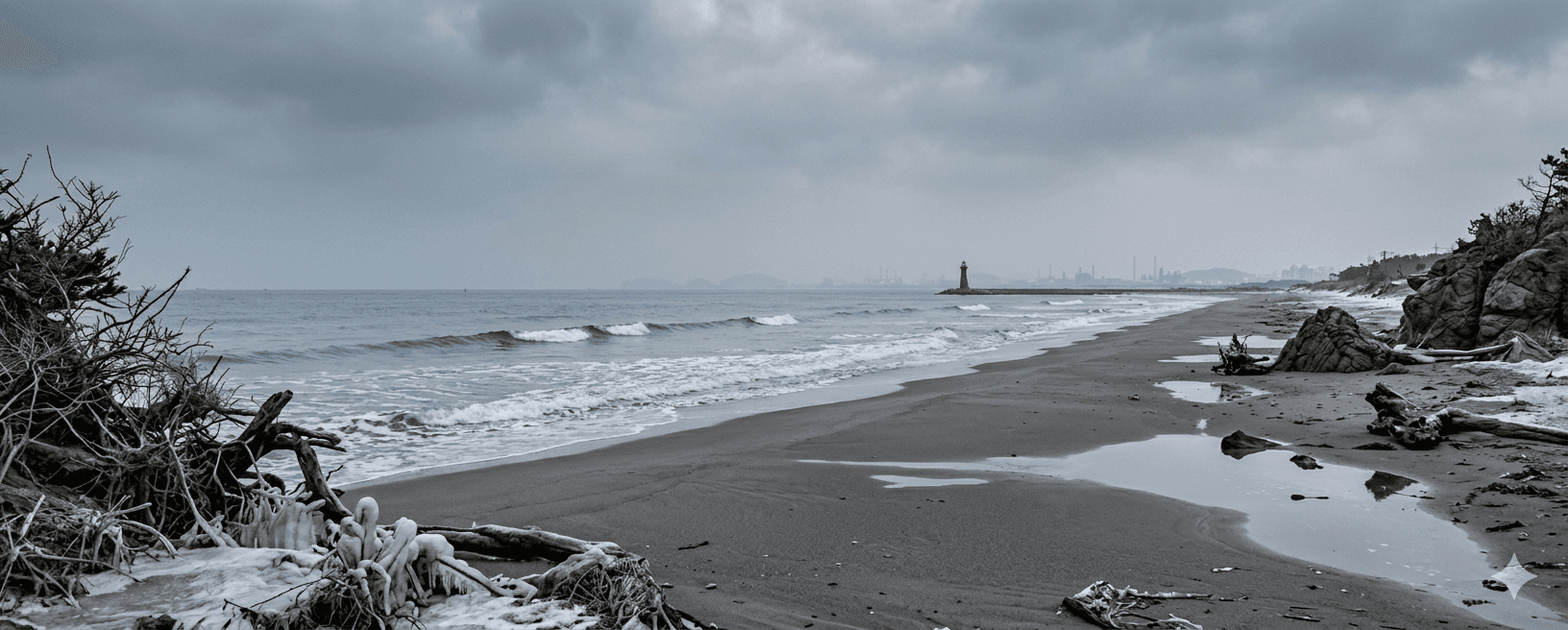
The corridor itself was built as a set in a building near Gayang Station in the Gangseo-gu district of Seoul. The intentionally narrow, claustrophobic proportions of the hallway — barely wide enough for two people to stand abreast — were designed to amplify the visceral brutality of the fight. For Dae-su's 15-year confinement, the production team constructed a meticulously detailed prison room set that captured the suffocating monotony of a life reduced to four walls, a bed, and a television. The snow-covered beach scene at Oido was filmed during an actual winter cold snap, with temperatures well below freezing, lending an authenticity to the desolate coastal landscape that mirrors Dae-su's emotional devastation in the story's climactic revelation.
Filming Location Travel Guide
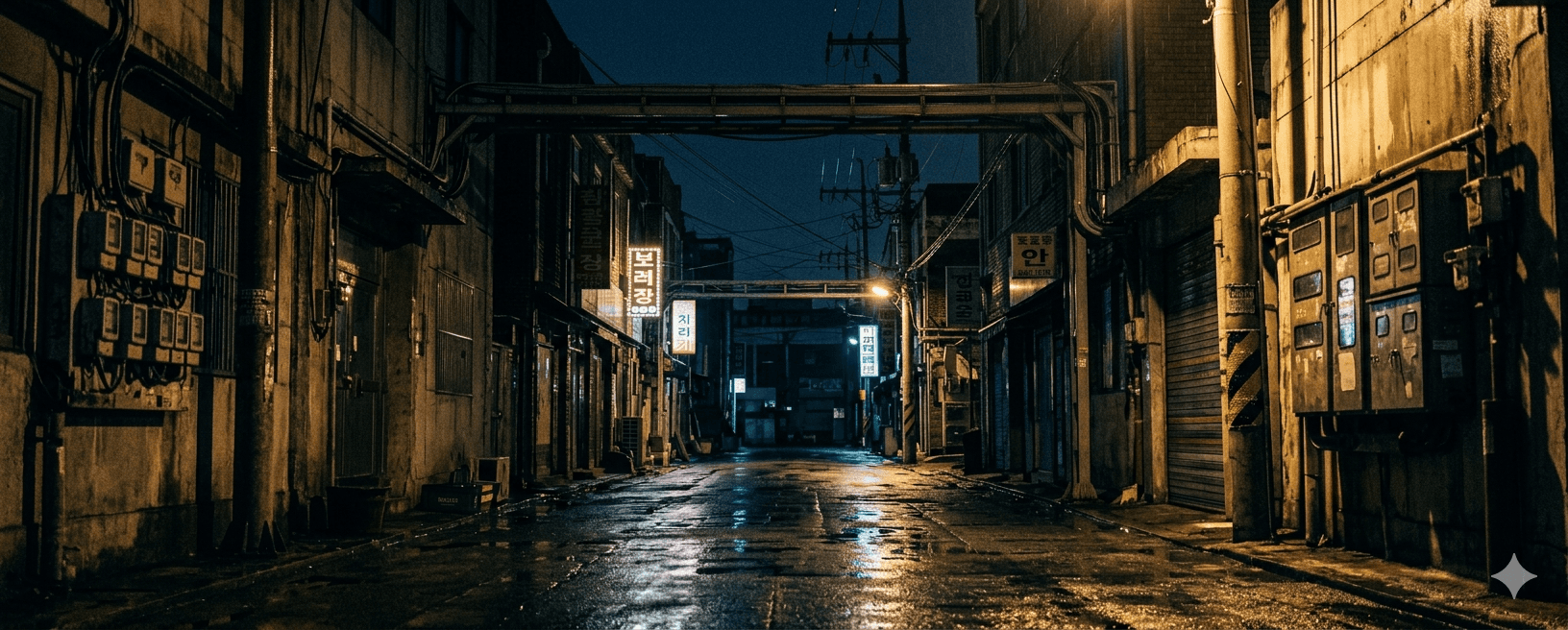
The key Oldboy locations are spread across the Seoul metropolitan area and can be visited in a well-planned day trip. Start in Yongsan-gu, where the disoriented Dae-su wanders the urban streets after his mysterious release. Yongsan Station (Line 1) puts you in the heart of this district, and a 5-minute walk through the surrounding blocks captures the same dense, slightly overwhelming cityscape that defined Dae-su's re-entry into the world.
From Yongsan, take Subway Line 9 to Gayang Station, which is closest to the building where the legendary corridor scene was shot. The area around Gayang-dong in Gangseo-gu has changed considerably since 2003, but the neighborhood's industrial character persists, and walking the blocks near the station gives you a feel for the gritty urban environment Park Chan-wook chose. Finally, head to Oido for the film's powerful seaside climax. Take Subway Line 4 to its terminus at Oido Station, then walk approximately 20 minutes west toward the coast. The windswept tidal flats and vast horizon provide a dramatic contrast to the enclosed urban settings of the rest of the film. A recommended course is Yongsan (morning) to Gayang (midday) to Oido (afternoon), timing your arrival at the coast for late-afternoon light that closely matches the film's melancholy winter palette.
Fan Pilgrimages
For cinephiles and action movie enthusiasts, visiting the Oldboy locations is a rite of passage. The corridor scene is what draws most visitors — fans come to the Gayang-dong area specifically to stand in the neighborhood where one of cinema's greatest single-take sequences was born. While the original building interior is not publicly accessible, the surrounding area evokes the industrial grittiness that Park Chan-wook channeled into the film's visual identity. Social media accounts dedicated to Korean film tourism regularly feature scene-matching photos at these locations, with fans recreating Dae-su's hammer-wielding stance or his iconic suited silhouette.
Winter visits to Oido are particularly popular among dedicated fans, as the cold, grey coastal atmosphere closely replicates the conditions under which the film's devastating climax was shot. The contrast between the frozen shoreline and the emotional heat of the story's revelations is something that resonates even more powerfully when experienced in person. Hashtags like #OldboyFilming, #ParkChanWook, and #OldboyKorea connect an international community of fans who share location tips, photo angles, and personal reflections on how the film's spaces shaped their viewing experience. Several Seoul-based film fan tour operators now include Oldboy stops on their Korean cinema itineraries, often pairing them with locations from Park Chan-wook's other works.
Nearby Food & Attractions
Each Oldboy location sits near distinctive dining and sightseeing opportunities. From Yongsan, it is a short walk or one subway stop to Itaewon, Seoul's most internationally diverse neighborhood. The streets around Itaewon offer everything from craft cocktail bars to authentic Middle Eastern cuisine, and the Yongsan Electronics Market (though smaller than in its heyday) retains a fascinating retro-tech atmosphere that film fans appreciate.
Near Gayang Station, the rapidly developing Magok district has become a hub for modern cafes, waterfront parks along the Anyangcheon Stream, and the architecturally striking LG Science Park. The area offers a pleasant contrast between old Gangseo-gu character and contemporary urban renewal. At Oido, the main attraction beyond the film connection is the extraordinary seafood. The waterfront is lined with restaurants specializing in grilled shellfish — cockles, clams, and scallops cooked over charcoal right at your table — along with raw fish platters and spicy seafood stews. The Oido tidal flats are also a popular destination for families and photographers, especially at sunset. For accommodation, Yongsan-gu hotels provide the most central base for an Oldboy tour, with excellent subway connections to all three filming locations.