The King's Warden: Walking Danjong's Final Days
The biggest Korean box-office hit of early 2026, The King's Warden is director Jang Hang-jun's first historical drama and a deeply human retelling of one of the Joseon Dynasty's most tragic chapters. The film centers on King Danjong (Park Jihoon), the boy king who ascended the throne at age twelve only to be deposed by his own uncle, King Sejo, and exiled to the remote mountain town of Yeongwol in Gangwon Province. Yoo Hae-jin delivers a career-defining performance as the gruff but tenderhearted village chief who reluctantly takes on the dangerous role of the deposed king's guardian — a duty that puts his entire family at risk. The film explores loyalty, courage, and the quiet heroism of ordinary people caught in the machinery of political power. Audiences responded overwhelmingly: the film crossed the 10 million admissions mark within a single month of its February 4, 2026 release, placing it among the elite club of Korean films to achieve that milestone. Critics praised its restrained direction, gorgeous Gangwon Province landscapes, and a screenplay that finds warmth and even humor in the midst of historical tragedy.
Behind the Scenes: Building a Joseon Village from Scratch
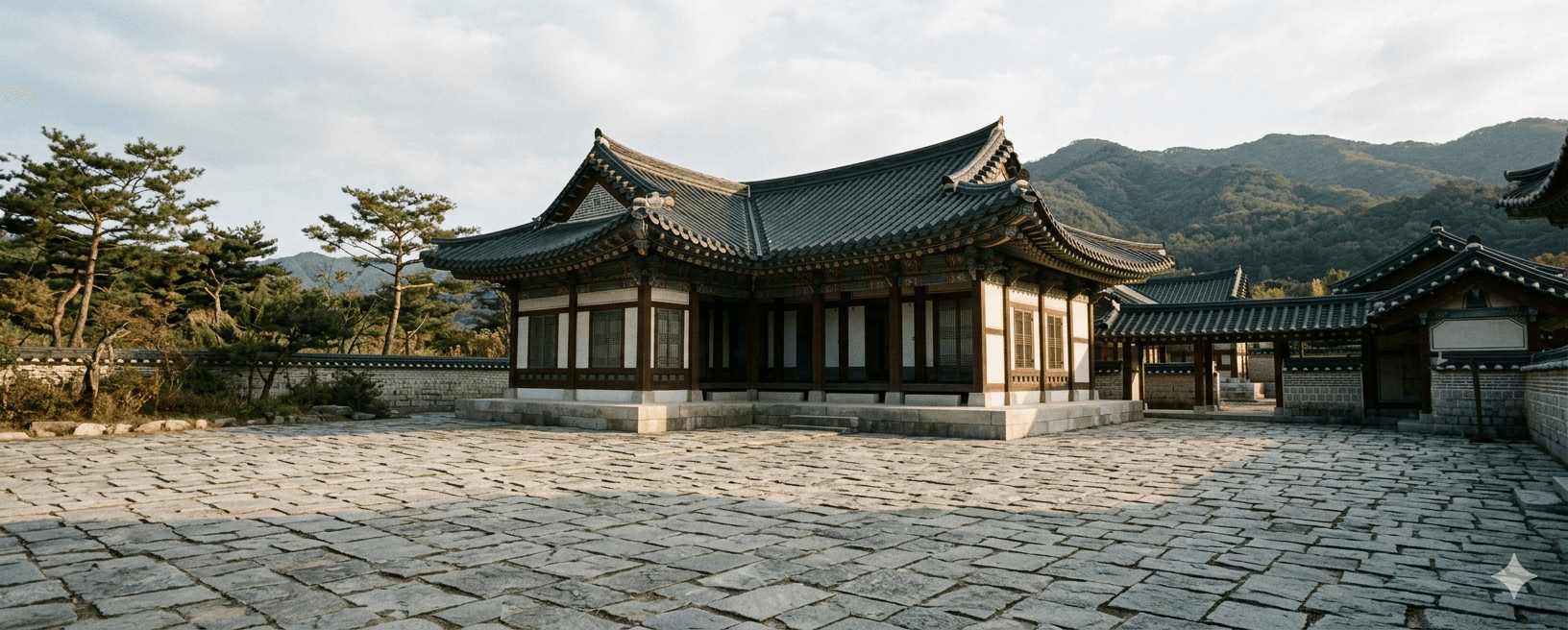
Because the real Cheongnyeongpo exile site has become a protected tourist attraction where construction is prohibited, the production team spent months scouting before discovering a similar river tributary in a remote Gangwon valley where they could build a custom open set from the ground up. An access road had to be carved through undeveloped forest terrain just to bring in construction materials, and the resulting set — a small cluster of thatched-roof houses, a modest wooden gate, and a riverside lookout — was designed to reflect the isolation and vulnerability Danjong would have felt. After filming wrapped, the entire set was carefully dismantled and the land was restored to its natural state. The larger Joseon-era village and government office scenes were shot at the Mungyeong Saejae Open Set, a permanent filming complex featuring 130 traditional buildings including replicas of Gwanghwamun Gate, the Gyotaejeon throne hall, and a full marketplace. This set, tucked into a mountain pass that was historically one of the major routes connecting Seoul and the southern provinces, provides a geographical authenticity that most sageuk productions filmed on soundstages cannot match. Costume designer Park Soon-deok worked with historical consultants to ensure that every garment — from Danjong's stripped-down exile robes to the village chief's patched overcoat — reflected the economic realities of fifteenth-century rural Korea rather than the idealized court fashion typically seen in period dramas.
Travel Guide: Yeongwol Day Trip and Mungyeong Saejae
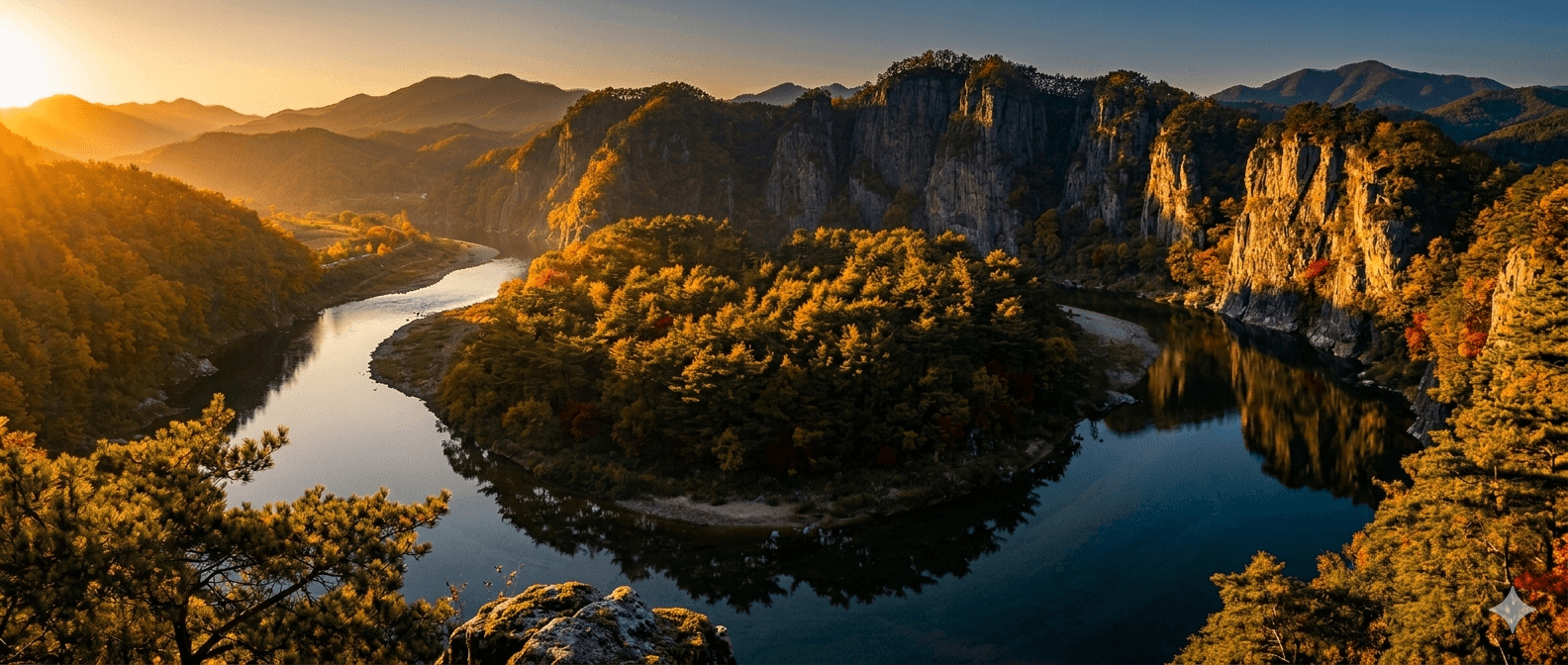
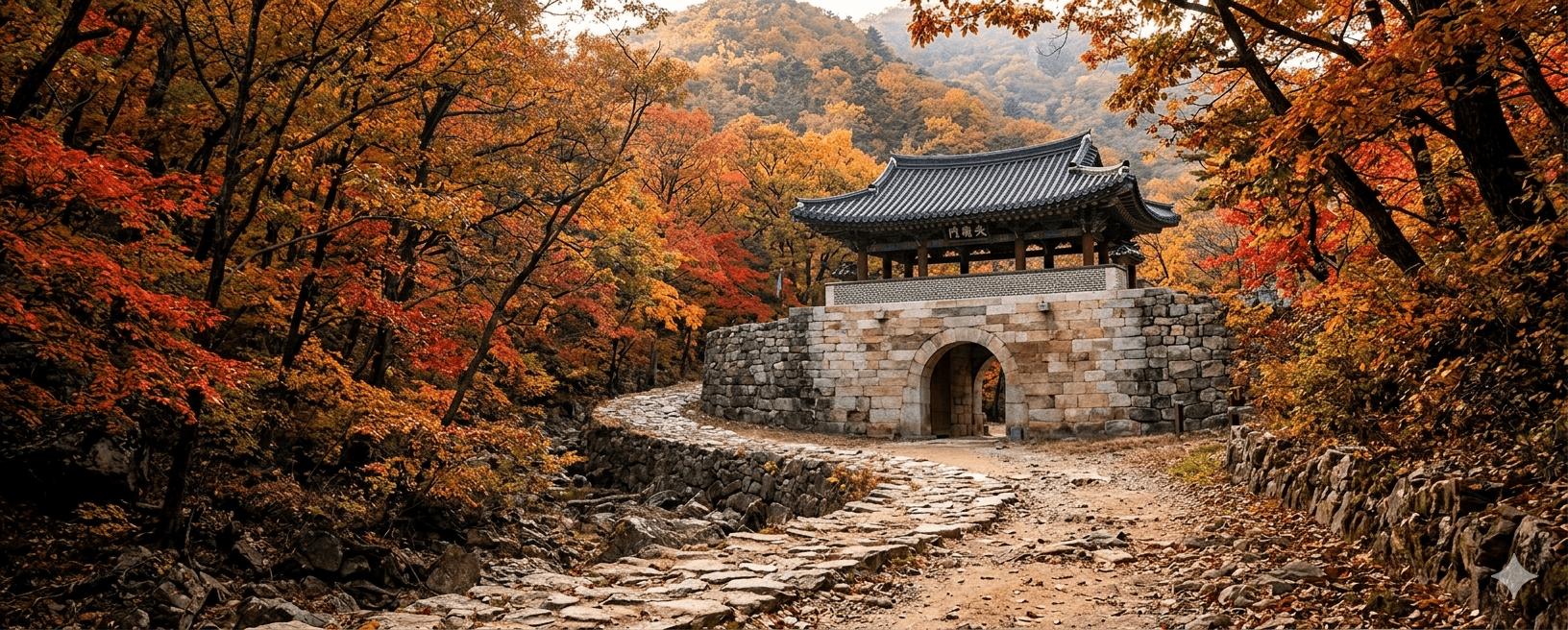
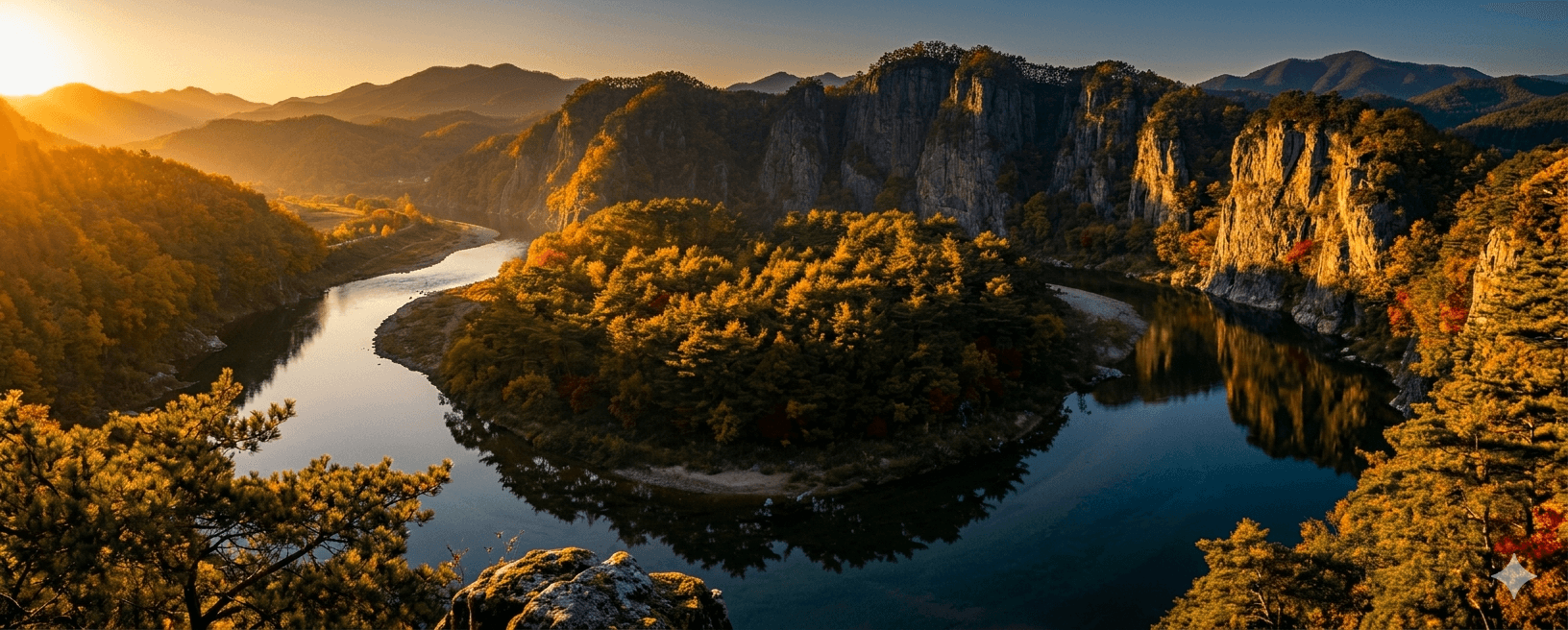
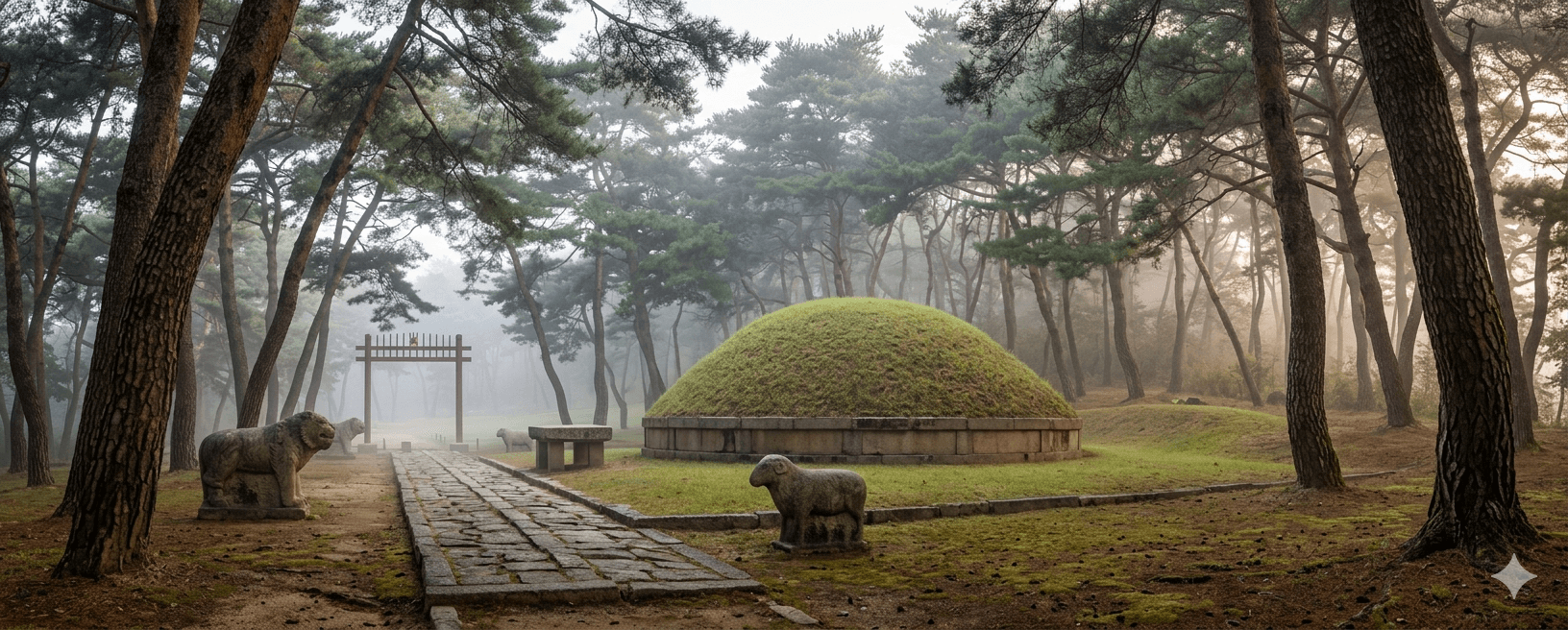
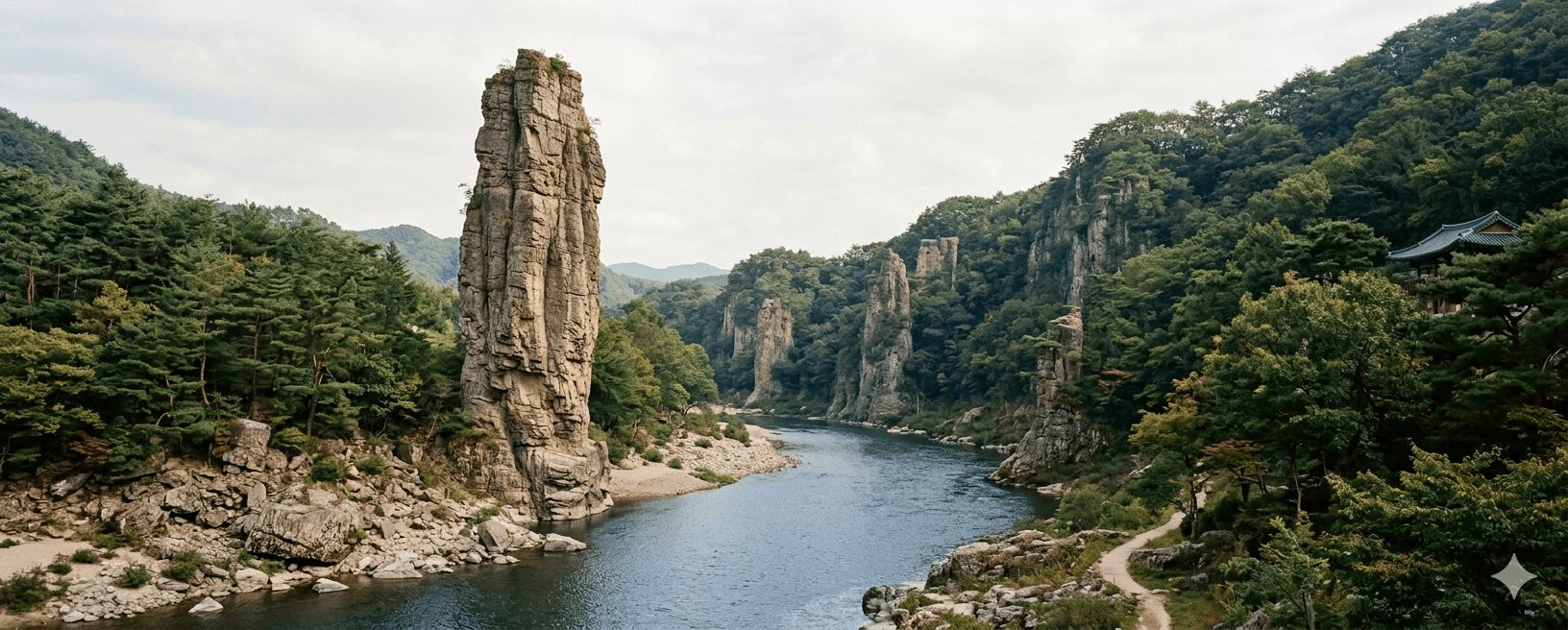
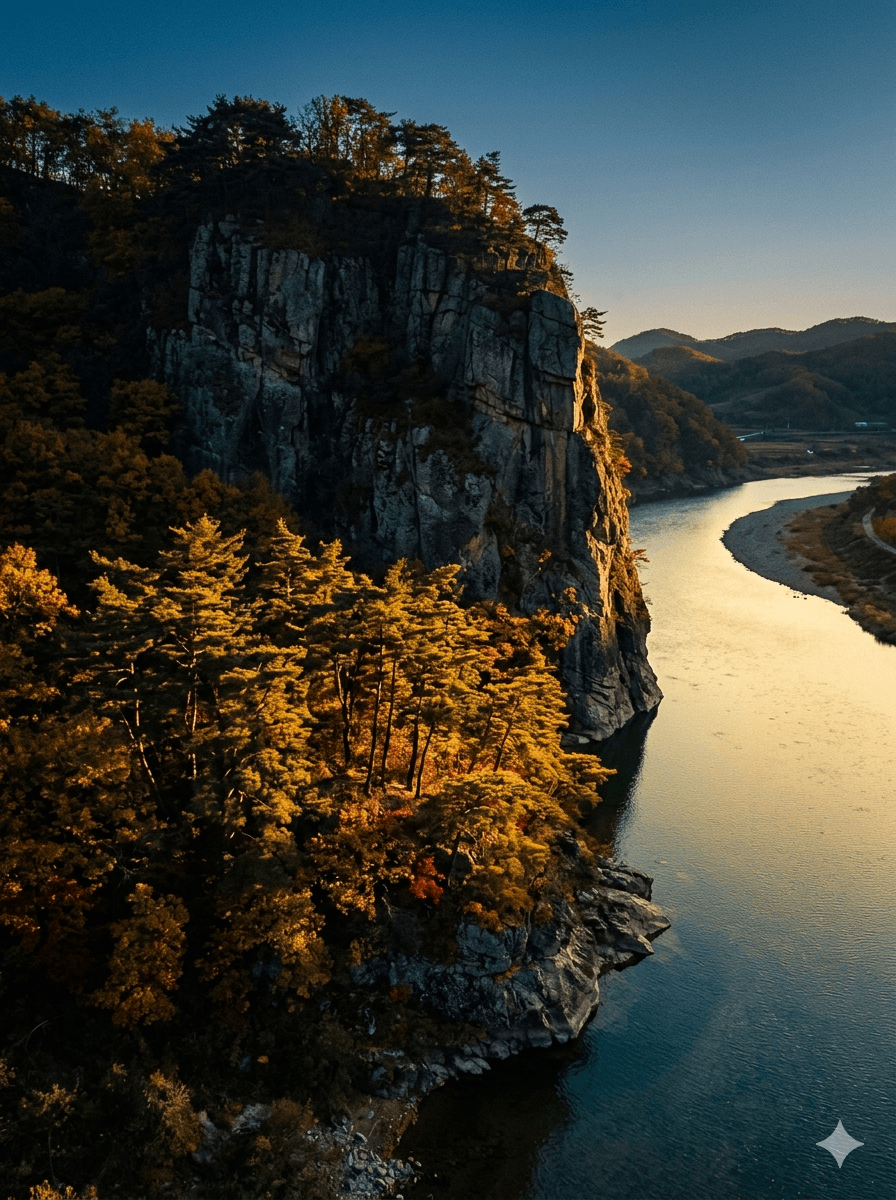
Yeongwol is most easily reached from Seoul by intercity bus. Buses depart from Dong Seoul Terminal (Gangbyeon Station, Line 2) to Yeongwol roughly every hour, with the journey taking about 1 hour and 50 minutes. Once in Yeongwol, the key filming-related sites are clustered within a compact area. Start at Cheongnyeongpo, about 15 minutes by taxi from Yeongwol Bus Terminal. To reach the exile site itself, you must take a small boat across the river — a crossing that powerfully evokes the isolation Danjong experienced, surrounded by water on three sides and sheer cliffs on the fourth. Next, drive 10 minutes to Gwanpungheon, the county guest house where Danjong was moved after flooding made Cheongnyeongpo uninhabitable; the adjacent Jagyuru pavilion, where the young king wrote his famous lament poem, is a quiet and moving spot. Continue another 5 minutes to Jangneung, Danjong's royal tomb — the only Joseon royal tomb located in Gangwon Province, set in a forest clearing that feels worlds apart from the elaborate tomb complexes near Seoul. Finally, Seondol Rock, a dramatic limestone pillar standing on a riverside cliff about 10 minutes away, provided the backdrop for the film's sunset scenes. For Mungyeong Saejae, it is best visited as a separate day trip. From Seoul, take a KTX to Gimcheon-Gumi Station (about 1 hour 30 minutes), then transfer to a local bus or taxi to Mungyeong (about 40 minutes). The open set is within the Mungyeongsaejae Provincial Park, which also features three historic stone gates along a beautiful mountain trail that can be hiked in about two hours.
Fan Pilgrimages
The film's enormous box-office success has turned Yeongwol from a quiet mountain town into a bona fide cultural tourism destination. In the weeks following the film's release, local authorities reported that weekend visitors to Cheongnyeongpo tripled compared to the same period the previous year. Tour operators in Seoul now offer dedicated "King's Warden Day Trip" packages that include round-trip bus transport, a guided tour of all four Yeongwol sites, and a traditional Korean lunch. The boat crossing to Cheongnyeongpo has become a particularly popular moment for social media posts, with fans filming their approach to the exile site and noting how the river and cliffs look exactly as they do in the film. At Jangneung, visitors leave handwritten messages on small cards at a memorial station near the tomb, many of them addressed directly to Danjong or expressing gratitude to Yoo Hae-jin's character for his loyalty. The Mungyeong Saejae Open Set has also seen increased traffic, with visitors renting traditional hanbok to wear while walking through the Joseon village streets — a service that existed before the film but has expanded significantly since. Film historians and culture critics have noted that the movie has revived public interest in the Danjong restoration narrative, a chapter of Korean history that was previously familiar mainly to scholars and history enthusiasts.
Food and Nearby Attractions
Yeongwol is known for its pristine natural environment and hearty mountain cuisine. The local specialty is hanwoo (Korean beef), raised on the region's clean mountain pastures, and several restaurants near the bus terminal serve grilled hanwoo sets at prices significantly lower than Seoul equivalents. Gondeure-bap — rice cooked with gondeure (thistle) greens, a wild mountain herb — is another Yeongwol signature dish, simple in preparation but deeply flavorful. For a memorable evening, visit the Byeolmaro Observatory, one of Korea's premier stargazing facilities, perched at 800 meters above sea level on a hillside overlooking the town. The observatory offers telescope sessions and planetarium shows, and on clear nights the Milky Way is visible to the naked eye — a rare experience this close to Seoul. Adventure seekers can book a Donggang River rafting trip, a popular spring and summer activity that runs through dramatic limestone gorges and past Seondol Rock. The rafting route takes about two to three hours and is suitable for beginners, with calm stretches punctuated by mild rapids. For those who prefer a gentler pace, the Yeongwol Rail Bike course follows a decommissioned railway line along the river, offering scenic pedaling through tunnels and over bridges. These natural attractions, combined with the film's locations, make Yeongwol an ideal weekend escape from Seoul — a place where cinematic storytelling and real Korean history converge amid some of the most beautiful landscapes in the country.