RealScene
A Taxi Driver
Movie

A Taxi Driver

Visit the real filming locations of A Taxi Driver, the powerful true story set during the 1980 Gwangju Democratization Movement.

August 2, 2017 Jang Hoon South Korea 3 Published: February 22, 2025
DramaHistoricalTrue Story

A Taxi Driver: Racing Through History

A Taxi Driver (2017) is the kind of film that transforms a nation's relationship with its own history. Directed by Jang Hoon and starring the incomparable Song Kang-ho alongside German actor Thomas Kretschmann, the film drew over 12 million viewers in Korean theaters, making it one of the highest-grossing Korean films ever released. It tells the true story of Kim Man-seob, a Seoul taxi driver who in May 1980 unwittingly drove German journalist Jurgen Hinzpeter to the city of Gwangju, where the South Korean military was brutally suppressing a pro-democracy uprising. Hinzpeter's footage, smuggled out of the country with Man-seob's help, became the first international evidence of the Gwangju Uprising (also known as the May 18th Democratization Movement) — images that shocked the world and ultimately helped catalyze South Korea's transition to democracy.

The film's power lies in its ability to make monumental history feel intimately personal. Man-seob begins the story as an apolitical, somewhat selfish cab driver concerned mainly with paying his rent. What he witnesses in Gwangju — ordinary citizens being beaten, shot, and killed by their own government — transforms him into an unlikely hero. Song Kang-ho delivers a performance that moves seamlessly between comic warmth and devastating grief, anchoring the film's emotional core. A Taxi Driver succeeded not only as entertainment but as a cultural event that prompted millions of Koreans, especially younger generations, to engage more deeply with the painful history of the Gwangju Uprising.

Behind the Scenes

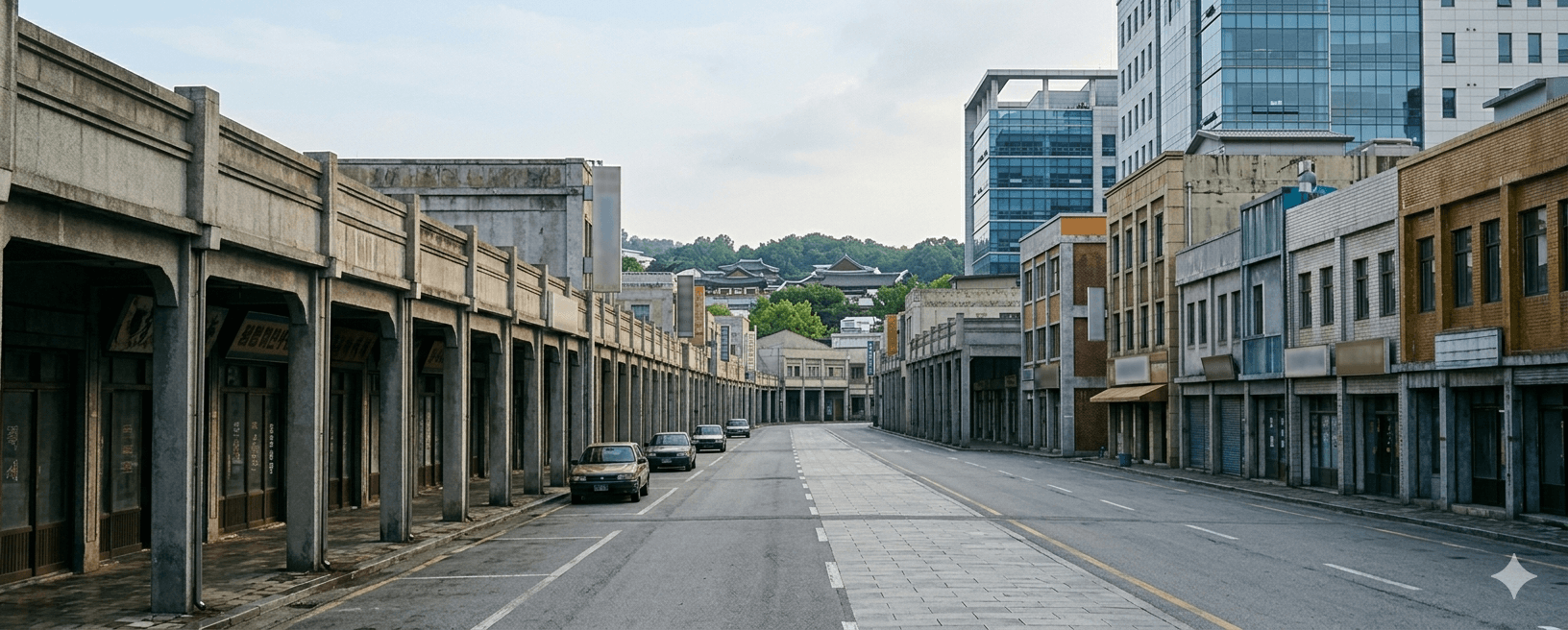
Recreating 1980s Gwangju for the film was a massive undertaking. The production team transformed modern streets into period-accurate replicas of the city as it appeared during the uprising, dressing entire blocks with vintage signage, period automobiles, and era-appropriate storefronts. The attention to historical detail extended beyond set dressing: the filmmakers consulted extensively with real survivors of the May 18th movement, incorporating their testimonies into the script and ensuring that the depiction of events respected the lived experiences of those who were there.

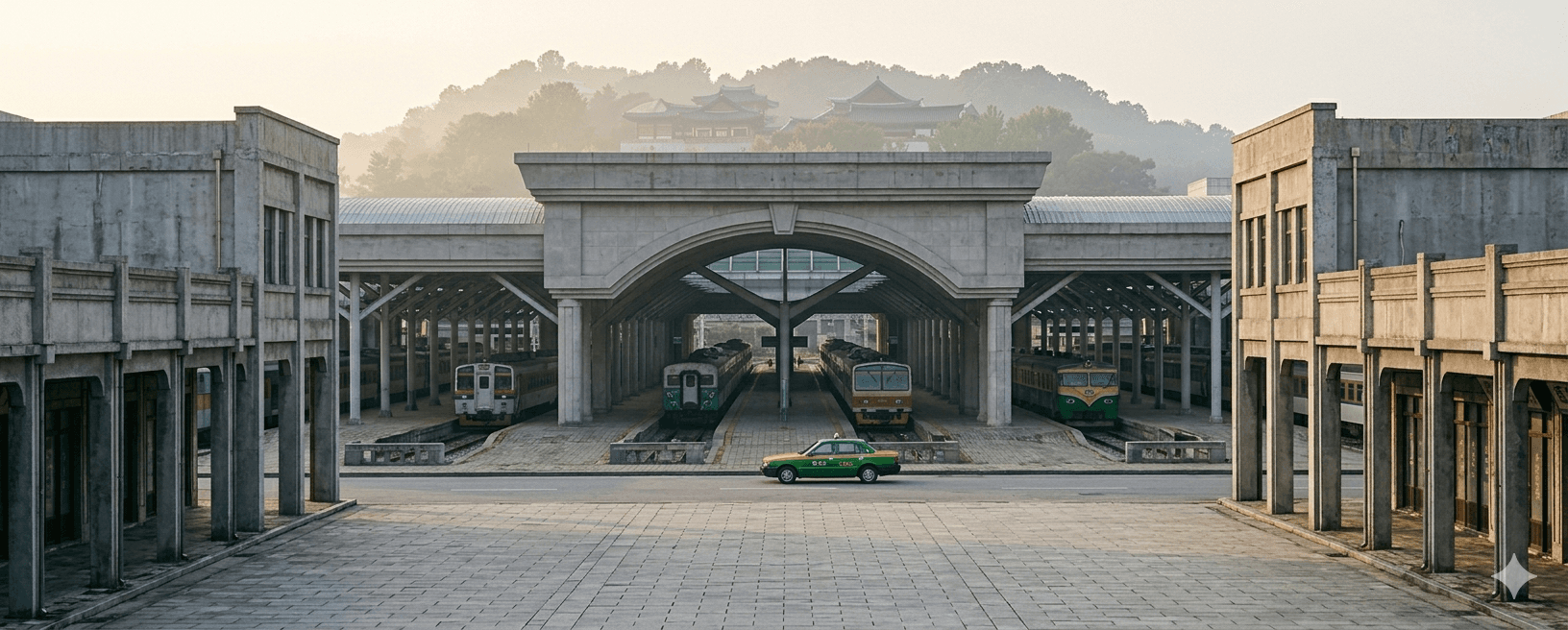
The Seoul Station sequences, depicting Man-seob's ordinary life before his fateful fare, were filmed at the actual station — one of Korea's busiest transportation hubs. Capturing Song Kang-ho's performance amid the chaos of a functioning train station required careful coordination between the production team and station authorities. Song's driving scenes were among the most technically demanding in the film. The actor performed many of his own sequences behind the wheel, and the production used a combination of practical driving footage and controlled set pieces to create the hair-raising chase sequences through Gwangju's streets. The taxi itself — a vintage Hyundai Pony — became an icon of the film, symbolizing the ordinary vehicle that carried extraordinary courage.

Filming Location Travel Guide

A Taxi Driver's locations naturally divide into a Gwangju course and a Seoul stop, and visiting them is as much a history lesson as a film pilgrimage. In Gwangju, begin at Geumnam-ro, the central boulevard where the massive protest scenes were filmed and where the real demonstrations took place in May 1980. From Geumnamno 4-ga Station (Gwangju Metro Line 1), the boulevard is a 3-minute walk — step out and you are standing on the exact ground where history unfolded. Walk the length of Geumnam-ro to absorb the memorial markers, monuments, and plaques that line the avenue.

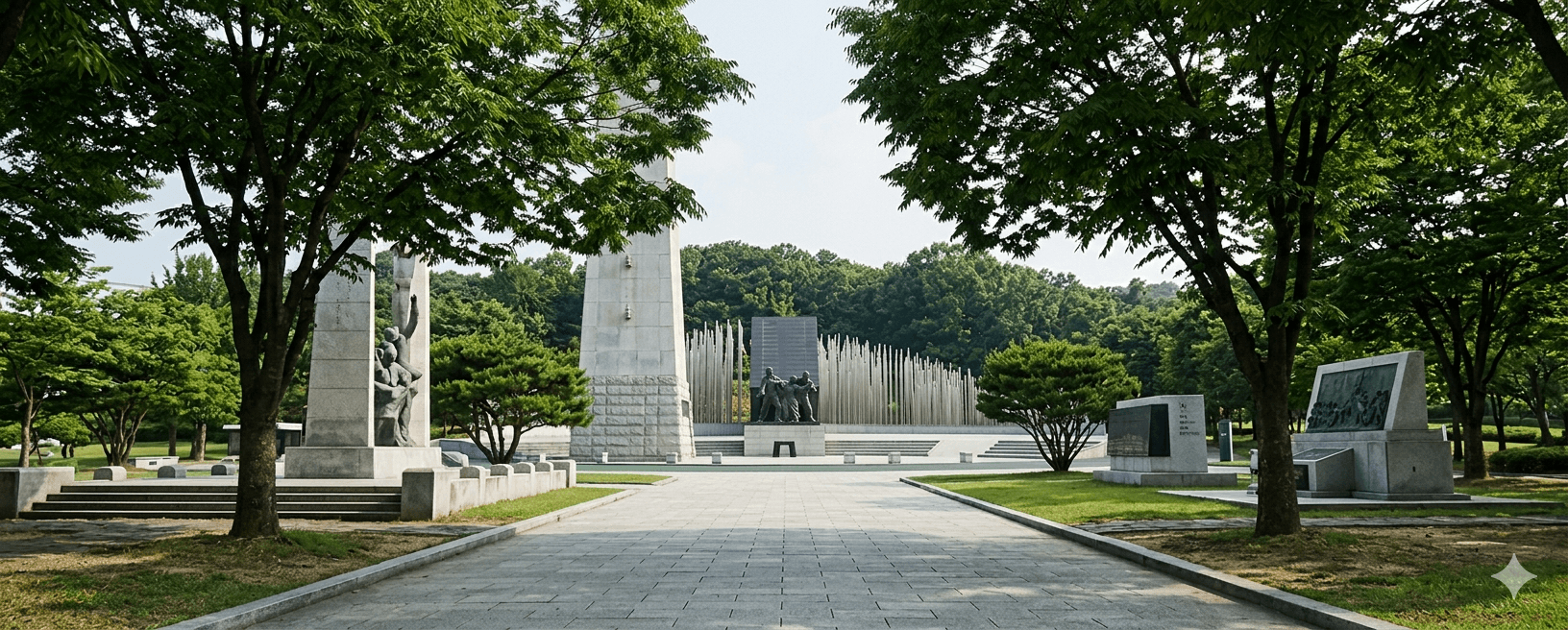
From there, continue to the May 18th Memorial Park (10-minute walk from Sangmu Station on Gwangju Metro Line 1). The park's sculpture garden, exhibition hall, and memorial spaces provide essential context for understanding the events depicted in the film. Complete the Gwangju course at the May 18th National Cemetery (accessible by bus or taxi from central Gwangju, approximately 20 minutes), where the victims of the uprising are laid to rest. The cemetery's solemn grounds and memorial hall offer a profoundly moving experience. Back in Seoul, Seoul Station (Lines 1 and 4) is where Man-seob's story begins. The station's grand facade and bustling concourse look much as they did during filming, and standing in the arrivals area, it is easy to imagine the moment a simple fare request set an extraordinary journey in motion.

Fan Pilgrimages

Visiting the locations connected to A Taxi Driver has become an important form of historical and cultural pilgrimage — one that goes far deeper than typical film tourism. Every May, around the anniversary of the May 18th Uprising, the number of visitors to Gwangju's memorial sites surges dramatically. Many come specifically because the film opened their eyes to events they had not fully understood, making the pilgrimage as much about education as it is about fandom.

Geumnam-ro is lined with monuments and informational displays that document the timeline of the uprising in both Korean and English. Walking the boulevard with the film fresh in your mind creates an extraordinarily powerful experience — the contrast between today's peaceful commercial street and the chaos depicted on screen is striking and thought-provoking. The locations have become significant destinations for history education, with Korean schools regularly organizing field trips to Gwangju's May 18th sites. On social media, hashtags like #ATaxiDriver, #518Gwangju, and #MayMovement connect visitors from around the world who share their experiences and reflect on the intersection of cinema and historical memory.

Nearby Food & Attractions

Gwangju is one of South Korea's great food cities, and the neighborhoods around the filming locations offer exceptional dining. Chungjang-ro, the city's main commercial and entertainment street, is famous for its concentration of restaurants serving tteokgalbi — Gwangju's signature grilled short rib patties, made from minced beef seasoned and shaped into flat cakes, then charcoal-grilled to caramelized perfection. This dish alone is worth the trip to Gwangju.

For a quieter cultural experience, visit Yangnim-dong, a historic neighborhood south of central Gwangju that blends Korean, Western, and Japanese architectural influences from the early 20th century. The area's missionary houses, modern art galleries, and tree-lined walking paths offer a contemplative contrast to the intense emotions of the memorial sites. Nature lovers can tackle Mudeungsan National Park, Gwangju's beloved mountain, which offers well-maintained hiking trails with panoramic views of the city — the Jeungsimsa Temple trail is particularly rewarding. Back in Seoul, the area around Seoul Station connects to the Namdaemun Market, one of Korea's oldest and largest traditional markets, where hundreds of stalls sell everything from ginseng to handmade accessories to piping-hot street food. For accommodation, Gwangju's Sangmu district offers modern hotels with easy subway access to all the key filming and memorial sites, while Seoul Station's central location makes it a natural hub for travelers combining the A Taxi Driver pilgrimage with broader exploration of the capital.

📍 Filming Locations

1

광주 5.18 기념공원

광주 서구 상무민주로 61

5.18 민주화운동의 역사를 기리는 기념공원으로, 영화의 핵심 배경이 되는 장소

광주지하철 1호선 운천역에서 도보 10분

35.1496, 126.9135

View on Map

Google Maps

Search nearby hotels
2

금남로 (시위 장면)

광주 동구 금남로

시민들이 거리로 나와 민주화를 외치는 대규모 시위 장면이 촬영된 곳

광주지하철 1호선 금남로4가역에서 도보 5분

35.1546, 126.9167

View on Map

Google Maps

Search nearby hotels
3

서울역 (출발 장면)

서울 용산구 한강대로 405

택시기사 만섭이 독일 기자 피터를 태우고 광주로 향하기 전 출발하는 장면

지하철 1호선·4호선 서울역 하차

37.5547, 126.9707

View on Map

Google Maps

Search nearby hotels

🧳 Plan Your Trip

🎬 Related Works