Your Name: Where Anime Meets Reality
Makoto Shinkai's "Your Name" ("Kimi no Na wa") arrived in 2016 and immediately shattered records, earning over 250 billion yen (approximately $380 million worldwide) to become one of the highest-grossing anime films of all time. The story follows Taki, a Tokyo high school boy, and Mitsuha, a girl from the fictional rural town of Itomori, who mysteriously begin swapping bodies in their dreams. What starts as a comedic body-swap premise deepens into a sweeping tale of love, loss, and connection across time, building to an emotionally devastating climax involving a comet, a vanished town, and two people desperately searching for someone whose name they can no longer remember. Shinkai's signature visual style — hyperrealistic cityscapes rendered with an almost painterly attention to light, weather, and atmosphere — turned everyday Tokyo streets into breathtaking cinematic canvases. The film's success transformed Shinkai from a respected indie auteur into a household name and launched a wave of anime pilgrimage tourism that continues to this day.
Reality vs. Animation: How Faithful Are the Real Locations?
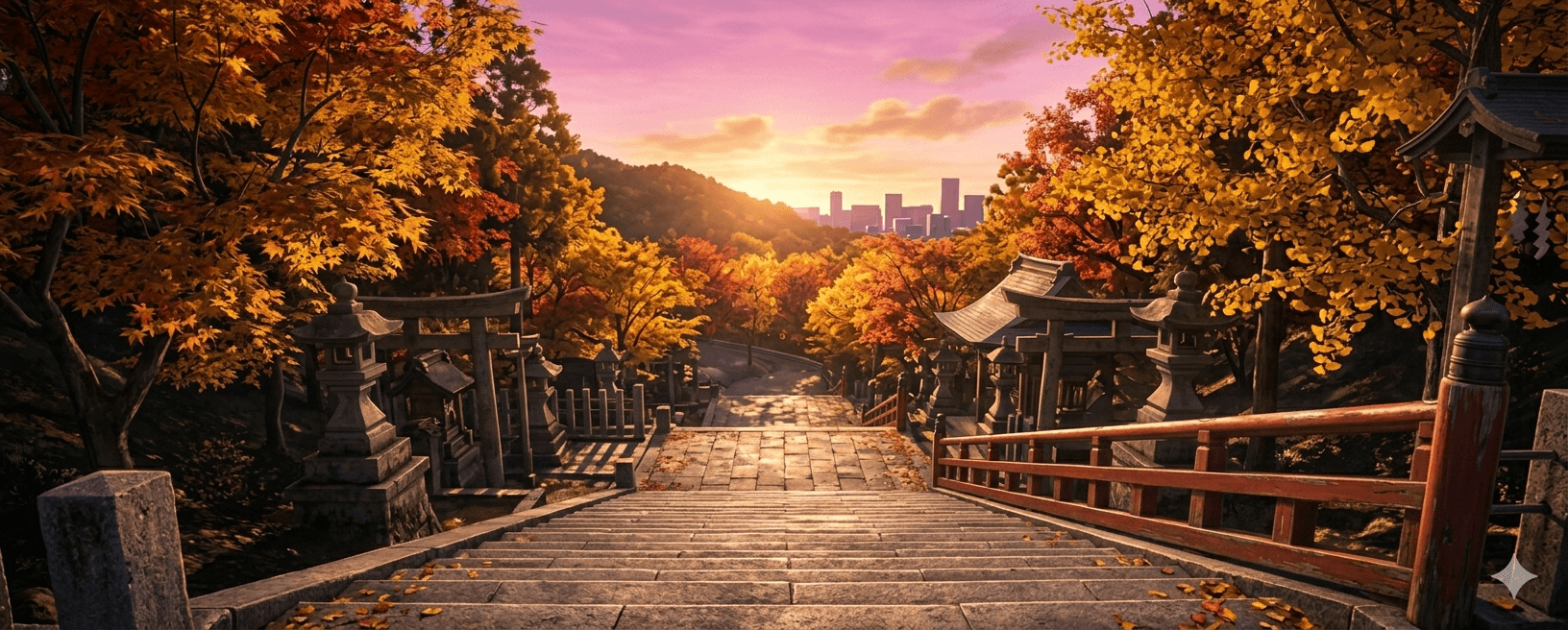
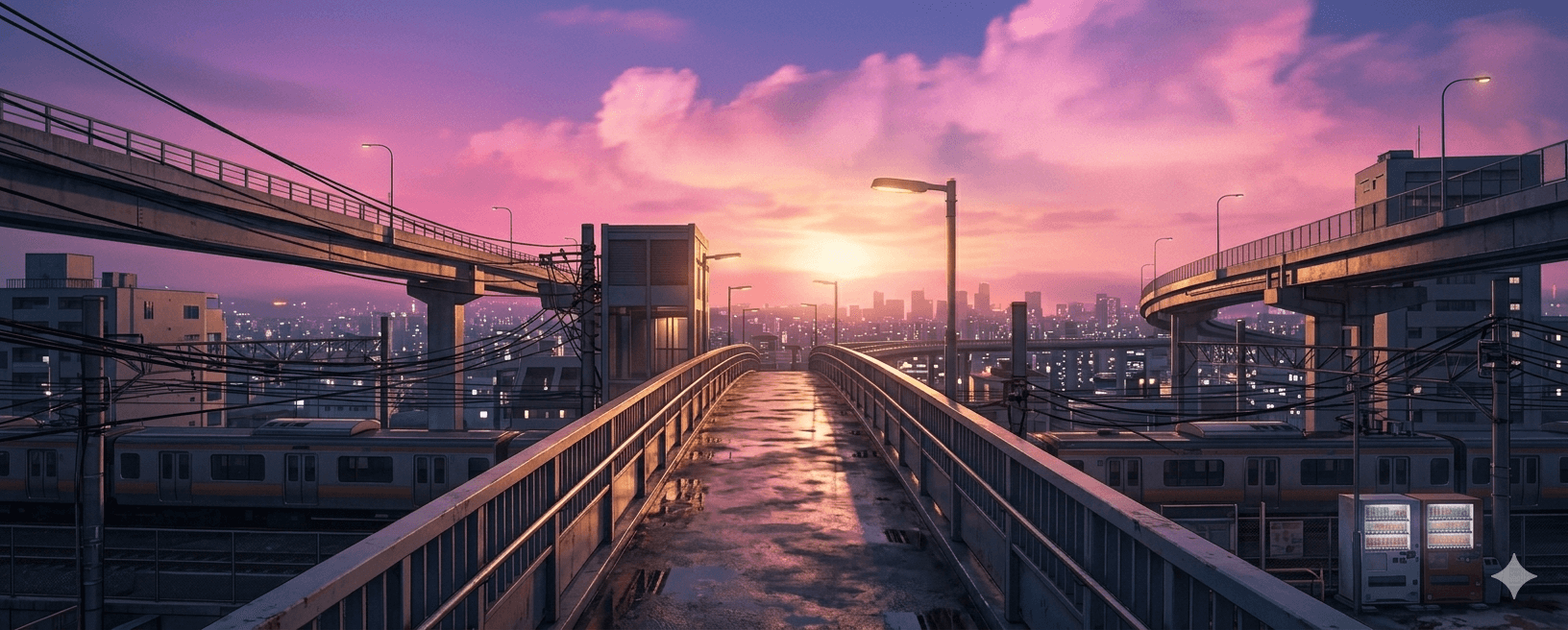
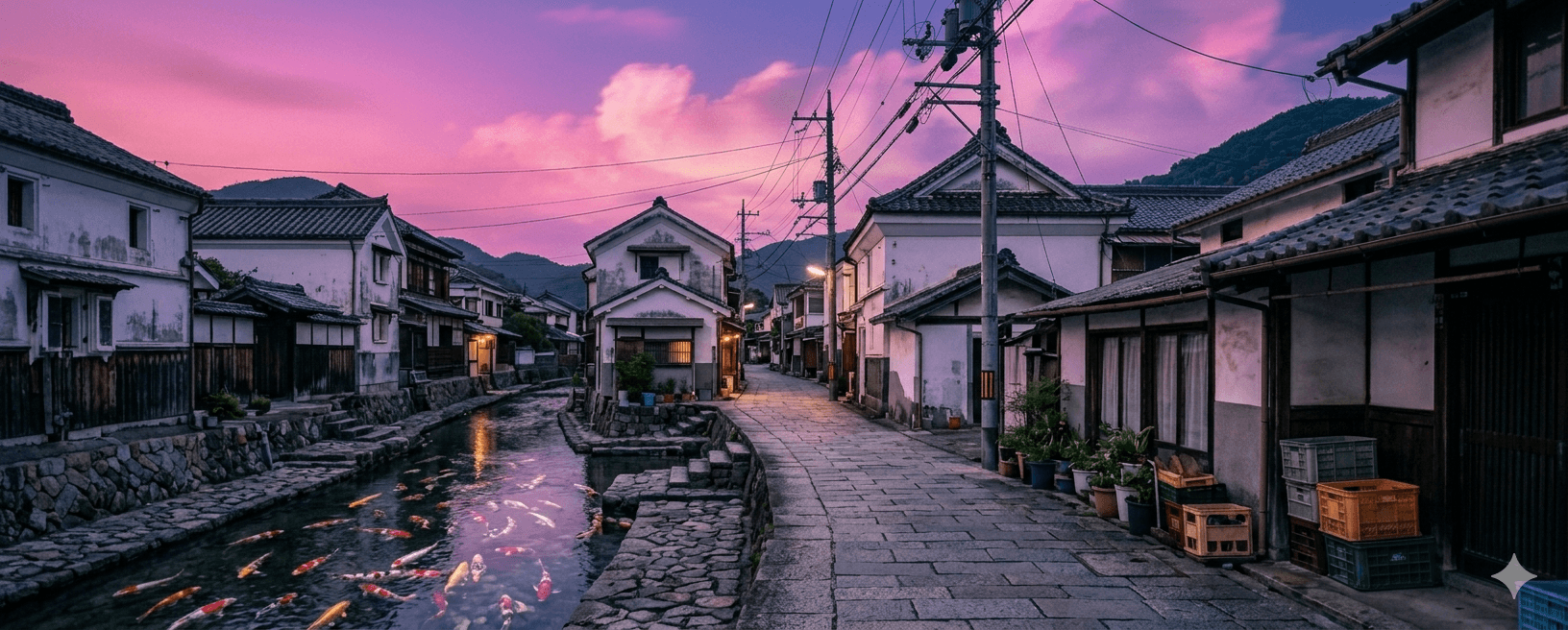
What makes "Your Name" remarkable for location hunters is Shinkai's near-photographic accuracy. The Suga Shrine staircase in Yotsuya is the film's most iconic spot — the exact angle, the railings, the surrounding buildings, even the pattern of light falling through the trees are reproduced in the animation with extraordinary fidelity. Fans who climb the stairs and turn to look back will find themselves standing in a frame they have seen a hundred times on screen. The Shinano-machi Station overpass where Taki walks to school captures the mundane beauty of a Tokyo commute — the JR tracks below, the sky above, the distant skyline — elevated by Shinkai's golden-hour lighting into something magical. On the rural side, Hida-Furukawa in Gifu Prefecture served as the primary motif for Mitsuha's town of Itomori. While Itomori is a fictional composite, Hida-Furukawa's train station, sake brewery, Keta Wakamiya Shrine, and the surrounding rice paddies all appear in recognizable form in the film. The town's white-walled storehouses lining a carp-filled canal are especially faithful to their animated counterparts. One important note: the Suga Shrine (not to be confused with the much larger Meiji Shrine) is a small, quiet neighborhood shrine, so visitors should be respectful of the peaceful atmosphere and the local residents who worship there.
Pilgrimage Guide: Tokyo Half-Day and Hida Day Trip
The Tokyo locations can be covered in a comfortable half-day walking tour. Begin at JR Shinano-machi Station on the Chuo-Sobu Line — the station itself is a pilgrimage point, and the pedestrian overpass is directly adjacent. From here, walk about five minutes northeast to Suga Shrine to photograph the legendary staircase. Continue through the quiet residential streets of the Yotsuya area to reach the pedestrian bridge near Yotsuya-sanchome Station (Tokyo Metro Marunouchi Line), another location featured in the film. The entire Tokyo route covers roughly two kilometers and can be completed in about two hours, including photo stops. For the Hida-Furukawa pilgrimage, plan a separate full-day trip. From Tokyo Station or Shinjuku, take the JR Limited Express Azusa to Matsumoto (about 2 hours 30 minutes), then transfer to the JR Shinano to Nagoya and the JR Hida limited express to Hida-Furukawa — or, more directly, take the Tokaido Shinkansen to Nagoya (1 hour 40 minutes) and transfer to the JR Hida limited express (about 2 hours 40 minutes). In Hida-Furukawa, the pilgrimage sites are all walkable from the station: the carp canal, the bus library (which resembles Itomori's library), and the surrounding mountain views. Budget at least three to four hours in town to enjoy the scenery at a relaxed pace.
Fan Community: A Global Phenomenon
"Your Name" created one of the most active anime pilgrimage communities in history. In the years since the film's release, Suga Shrine has reported that annual visitors increased tenfold, with the shrine adapting by offering "Your Name"-themed ema (wooden prayer plaques) on which fans write wishes and draw characters from the film. The small staircase, once known only to locals, now sees a steady stream of visitors from South Korea, China, Taiwan, Thailand, and beyond, many traveling specifically for this single photo opportunity. In Hida-Furukawa, the local tourism board embraced the phenomenon by publishing pilgrimage maps and installing multilingual signage at key comparison points. Local businesses sell "Your Name" themed souvenirs, and the town's sake breweries offer tastings of the rice wine that inspired Mitsuha's family shrine offering, kuchikamizake. Online fan communities maintain detailed comparison galleries — matching specific animation frames to photographs taken at the exact same angle and time of day — and pilgrimage reports are among the most popular content categories on anime travel blogs. The film's success also directly inspired the concept of seichi junrei (sacred place pilgrimage) becoming a mainstream tourism category in Japan, influencing government tourism campaigns and local economic development strategies.
Food and Nearby Attractions
In the Shinjuku area near the Tokyo pilgrimage sites, the dining options are virtually limitless. For a quintessentially Tokyo experience, visit one of Shinjuku's famous ramen alleys — clusters of tiny noodle shops where you order from a vending machine and slurp your bowl at a counter seat. Fuunji, near the south exit of Shinjuku Station, is legendary for its rich tsukemen (dipping noodles). After your staircase photo at Suga Shrine, the surrounding Yotsuya neighborhood offers excellent kissaten (traditional Japanese coffee shops) where you can rest over a pour-over coffee and a thick slice of toast, just as Taki might have done on a school morning. In Hida-Furukawa, the star attraction is Hida beef, a premium wagyu variety that rivals Kobe and Matsusaka in marbling and flavor. Several restaurants near the station serve Hida beef in various preparations — sushi, steak, sukiyaki, and grilled skewers sold at street stalls. The town also produces excellent sake, and a tasting at the historic Watanabe Sake Brewery (which partially inspired locations in the film) is a highlight. Beyond food, the nearby city of Takayama offers one of Japan's best-preserved Edo-period old towns, morning markets, and the spectacular Takayama Festival (held in April and October), making it easy to combine a "Your Name" pilgrimage with a broader exploration of the stunning Hida region.