RealScene
The First Slam Dunk
Anime

The First Slam Dunk

Visit the real locations from Slam Dunk, from the iconic Kamakura crossing to the Shonan coast.

December 3, 2022 Takehiko Inoue Japan 3 Published: March 1, 2025
AnimationSportsDrama

Slam Dunk: A Pilgrimage to Basketball's Sacred Ground

Inoue Takehiko's "Slam Dunk" is one of the most influential sports manga ever created, serialized in Weekly Shonen Jump from 1990 to 1996, selling over 170 million copies, and single-handedly igniting a basketball boom across Asia that persists to this day. The story follows Sakuragi Hanamichi, a hot-tempered delinquent who joins Shohoku High School's basketball team to impress the girl he likes, only to discover a genuine and transformative passion for the sport. After decades of fan demand, creator Inoue himself directed the 2022 theatrical film "The First Slam Dunk", which retold the legendary Shohoku vs. Sannoh match through the eyes of point guard Miyagi Ryota and earned over $270 million worldwide. The film reignited global enthusiasm for the franchise, sending a new generation of fans — alongside nostalgic veterans — flocking to the Kamakura and Shonan coastal area of Kanagawa Prefecture, the real-world setting that gave Slam Dunk its sun-drenched, oceanside identity.

Reality vs. Animation: The Kamakurakokomae Crossing and Beyond

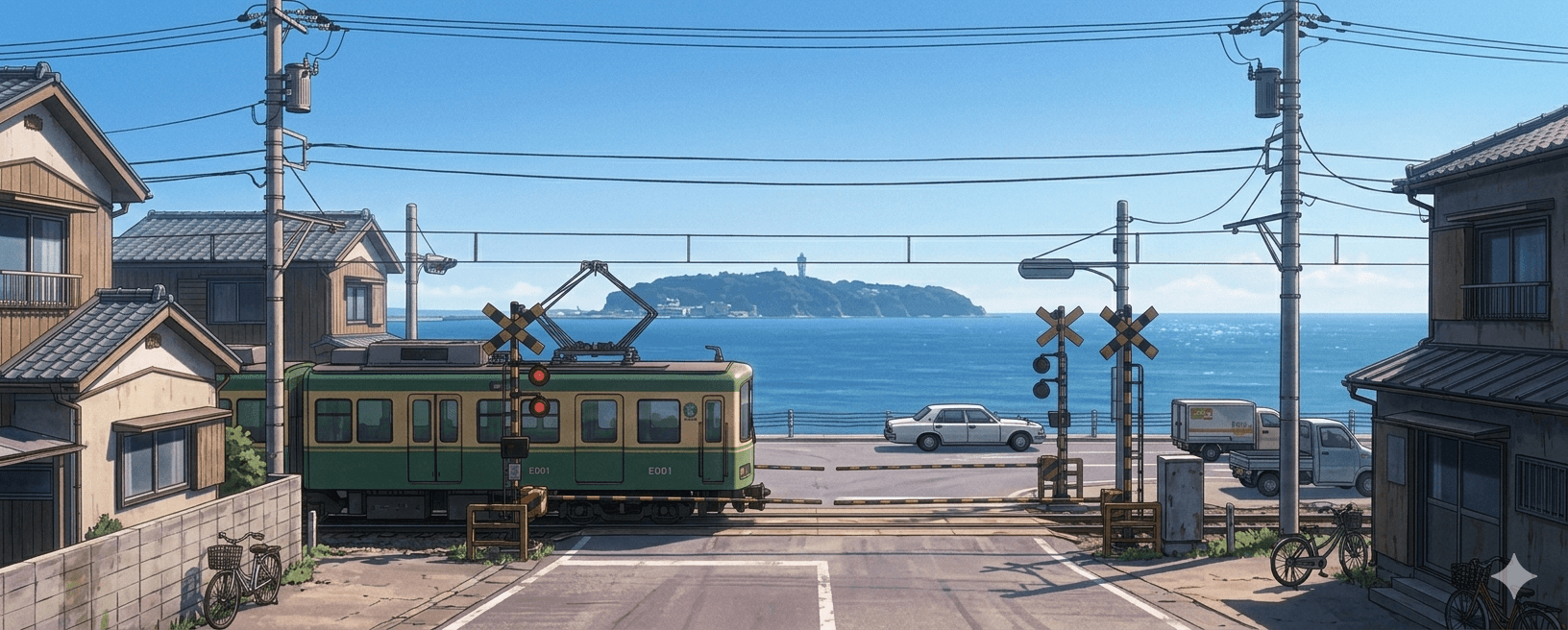
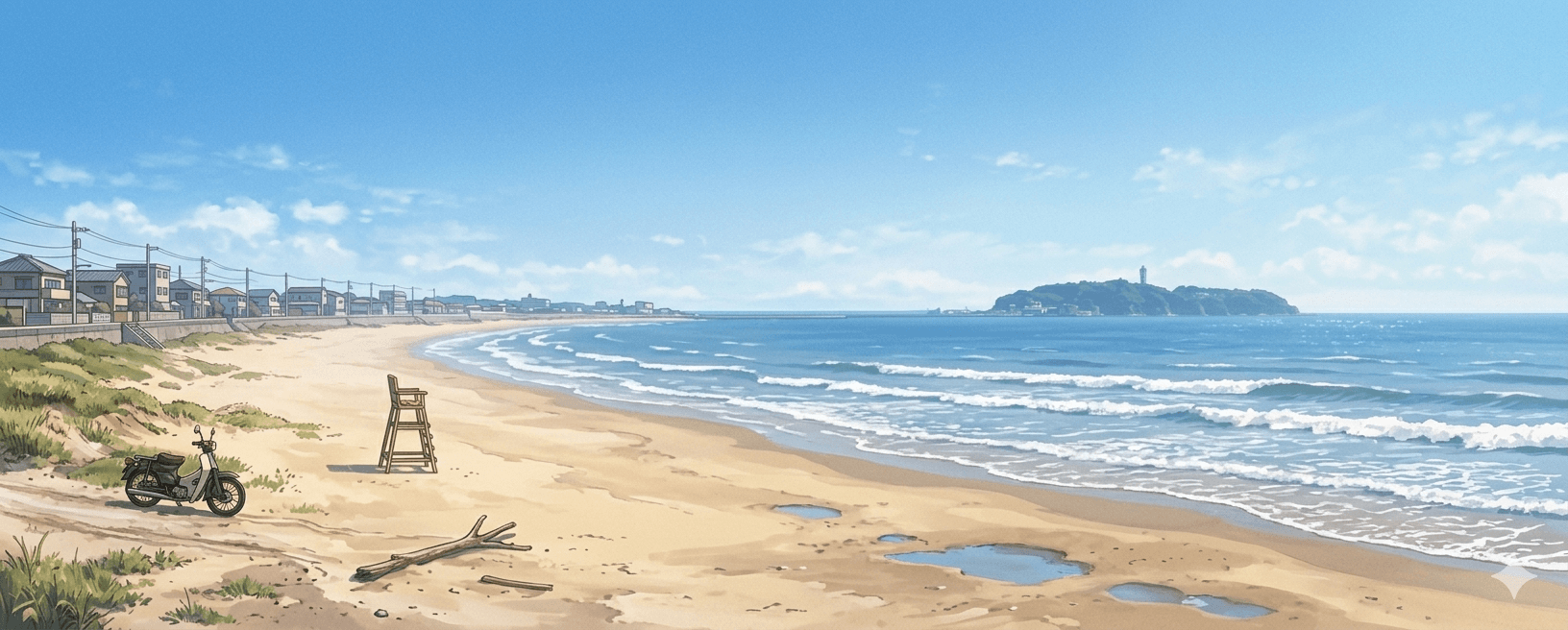
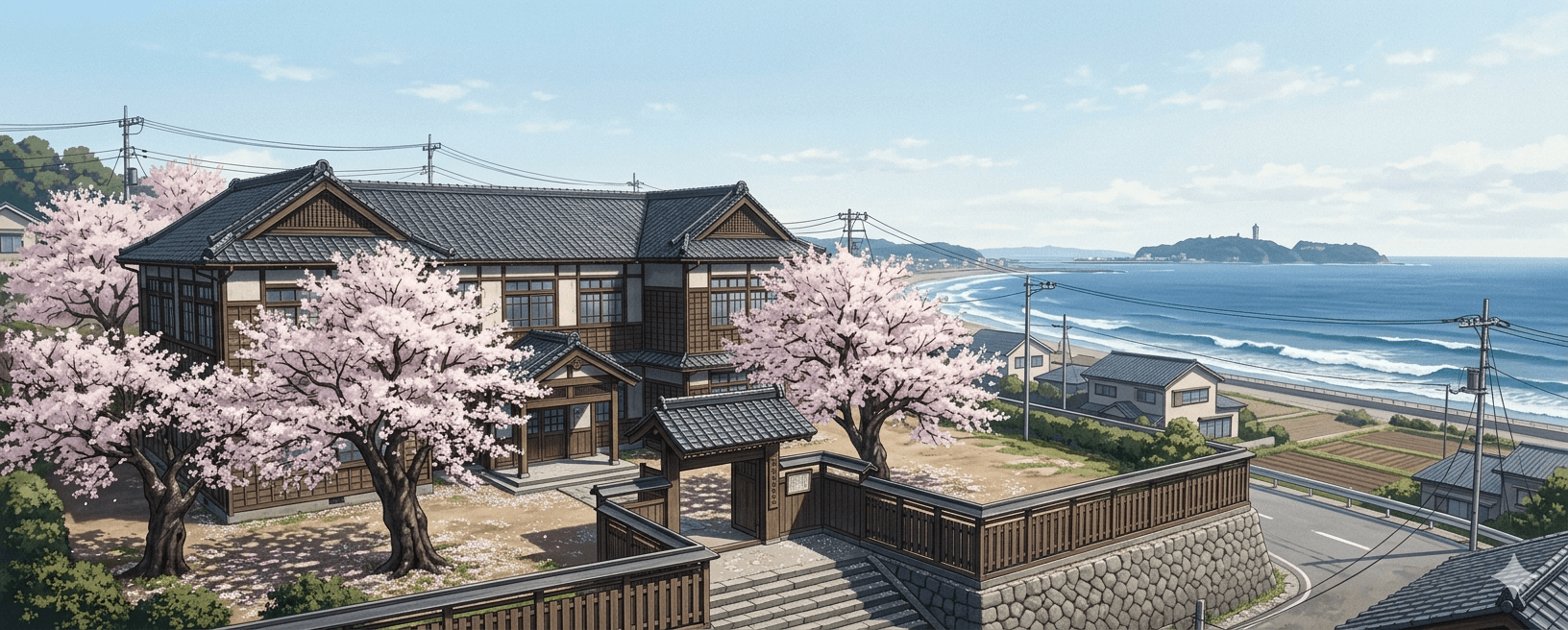
The railroad crossing near Kamakurakokomae Station is the undisputed crown jewel of Slam Dunk pilgrimage. This unassuming crossing, where the single-track Enoshima Electric Railway (Enoden) passes with the Pacific Ocean glittering in the background, was immortalized in the TV anime's opening sequence — the moment when Sakuragi and Haruko lock eyes across the tracks as a green train rolls through the frame. The real crossing matches the animation with uncanny precision: the downward slope of the road, the wooden crossing gates, the view of the sea and the distant silhouette of Enoshima Island are all exactly as depicted. Beyond the crossing, Kamakura High School, perched on a hill a five-minute walk away, served as the model for Shohoku High — its gate, its position relative to the coast, and the slope leading up to it are all recognizable from the manga. The Shonan coastline itself, with its long sandy beaches, surfers, and views of Mount Fuji on clear days, forms the atmospheric backdrop of the entire series, appearing in countless panels where characters jog, reflect, or stare out at the horizon.

Pilgrimage Guide: Tokyo to Kamakura in One Day

Getting to Kamakura from Tokyo is simple and scenic. From Tokyo Station or Shinjuku Station, take the JR Yokosuka Line or JR Shonan-Shinjuku Line to Kamakura Station — the ride takes approximately one hour and costs around 950 yen. At Kamakura Station, transfer to the Enoshima Electric Railway (Enoden), a charming single-car train that rattles along the coast, passing through residential neighborhoods and offering ocean views from the left-side windows. The Enoden One-Day Pass (800 yen) is highly recommended, as it allows unlimited rides and you will want to hop on and off at multiple stops. Ride to Kamakurakokomae Station (about 20 minutes from Kamakura) for the famous crossing — the station has a single platform and the crossing is immediately visible upon exiting. Continue on the Enoden to Enoshima Station for the island, or ride the full line to its terminus at Fujisawa Station. For the crossing visit, early morning (before 9 AM) or late afternoon offers the best light and the smallest crowds. The warm glow of the setting sun over the ocean creates the exact atmosphere captured in the anime opening. On weekends and holidays, the crossing can become extremely crowded with visitors, so patience and courtesy are essential.

Fan Community: A Crossing That Unites Asia

The Kamakurakokomae crossing draws hundreds of visitors daily, with peaks during Japanese holidays, Chinese New Year, and Korean school vacation periods. The site has become a remarkable example of pan-Asian cultural connection — on any given afternoon, you will hear Japanese, Korean, Mandarin, Cantonese, and a half-dozen Southeast Asian languages as fans wait their turn to pose at the crossing with the ocean behind them. The phenomenon is so significant that local authorities and the Kamakura city government have implemented a safety and etiquette campaign, with multilingual signs asking visitors to stay on the sidewalk, not to block traffic, and to refrain from stepping onto the road or tracks. Volunteer guides are sometimes stationed at the crossing during peak periods to help manage the flow of visitors. Online, the crossing is one of the most photographed anime pilgrimage spots in the world, with dedicated Instagram and TikTok hashtags accumulating millions of posts. The 2022 film amplified the phenomenon further — in the months following its release, Enoden reported record passenger numbers on the Kamakura line, and several restaurants near the crossing added Slam Dunk-themed menu items and photo displays. For many Asian visitors, standing at this crossing is not merely a tourist activity but an emotional experience connected to childhood memories of reading the manga or watching the anime with family and friends.

Food and Nearby Attractions

The Kamakura and Enoshima area is a food lover's paradise. At Kamakurakokomae and the nearby stations, small restaurants serve shirasu-don — bowls of steaming rice topped with tiny translucent whitebait fish (shirasu) caught fresh that morning from Sagami Bay. The dish is a Shonan specialty available nowhere else in such quality, served raw (nama-shirasu) in season (roughly March through December) or lightly boiled. On Enoshima Island, accessible by a pedestrian bridge from the mainland, seafood restaurants line the approach to the Enoshima Shrine, offering grilled sazae (turban shell), takosenbei (octopus crackers pressed flat in a giant iron), and shaved ice in summer. The island itself rewards exploration — climb to the Sea Candle observation tower for panoramic views, walk through the tropical Samuel Cocking Garden, and descend to the Iwaya Caves at the island's far tip, where ocean waves crash into sea-carved grottos. Back in central Kamakura, the town's cultural riches include the Great Buddha (Kamakura Daibutsu) at Kotoku-in Temple, a 13-meter bronze statue that has sat in open air since a tsunami destroyed its surrounding hall in the fifteenth century. The approach street to Tsurugaoka Hachimangu Shrine is lined with souvenir shops, cafes, and stalls selling Kamakura-bori lacquerware. Combining the Slam Dunk pilgrimage with Kamakura's temples, Enoshima's seafood, and the Shonan coast's breezy atmosphere makes for one of the best day trips from Tokyo — a journey that satisfies both the sports anime fan and the general traveler alike.

📍 Filming Locations

1

가마쿠라코코마에역 건널목 (오프닝 장면)

가나가와현 가마쿠라시 고시고에 1

TV 애니메이션 오프닝에서 사쿠라기와 하루코가 마주보는 전설적인 건널목 장면의 배경지

에노시마 전철 가마쿠라코코마에역

35.3056, 139.4961

View on Map

Google Maps

Search nearby hotels
2

쇼난 해안 (해변 장면)

가나가와현 후지사와시 가타세해안

작품 곳곳에 등장하는 쇼난 해안의 푸른 바다와 에노시마가 보이는 해변 풍경

에노시마 전철 쇼난카이간코엔마에역

35.3102, 139.4889

View on Map

Google Maps

Search nearby hotels
3

가마쿠라 고등학교 (능남고 모티브)

가나가와현 가마쿠라시 시치리가하마 2-21-1

주인공들이 다니는 능남고등학교의 모티브가 된 실제 학교로, 바다가 보이는 언덕 위에 위치

에노시마 전철 가마쿠라코코마에역에서 도보 5분

35.3088, 139.4976

View on Map

Google Maps

Search nearby hotels

🧳 Plan Your Trip

🎬 Related Works