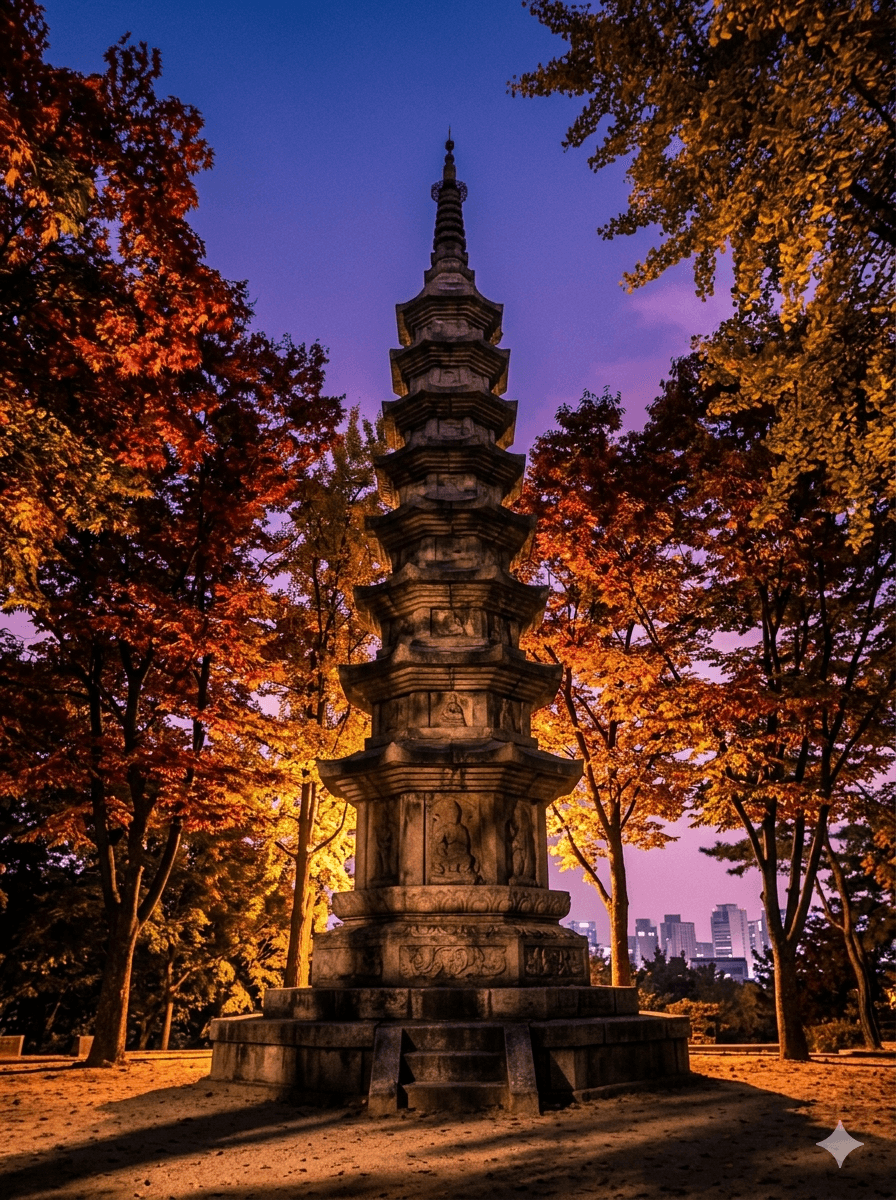
Squid Game: Where Reality Meets the Game
When Squid Game premiered on Netflix on September 17, 2021, no one — not even its creator — could have predicted what would follow. Within weeks, it had shattered every streaming record in existence, amassing a staggering 1.65 billion viewing hours in its first 28 days to become the most-watched Netflix series of all time. The show went on to earn six Primetime Emmy Awards, with star Lee Jung-jae making history as the first actor from a non-English-language series to win Outstanding Lead Actor in a Drama Series. Director Hwang Dong-hyuk had spent over ten years developing the concept, drawing on his own memories of Korean children's games and his observations about widening economic inequality. Produced on a budget of approximately $25.3 million for nine episodes, Squid Game delivered a return on investment that defied belief, spawning a global cultural phenomenon that touched everything from Halloween costumes to stock markets to playground games.
The story follows Seong Gi-hun, a divorced, debt-ridden gambler who accepts a mysterious invitation to compete in a series of children's games for a prize of 45.6 billion won. Alongside 455 other desperate players, he discovers that losing means death. What elevates Squid Game beyond a survival thriller is its unflinching commentary on capitalism, desperation, and the human capacity for both cruelty and compassion. The show resonated so deeply across cultures because its core message — that systems designed to create winners inevitably destroy everyone else — is universally understood.
Behind the Scenes
The production's choice of real-world locations was as deliberate as its game design. The towering Young-hee doll — the motion-sensing giant that presides over the Red Light, Green Light game — was designed by combining elements of traditional Korean children's textbook illustrations with an uncanny, oversized scale meant to trigger childhood nostalgia and existential dread simultaneously. The game sets themselves were constructed at Daejanggeum Park in Yongin, a massive studio complex where production designer Chae Kyung-sun built the pastel-colored stairways, dormitories, and arenas that became the show's visual signature.
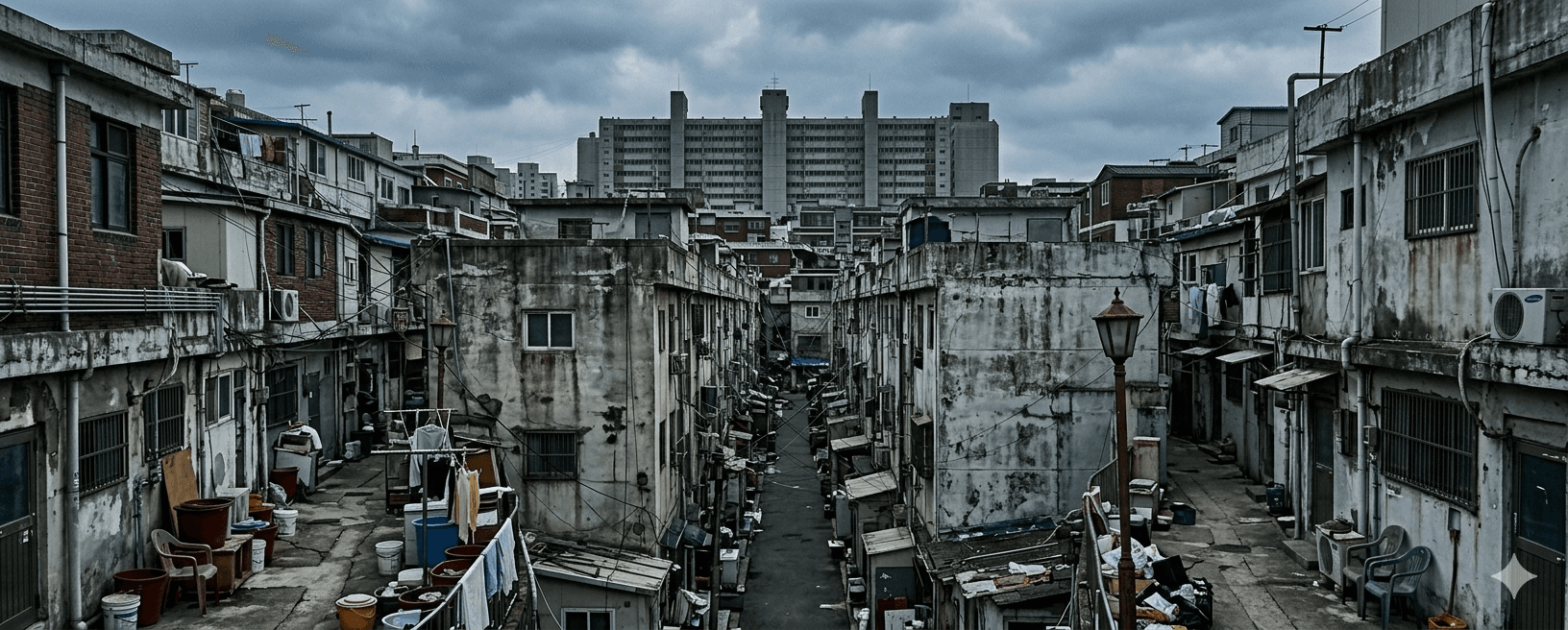
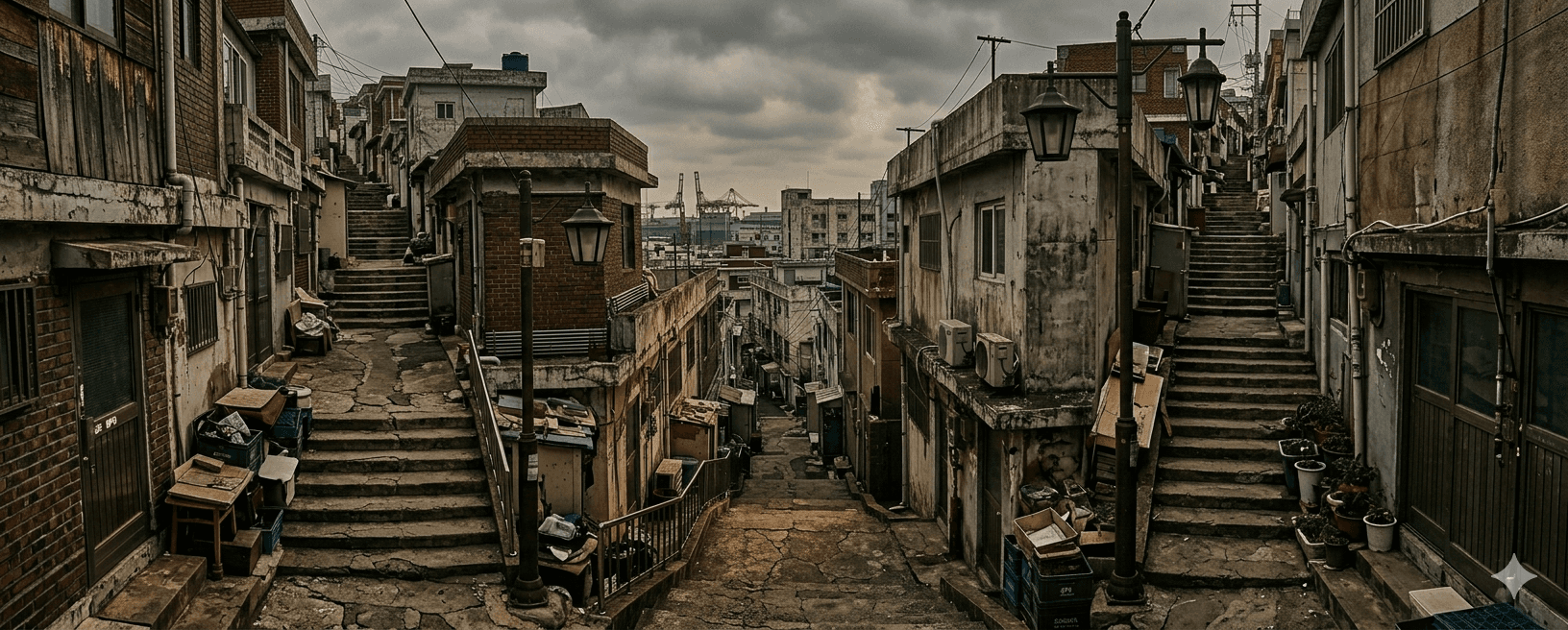
For the real-world portions of the story, the selection of Hwapyeong-dong in Incheon was critical. This hillside neighborhood was an actual redevelopment zone — a community in the process of being demolished and rebuilt — which gave Gi-hun's world an authenticity that a studio set could never replicate. The crumbling walls, peeling paint, and abandoned storefronts were not set dressing; they were the real fabric of a neighborhood in transition. Similarly, the Seongbuk-dong stairs in Seoul were chosen for their symbolic power: the steep, seemingly endless climb mirrors the characters' futile struggle against a system stacked against them.
Filming Location Travel Guide
A rewarding half-day filming location tour connects three key Squid Game sites across the greater Seoul metropolitan area. Begin in Incheon at Hwapyeong-dong, Gi-hun's neighborhood. From Dongincheon Station on the Suin-Bundang Line, it is approximately a 15-minute walk uphill into the narrow alleyways of this hillside community. The area retains much of the weathered character seen on screen, though ongoing redevelopment means the landscape continues to change — visit sooner rather than later to see it while recognizable landmarks remain.
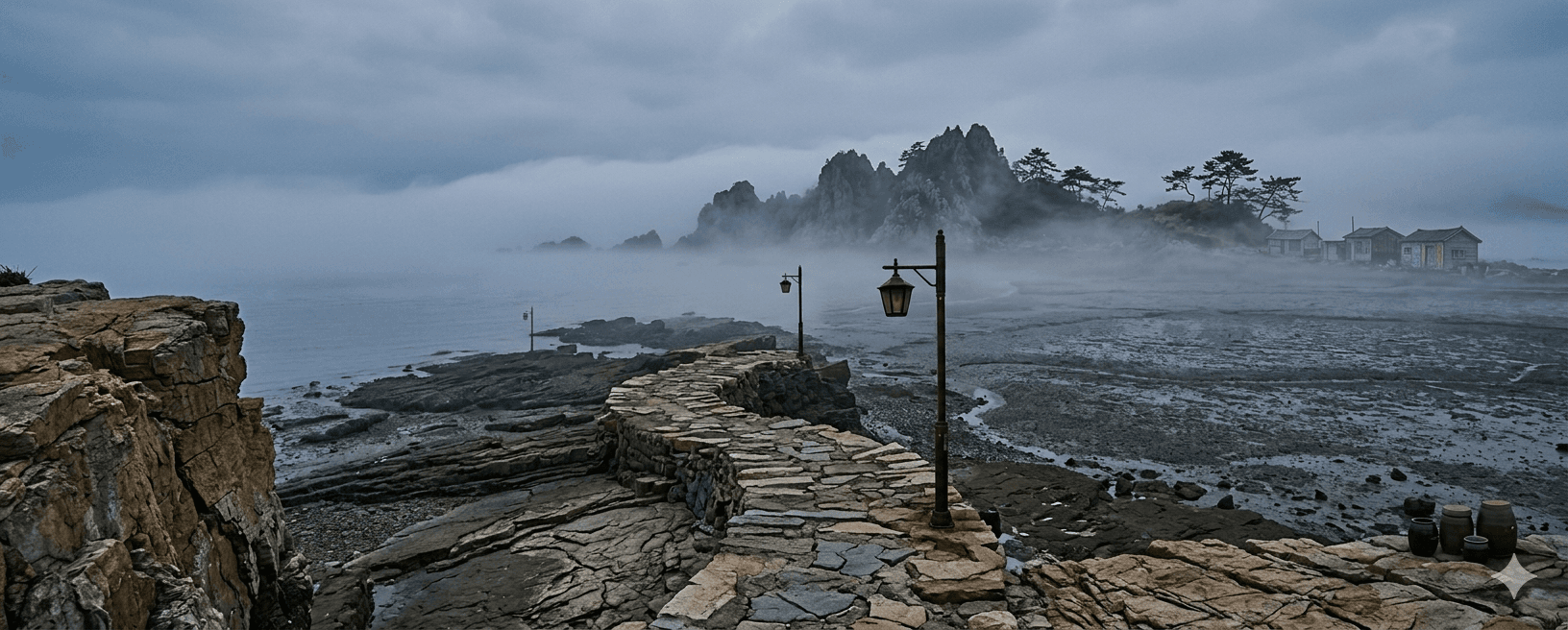
Next, head to central Seoul for the Seongbuk-dong Stairs. Take Subway Line 4 to Hansung University Station, then walk about 10 minutes northeast into the Seongbuk-dong residential area. The steep stairway, flanked by low walls and rooftops, provides an immediately recognizable backdrop for fans of the series. Finally, for those with extra time, Daebudo Island offers a completely different atmosphere. From Oido Station (Line 4 terminus), catch a local bus for approximately 30 minutes to reach this coastal island known for its tidal flats and windswept beaches. The island's remote, desolate quality is what made it ideal for the game facility's exterior shots. The complete route works well as a half-day course if you start early, or can be split across two leisurely outings.
Fan Pilgrimages
The global fandom that Squid Game ignited has turned its Korean filming locations into genuine international pilgrimage sites. Visitors from dozens of countries make the journey to Hwapyeong-dong, where it is common to hear Japanese, English, Spanish, and Thai spoken in the narrow alleys. Entrepreneurial locals and nearby businesses have responded to demand: dalgona candy cafes — where visitors can try their hand at the honeycomb cookie challenge from Episode 3 — have popped up throughout Incheon and Seoul, becoming attractions in their own right.
An important note for visitors: because Hwapyeong-dong is an active redevelopment area, some buildings may be fenced off or under construction. Respect all posted signs, avoid entering restricted zones, and be mindful that some residents still live in the neighborhood. On social media, the locations generate enormous engagement under hashtags like #SquidGameLocation, #SquidGameStairs, and #OjingeoGame (the Korean title). Tour operators in Seoul now offer dedicated Squid Game routes that combine filming locations with dalgona-making workshops and themed photo opportunities.
Nearby Food & Attractions
Each filming location sits near excellent options for food and exploration. From Hwapyeong-dong, it is a short trip to Incheon's Chinatown, Korea's oldest and most vibrant Chinese quarter, where you can feast on jajangmyeon (black bean noodles) at century-old restaurants. Adjacent to Chinatown, Sinpo International Market is a paradise of Korean street food — try the famous dak-gangjeong (sweet crispy fried chicken) that draws long lines on weekends.
Near the Seongbuk-dong stairs, the surrounding neighborhood is home to several atmospheric hanok-style cafes where traditional Korean architecture meets specialty coffee. The area also borders Seongbuk-dong's historic hillside, dotted with art galleries and quiet walking paths. On Daebudo Island, the coastal trails and tidal flat walkways offer spectacular scenery, particularly at low tide when the vast mudflats stretch to the horizon. Local seafood restaurants along the waterfront serve freshly caught clams and grilled shellfish. For accommodation, Incheon's Jung-gu hotel district near Chinatown offers convenient access to the Hwapyeong-dong area, while Seoul-based visitors will find abundant lodging options near any major subway station.