Reply 1988: A Love Letter to Neighborhood and Nostalgia
Reply 1988 (2015-2016) is the third and most beloved installment of tvN's "Reply" franchise, directed by Shin Won-ho. Set in the Ssangmun-dong neighborhood of northern Seoul during the historic year South Korea hosted the Summer Olympics, the drama follows five families packed into a single alley and their teenage children navigating the confusion of first love, the loyalty of lifelong friendships, and the bittersweet process of growing up. The ensemble cast — Lee Hye-ri as the irrepressible Deok-sun, Park Bo-gum as the quiet baduk prodigy Choi Taek, Ryu Jun-yeol as the brooding Jung-hwan, Go Kyung-pyo as the lovable Sun-woo, and Lee Dong-hwi as the goofy Dong-ryong — delivered performances so natural that viewers felt as if they were watching their own neighbors. The series peaked at an audience share of 18.8%, a record for Korean cable television at the time, and its finale sparked a nationwide debate over which boy Deok-sun would ultimately choose. More than a romance, the drama is a meditation on the ordinary magic of neighborhood life: sharing food over the fence, gathering around one television for the Olympic opening ceremony, and learning that the people next door can become your family.
Behind the Scenes
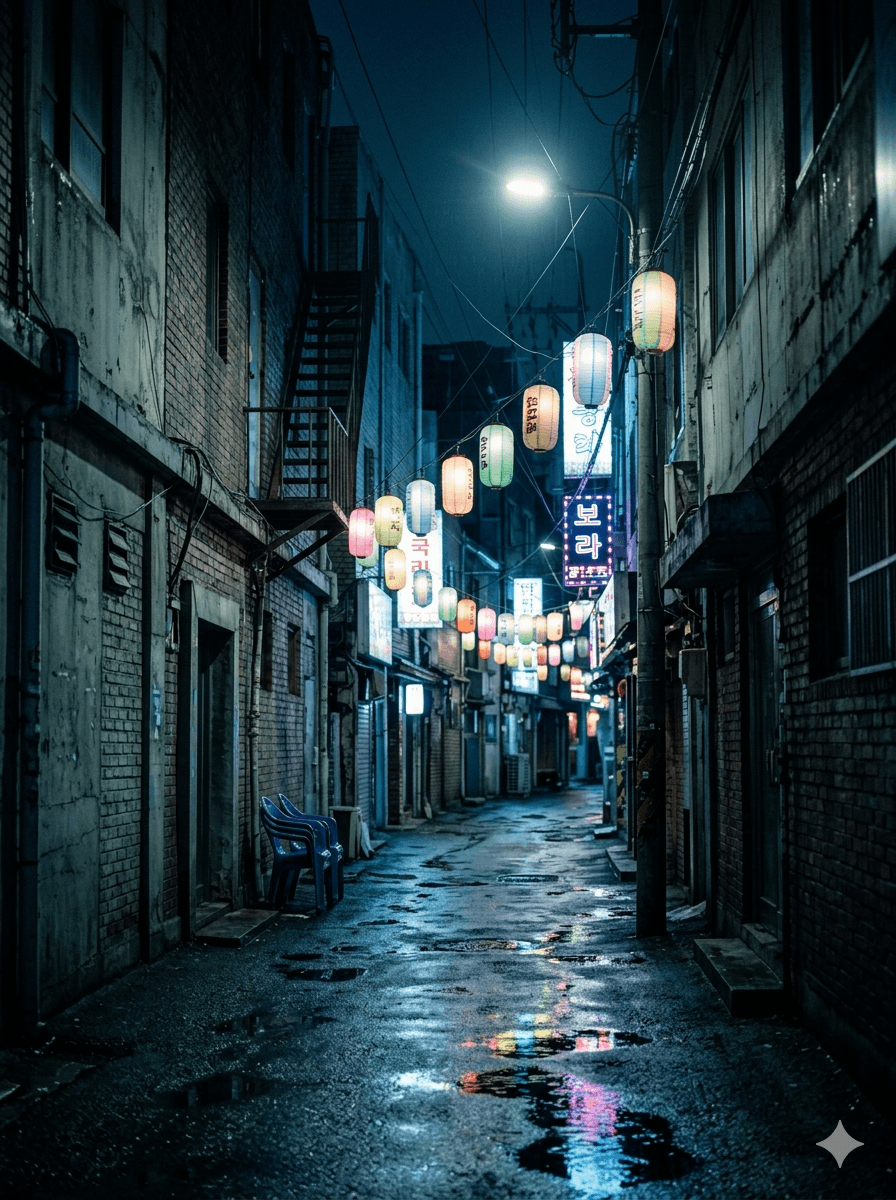
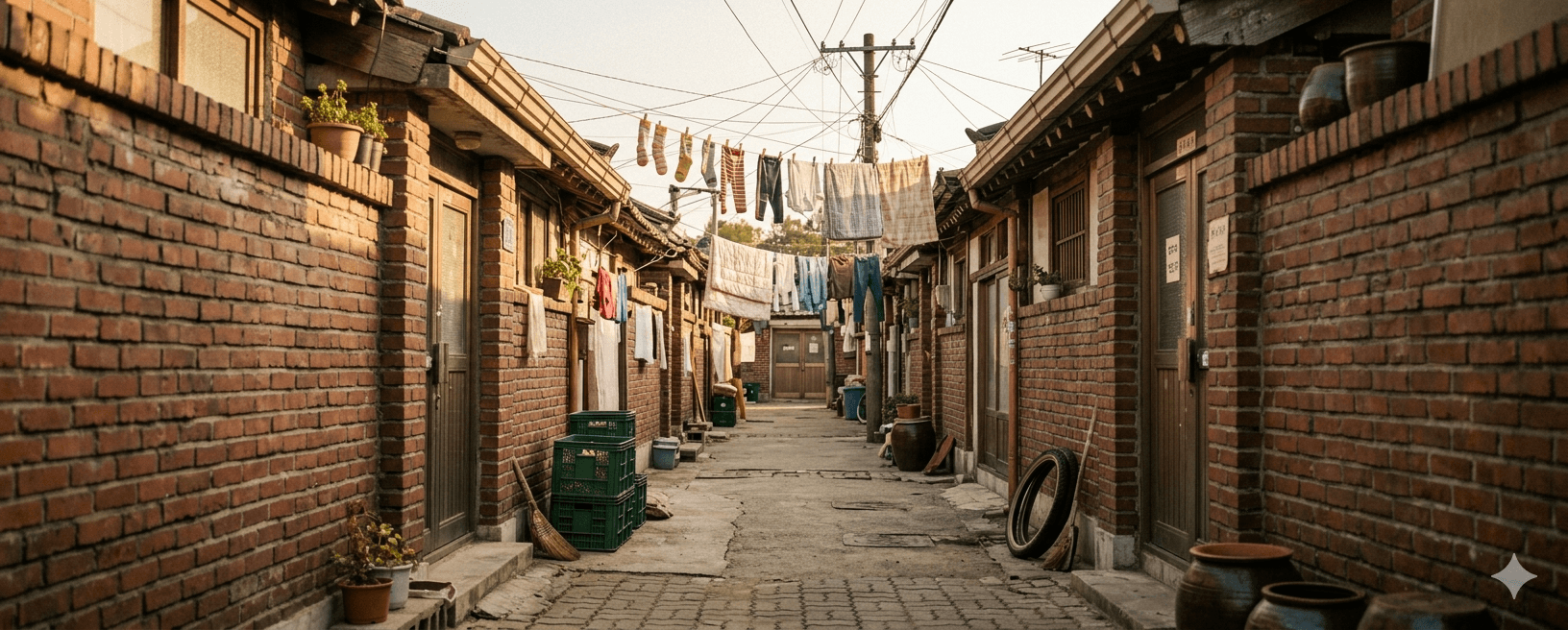
Director Shin Won-ho is famous for his obsessive attention to period detail. The production team sourced authentic 1988-era snacks, school uniforms, cassette tapes, and even vintage CRT televisions to dress every corner of the set. The five households' interiors were built as standing sets in a Goyang studio, connected to an outdoor alley set that recreated the tight, winding lanes of a real Seoul residential neighborhood. Costume designer Kwon Yoo-jin scoured flea markets for months, collecting patterned vests, baggy jeans, and padded jackets that captured the distinct fashion sensibility of the late 1980s. The iconic scene in which the five friends crowd together to watch the Seoul Olympics opening ceremony required careful licensing of archival broadcast footage, and the cast rehearsed their reactions dozens of times to get the spontaneous laughter and tears just right. Music director Kim Tae-sung curated a soundtrack heavy on 1980s Korean pop and Western hits — Hyun Jin-young's debut single, Kim Wan-sun's dance tracks, and Lee Moon-sae's ballads all make memorable appearances, transporting viewers straight back to the era. The drama's deliberate pacing, which allows long, wordless scenes of family dinners and alley gatherings to breathe, became one of its most praised stylistic choices.
Travel Guide: Exploring Ssangmun-dong
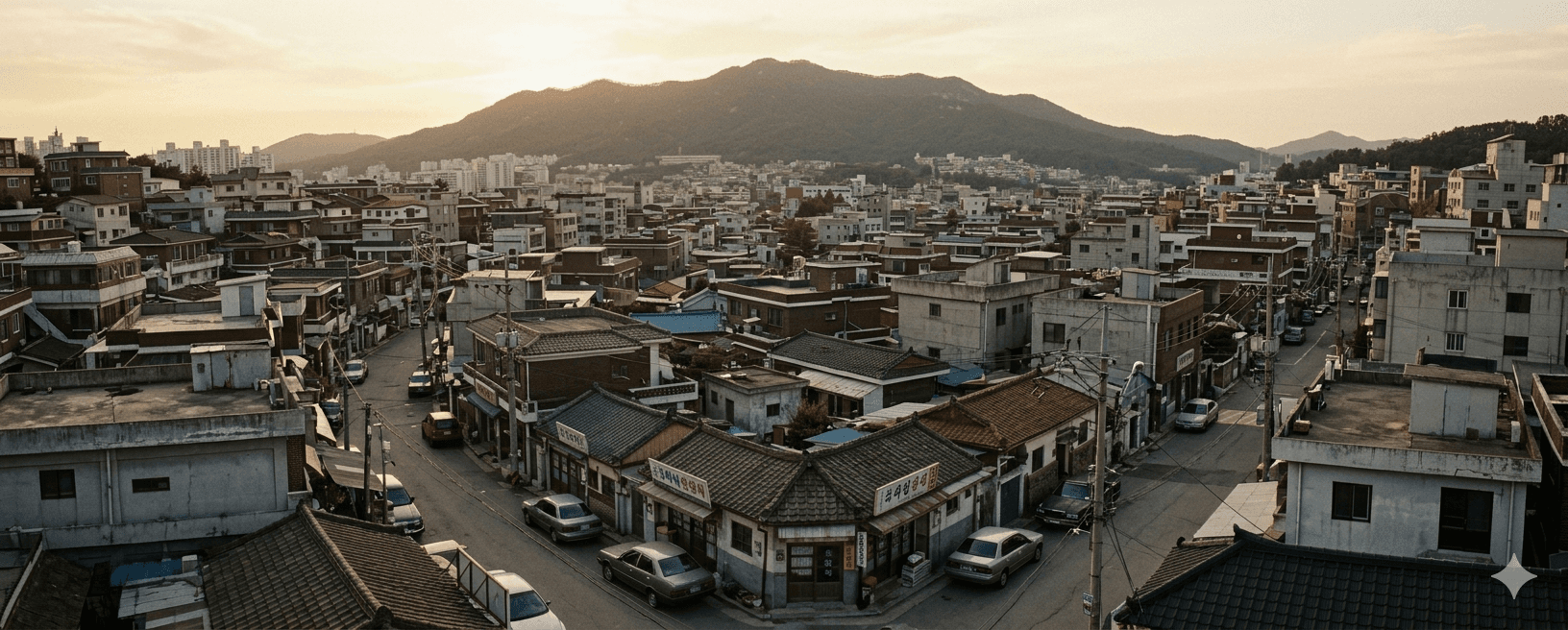
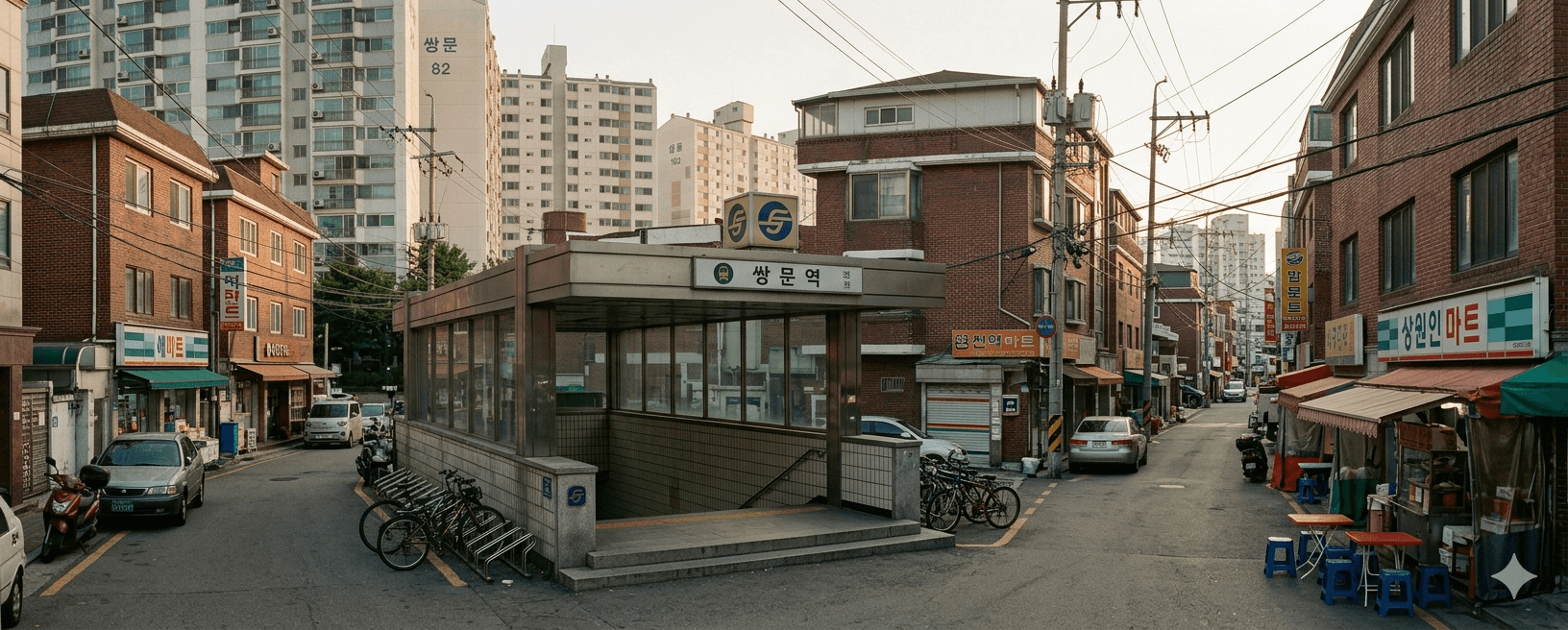
The real Ssangmun-dong is located in Dobong-gu, one of the northernmost districts of Seoul. While the drama's alley was a studio set, the actual neighborhood retains a quieter, more residential feel compared to the neon-lit commercial zones of Gangnam or Hongdae, making it ideal for fans seeking an authentic slice of everyday Seoul life. To get there, take Subway Line 4 to Ssangmun Station and exit through Gate 1. From the station, a ten-minute walk north leads you into a web of narrow lanes lined with two- and three-story houses, corner convenience stores, and small family-run restaurants that still operate the way they did decades ago. The area around the station features a modest shopping street with affordable clothing shops and street-food vendors selling tteokbokki, odeng (fish cake skewers), and hotteok — exactly the kind of snacks the drama's characters would have devoured on the way home from school. If you want to extend your visit, Dobongsan Station (one stop further on Line 1) provides direct access to the trailheads of Dobong Mountain, one of Seoul's most popular hiking destinations, where well-marked paths lead to rocky peaks offering sweeping views of northern Seoul.
Fan Pilgrimages and Cultural Impact
Reply 1988 revived interest in Korean retro culture on a massive scale. After the drama aired, sales of vintage-style clothing surged, 1980s pop compilations re-entered music charts, and old-fashioned neighborhood bakeries experienced a sudden boom in business. Travel agencies began offering Ssangmun-dong retro tours, guiding groups through the neighborhood with commentary on how the real streets compare to the drama's sets. International fans, especially from China and Southeast Asia, added Dobong-gu to their Seoul itineraries, a district that had previously been almost entirely off the tourist radar. The drama's signature scenes — Deok-sun and Jung-hwan sharing an umbrella, Taek quietly leaving snacks at her door, the fathers pooling their money to buy a single birthday cake — are so iconic that fans still recreate them at the locations and share the photos on social media. Each autumn, around the anniversary of the drama's premiere in November, a small but dedicated community of fans organizes a "Reply 1988 remembrance walk" through Ssangmun-dong, complete with 1980s music played on portable speakers and group viewings of favorite episodes at a nearby community center.
Food and Nearby Attractions
No Reply 1988 pilgrimage is complete without eating the way the characters ate. The drama popularized several dishes that became cultural touchstones: Sung Sun-ae's homemade dosirak (lunchbox with egg, sausage, and kimchi fried rice), jjajangmyeon ordered for every celebration, and the humble ramyeon cooked over a portable stove in the alley. Near Ssangmun Station, family-run eateries serve hearty kimchi-jjigae and doenjang-jjigae sets for under 8,000 won, giving visitors the feeling of eating at a neighbor's kitchen table. For dessert, seek out a traditional bungeo-ppang (fish-shaped pastry) stand — these sweet, red-bean-filled treats appear repeatedly in the drama during winter scenes. Beyond food, the surrounding Dobong-gu area offers Banghak-dong Eunhaeng Namu-gil, a lovely ginkgo tree-lined road that turns brilliant gold in autumn. Nearby Changdong Art Village has converted former industrial buildings into galleries and performance spaces, offering a creative contrast to the nostalgic residential streets. If you have a full day, combine your Ssangmun-dong walk with a morning hike on Dobong Mountain and an afternoon visit to the Northern Seoul Dream Forest, a sprawling urban park with observation decks, art installations, and manicured gardens — all accessible within a few subway stops of where the five friends of Reply 1988 once called home.