Hotel Del Luna: A Hotel for the Dead
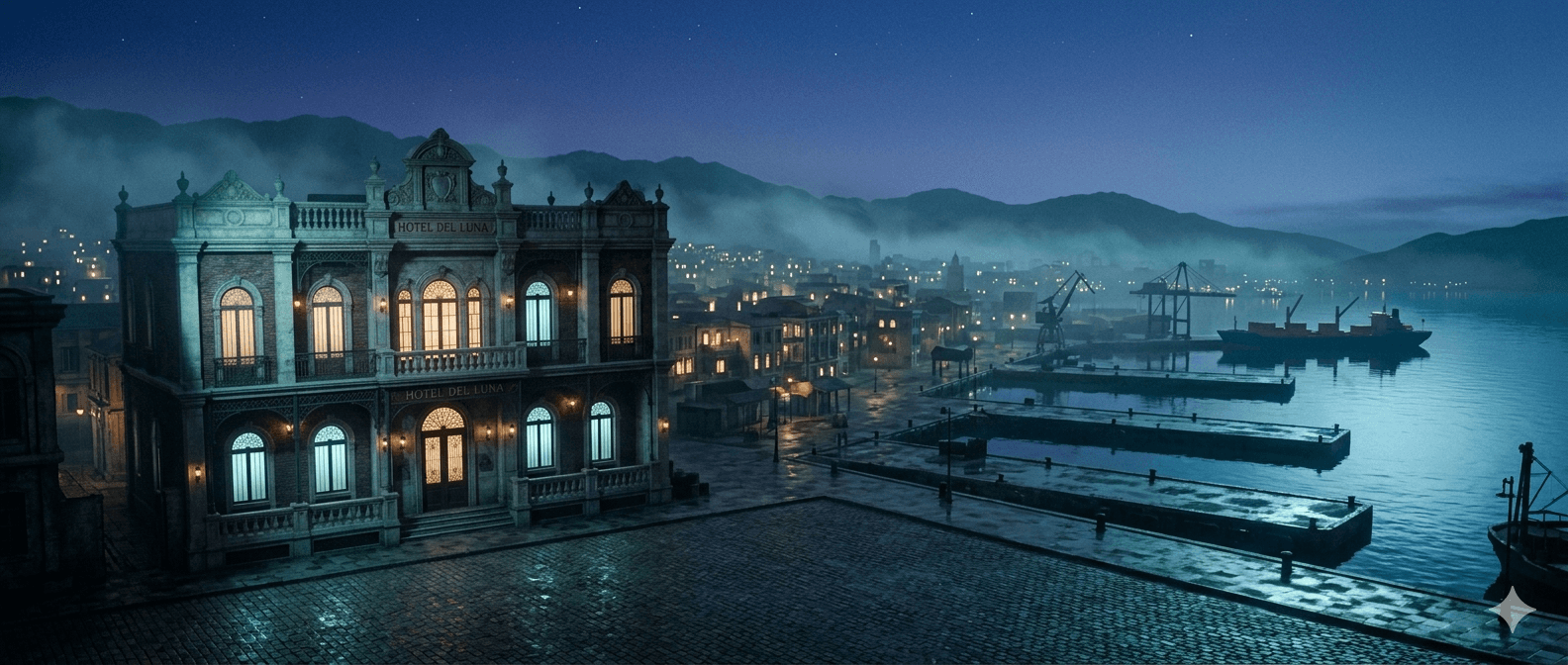
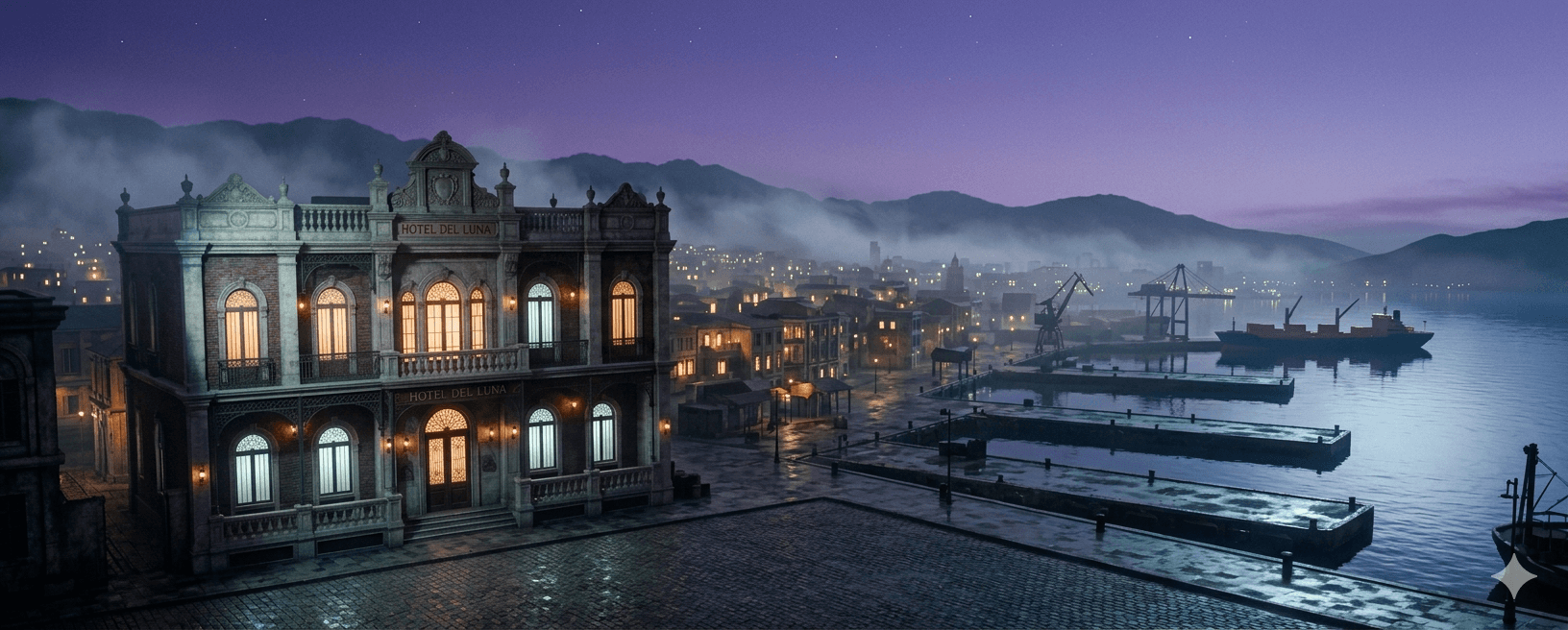
Hotel Del Luna (2019, tvN) is a fantasy romance drama that captured imaginations with its wildly original premise: a luxury hotel in the heart of Seoul that exists solely to host the spirits of the dead before they pass on to the afterlife. IU stars as Jang Man-wol, the hotel's imperious, fashion-obsessed owner who has been bound to the property for over a thousand years as punishment for a devastating act of betrayal in her past life. Yeo Jin-goo plays Gu Chan-sung, an elite young hotelier who becomes the establishment's reluctant new manager after an old debt ties him to Man-wol's world. As they welcome a parade of ghosts, each carrying unfinished business from the living world, Man-wol is forced to confront the painful memories she has spent centuries avoiding. The drama reached a peak rating of approximately 12% on cable — impressive for its late-night time slot — and became a cultural talking point thanks to its unique fantasy world-building and IU's jaw-dropping wardrobe. Over the course of the series, Man-wol wore more than 200 distinct outfits, each meticulously designed to reflect her mood and the era she was recalling. The drama's impact on tourism was equally striking: the Mokpo Modern History Museum, which served as the hotel's exterior, reportedly saw visitor numbers spike by 300% in the months following the broadcast.
Behind the Scenes
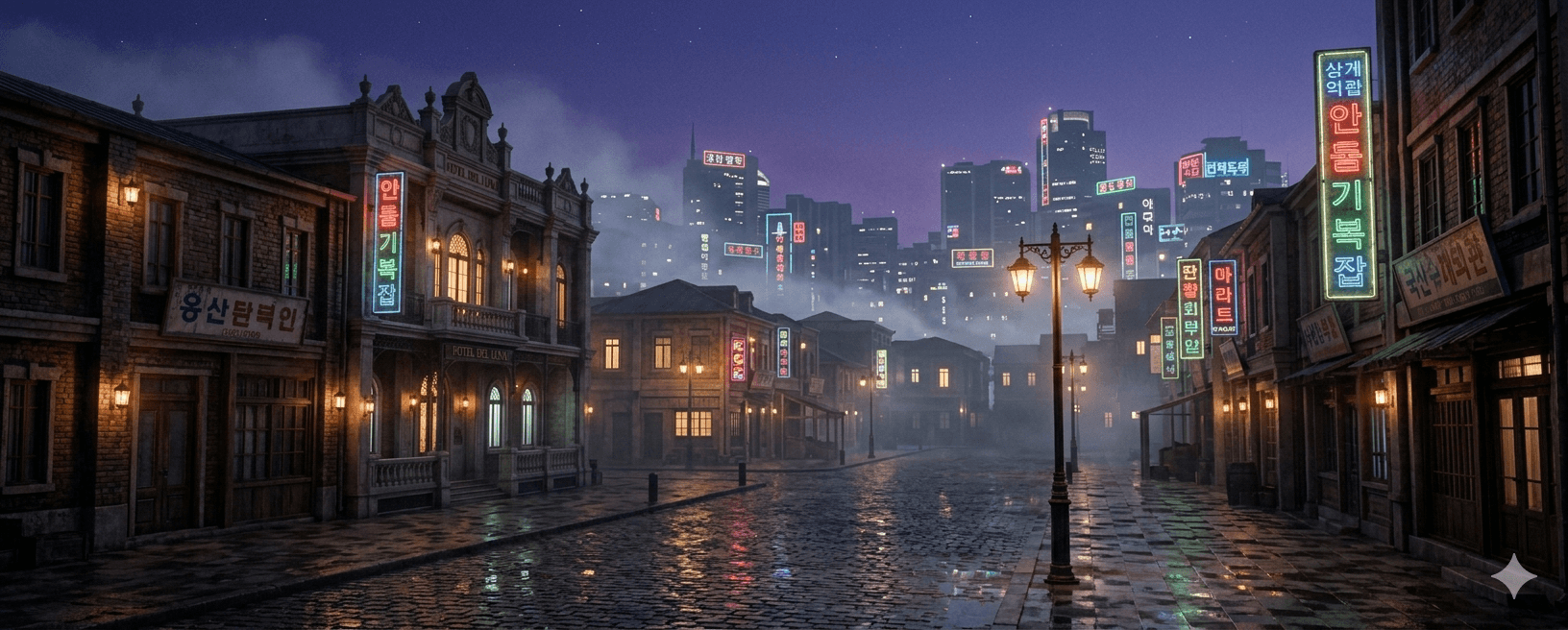
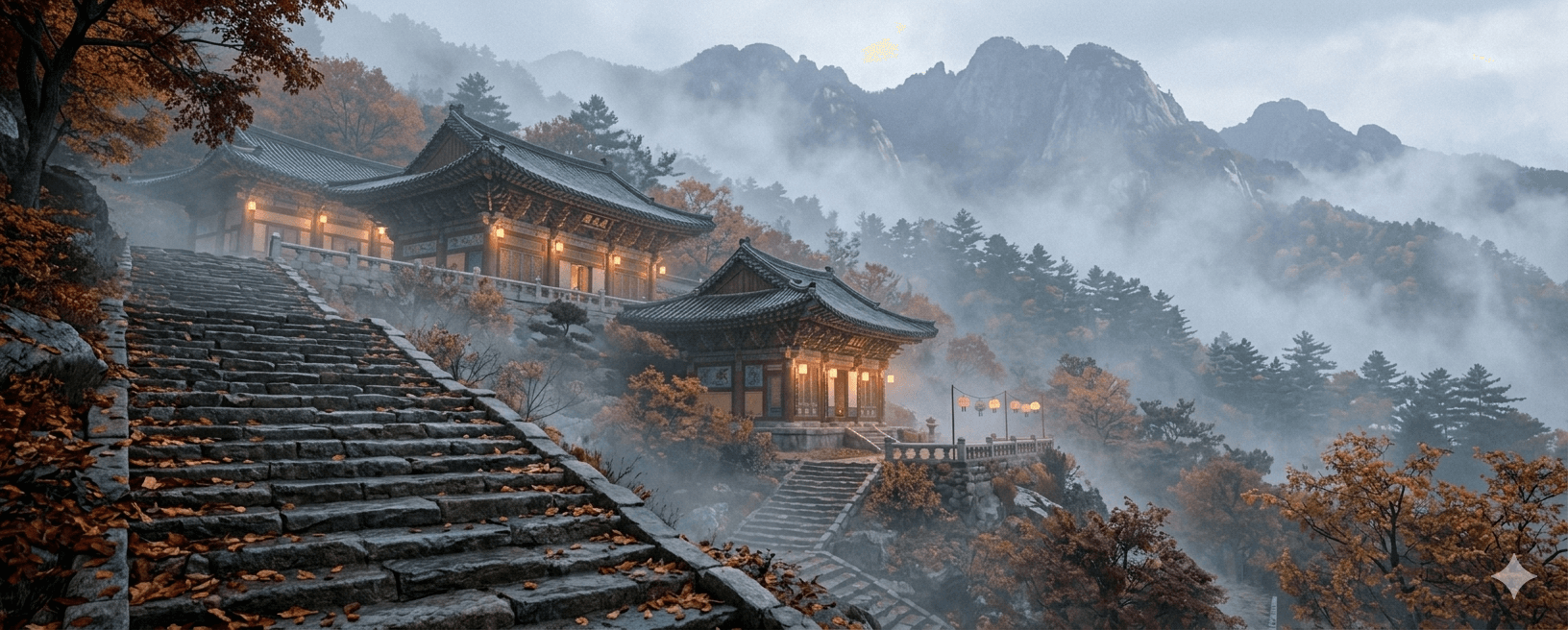
The selection of the Mokpo Modern History Museum as the hotel's exterior was a stroke of creative genius. The building was originally constructed in 1900 as the Japanese Consulate during the colonial period, and its Western-style stone facade, arched windows, and grand entrance exude exactly the kind of faded, otherworldly grandeur the production team was looking for. Unlike a purpose-built set, the museum carried genuine historical weight, lending the fictional Hotel Del Luna a sense of authentic antiquity. The hotel's lavish interior, however, was constructed entirely on a studio set in Paju. Production designers spent months building the lobby, corridors, guest rooms, and bar from scratch, incorporating Art Nouveau details, antique furnishings, and ethereal lighting to create a space that felt simultaneously opulent and haunted. Managing IU's wardrobe was a production challenge in its own right: a dedicated costume team rotated through racks of designer pieces, vintage finds, and custom-made creations, coordinating each outfit with the specific emotional tone of the scene. In Gyeongju, the team secured a special filming permit for Bulguksa Temple, one of Korea's most sacred Buddhist sites and a UNESCO World Heritage landmark. The temple's ancient stone pagodas and weathered wooden halls provided the backdrop for flashback sequences set during the Goryeo Dynasty, connecting Man-wol's origins to real Korean history.
Filming Location Travel Guide
A well-planned trip can cover the drama's key locations across two regions. For the Mokpo course, arrive at Mokpo Station (reachable by KTX from Seoul's Yongsan Station in about 2.5 hours). From the station, the Modern History Museum is a pleasant 15-minute walk through the old downtown area, or a quick 5-minute taxi ride. After the museum, continue on foot to Yudalsan Mountain, which rises directly behind the city center and offers panoramic views of the harbor and surrounding islands from its hiking trails. The hike to the main overlook takes about 40 minutes. From there, head to Gatbawi Rock, the iconic seaside rock formation on the waterfront, which is accessible by a short bus ride or 20-minute walk. For the Gyeongju course, take the KTX to Singyeongju Station, then bus or taxi to Bulguksa Temple (Bus 10 or 11, about 40 minutes from Gyeongju Station). Combine this with a visit to the nearby Seokguram Grotto, a mountaintop Buddhist sanctuary with a stunning stone Buddha overlooking the East Sea, and the Donggung Palace and Wolji Pond, which is particularly magical when illuminated at night. The best seasons to visit Mokpo are spring and autumn for comfortable walking weather, while Gyeongju is spectacular in autumn when the foliage around the temples turns gold and crimson.
Fan Pilgrimages
The Mokpo Modern History Museum's 300% visitor increase was no passing fad. Years after the drama's broadcast, fans continue to arrive at the museum entrance, cameras ready, to photograph the building that housed the fictional hotel. The city of Mokpo embraced the connection by installing photo zones and drama-themed signage around the museum and nearby streets. IU fans in particular treat the Mokpo visit as a pilgrimage, combining the museum stop with visits to other IU-associated sites and local fan-organized events. In Gyeongju, Bulguksa Temple has long been one of Korea's most visited cultural sites, but the drama introduced the temple to a younger, international audience who might not have prioritized a heritage site visit otherwise. The temple offers special night viewing sessions during certain seasons, allowing visitors to experience the grounds in the same atmospheric, lantern-lit conditions that the production team captured for the flashback scenes. Across social media, fans share side-by-side comparisons of drama scenes and their own photos taken at the same spots, keeping the locations trending and inspiring new visitors to make the journey.
Nearby Food & Attractions
Mokpo is one of Korea's great food cities, and no visit is complete without sampling the local specialties. Nakji (octopus) is the city's signature dish, served raw as tangy seasoned hoe, stir-fried in fiery gochujang sauce, or simmered in hearty stew. Equally famous is hongeo (fermented skate), a pungent delicacy that divides opinion sharply — it is an acquired taste, but adventurous eaters should absolutely try it. Mokpo's waterfront fish market is the best place to sample both. After eating, climb Yudalsan for sunset views over the harbor, or take a ferry to one of the nearby islands for a half-day of quiet coastal scenery. In Gyeongju, the area around Bulguksa is part of the larger Bomun Tourist Resort, which includes lakeside hotels, bike paths, and seasonal flower gardens. In the city center, Hwangnidan-gil has emerged as Gyeongju's trendiest street, lined with converted hanok cafes, artisanal bakeries, and vintage shops housed in traditional Korean buildings. For accommodation, Mokpo offers modern business hotels near the station and atmospheric guesthouses in the old town, while Gyeongju's Bomun area and Hwangnidan-gil both have excellent options ranging from budget pensions to boutique hanok stays.