RealScene
BTS THE COMEBACK LIVE: ARIRANG
Special

BTS THE COMEBACK LIVE: ARIRANG

Discover the performance locations of BTS THE COMEBACK LIVE: ARIRANG at Gwanghwamun Square, Seoul — their historic full-group return.

March 21, 2026 Hamish Hamilton South Korea 4 Published: March 24, 2026
K-POPLive Performance

BTS THE COMEBACK LIVE: ARIRANG -- The King's Return at Gwanghwamun

On the evening of March 21, 2026, all seven members of BTS -- RM, Jin, Suga, J-Hope, Jimin, V, and Jungkook -- stood together on stage for the first time in nearly four years, performing a full-group live concert at Gwanghwamun Square in the heart of Seoul. The event marked the release of their 5th studio album "ARIRANG" and celebrated the group's complete reunion after all members fulfilled their mandatory military service. It was the first-ever standalone concert held at Gwanghwamun Square, a civic space that sits on the central axis between Gyeongbokgung Palace and Seoul City Hall, transforming one of Korea's most historically significant public spaces into a global pop spectacle. Directed by Hamish Hamilton -- the British director behind the 2012 London Olympics opening ceremony and multiple Super Bowl halftime shows -- the performance was live-streamed via Netflix to audiences in over 190 countries, making it one of the most widely distributed live music events in history. On the ground, 22,000 ticketed fans filled the square, while an estimated 50,000 additional fans watched from the surrounding streets. Behind the scenes, 1,075 crew members, 23 cameras, 50+ backup dancers, and 13 musicians from the National Gugak Center (Korea's traditional music institute) worked in concert to produce a show that blended K-pop performance with Korean cultural heritage on an unprecedented scale.

Stage and Performance: Where K-Pop Met Korean Heritage

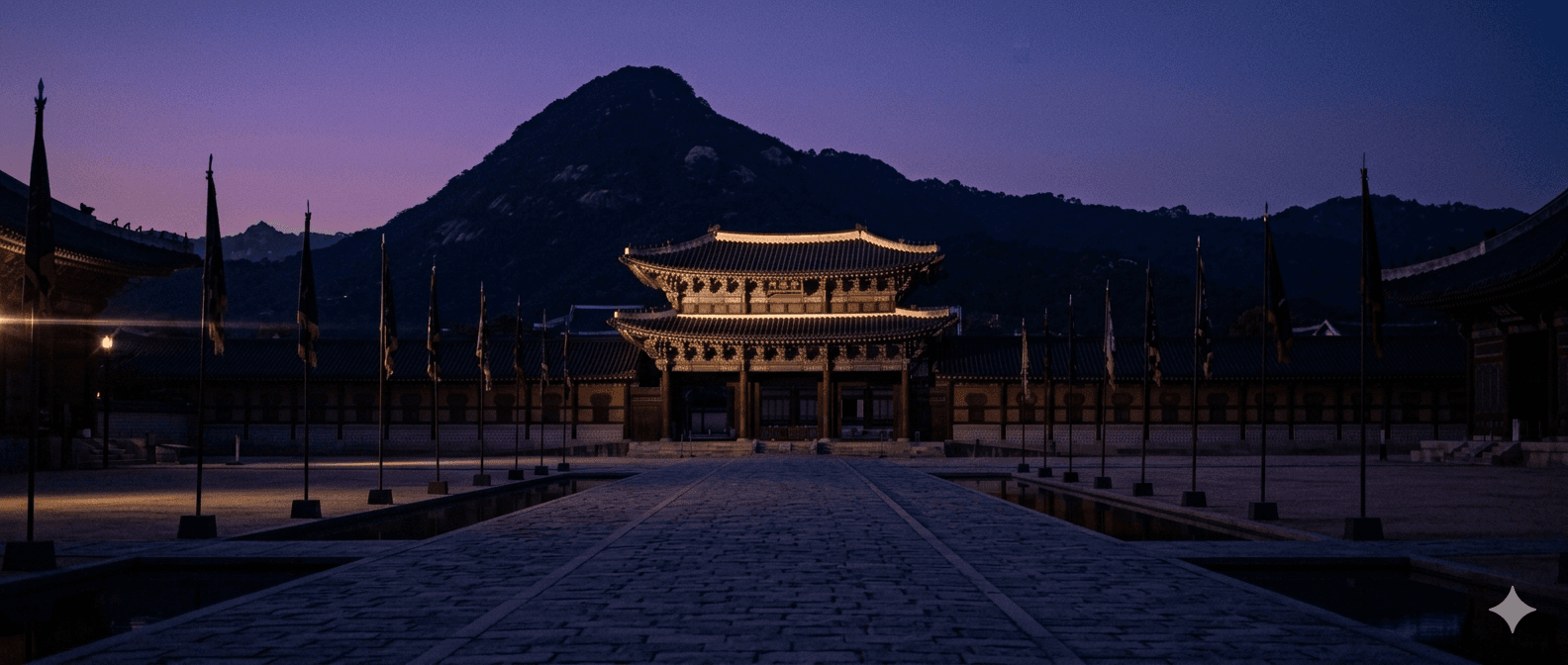
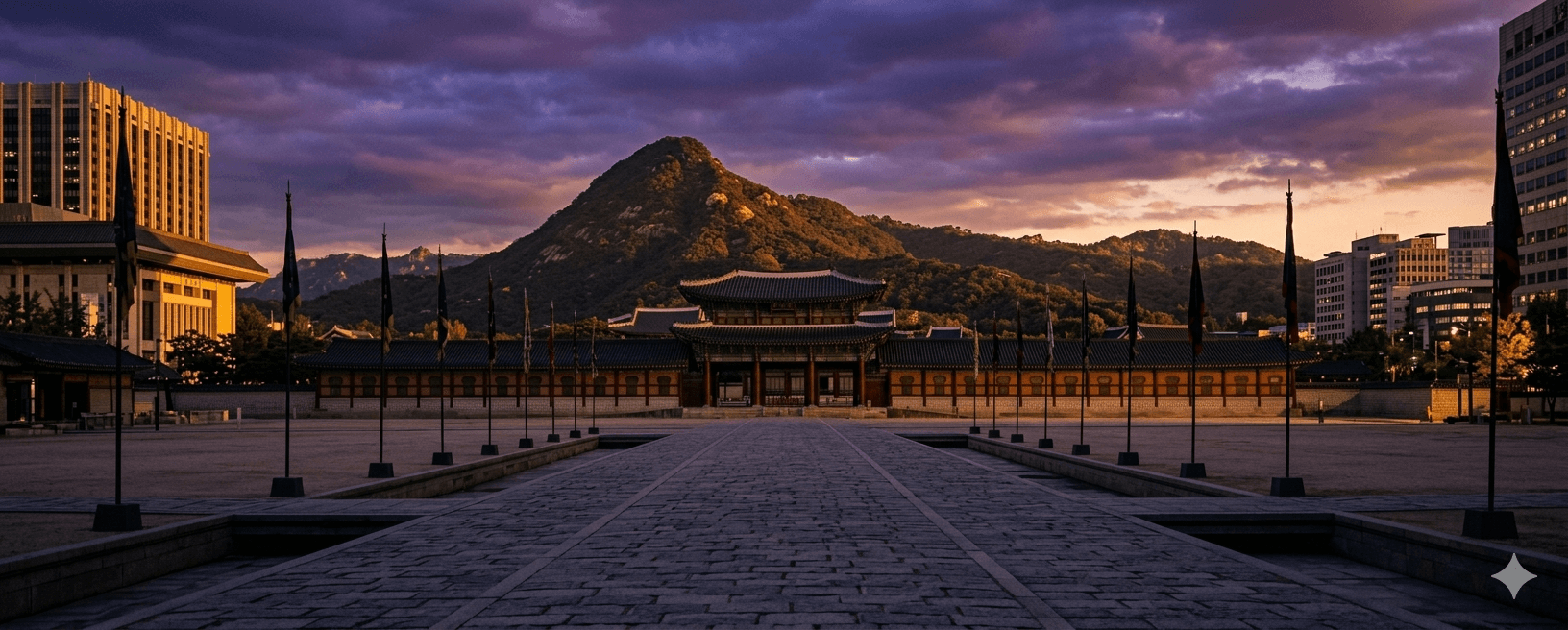
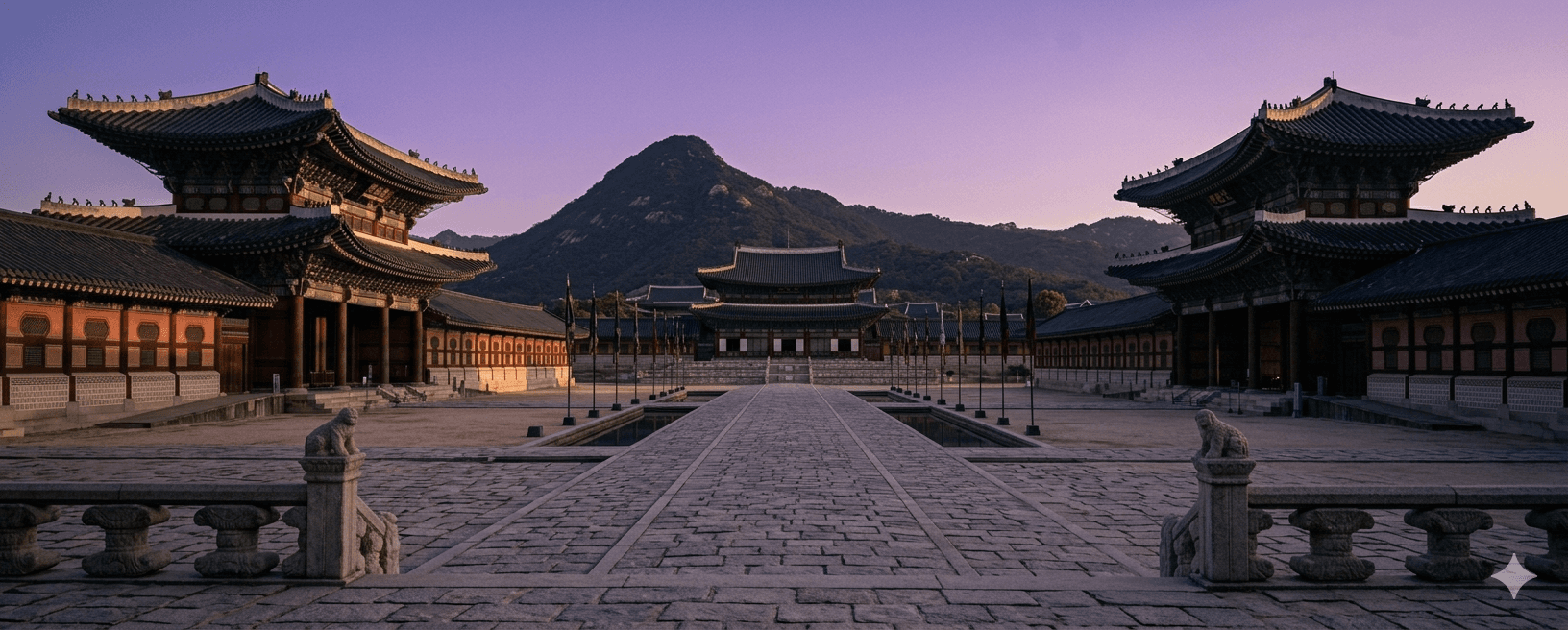
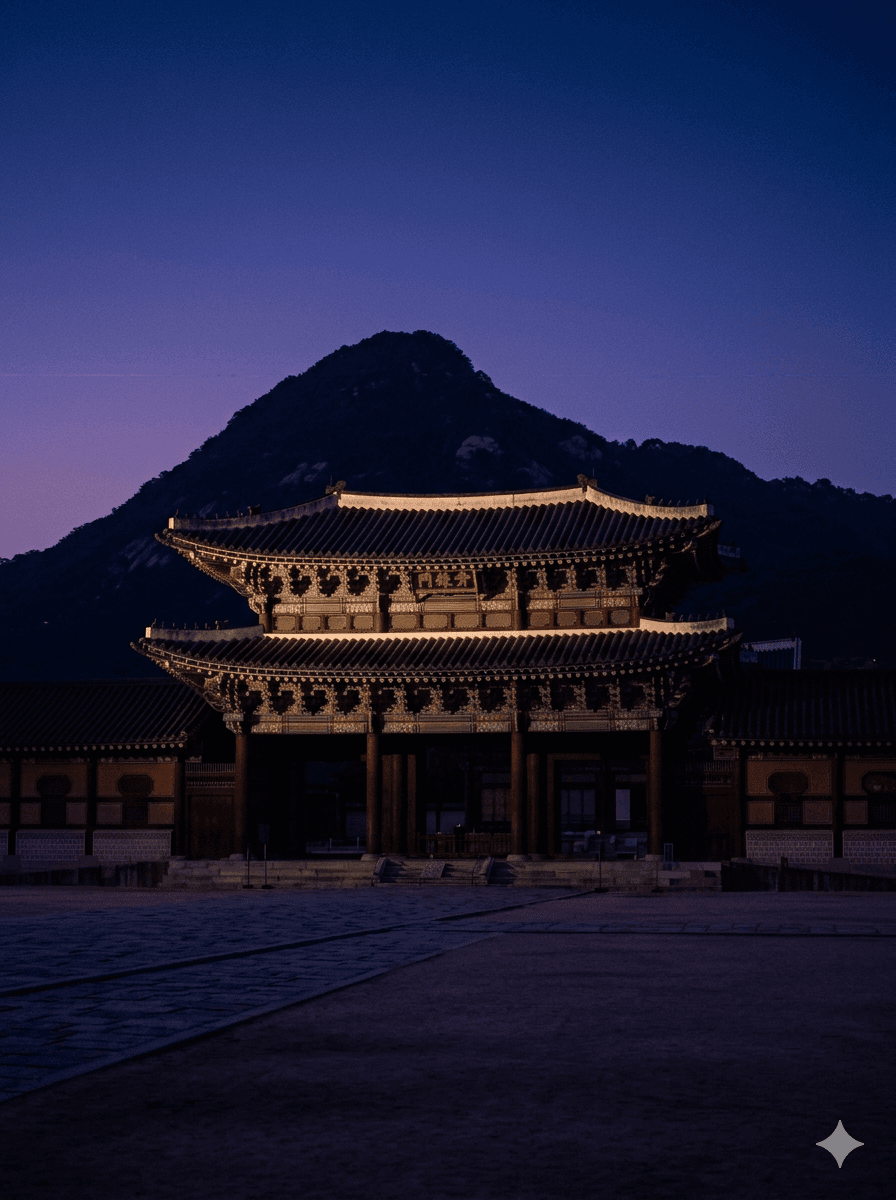
The stage itself was an engineering and artistic statement. A 14.7-meter open cube structure was erected directly in front of the King Sejong statue, designed so that Gwanghwamun Gate and the snow-capped peaks of Bukhansan Mountain served as a living, unobstructed backdrop behind the performers. The cube's transparent panels allowed the audience to see through the stage to the palace gate beyond, symbolizing a bridge between past and present. Each song's lighting and visual design drew from the Korean flag's Geon-Gon-Gam-Ri trigrams, representing heaven, earth, water, and fire -- themes that rotated through the set list in four distinct acts. The opening track, "Body to Body," began with National Gugak Center musicians in full hanbok playing the centuries-old Arirang folk melody on traditional instruments -- gayageum, haegeum, and buk drum -- before the melody was seamlessly absorbed into a contemporary beat as BTS emerged. RM later addressed the crowd between songs, saying: "This square has witnessed Korea's history for over 600 years. Tonight, we are writing the next page together." The most symbolically powerful moment came during the entrance sequence, when all seven members walked the Eodo (Royal Road) -- the raised ceremonial path running from Geunjeongmun Gate through Heungnyemun Gate to the square -- a route historically reserved exclusively for Joseon Dynasty kings. Their walk along this path, in formation, announced their return in a gesture that required no words.

Performance Venue Guide: Walking the Gwanghwamun Area

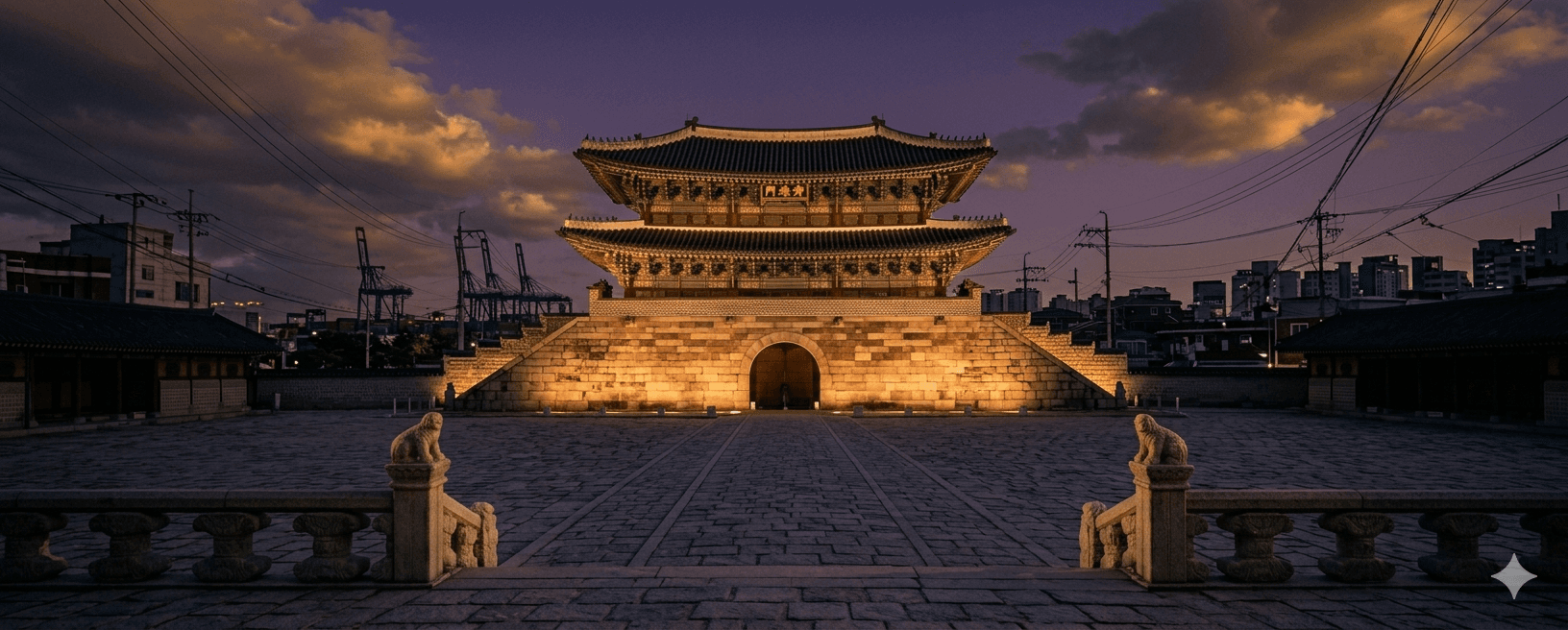
The concert locations and surrounding landmarks make for an excellent walking course of approximately 2 kilometers, taking about 40 minutes at a leisurely pace. Start at Gyeongbokgung Station (Line 3) Exit 5 and enter the palace grounds (admission 3,000 won, free on the last Wednesday of each month and for those wearing hanbok). Walk the Eodo (Royal Road) from Heungnyemun through Geunjeongmun, imagining the seven members' entrance walk, and explore the palace's main halls before exiting through the front gate. Emerging from the palace, you will face the newly restored Gwanghwamun Gate Woldae -- the stone platform where BTS walked during the opening sequence, symbolizing the king's path into the city. Descend south along Sejong-daero toward Gwanghwamun Square, where the main stage was erected. The square stretches roughly 600 meters, with the King Sejong statue at its center and the Admiral Yi Sun-sin statue at its southern end. This is where 22,000 fans stood shoulder to shoulder during the concert. Continue south another five minutes to reach Sungnyemun Gate (Namdaemun), National Treasure No. 1, which was featured in the concert's pre-filmed VCR segments and media facade projections. The entire walk from Gyeongbokgung Palace to Sungnyemun follows Seoul's historic central axis and is flat, accessible, and well-marked with multilingual signage.

Fan Pilgrimages: ARMY's Sacred Ground

In the days following the concert, Gwanghwamun Square became an unofficial ARMY pilgrimage site. Fans arrived from across Korea and overseas to stand at the spot where the stage had been, photograph themselves in front of Gwanghwamun Gate as BTS had done, and walk the Royal Road. Four specific photo points emerged as the most popular: (1) the King Sejong statue, where fans pose mimicking BTS's group formation; (2) the Gwanghwamun Woldae, where fans recreate the entrance walk; (3) the Eodo pathway inside the palace; and (4) Sungnyemun Gate, where the VCR projections had been displayed. On social media, the hashtags #ARIRANGGwanghwamun and #BTSComeback accumulated millions of posts within the first week, with fans sharing emotional accounts of visiting the site and overlaying concert footage onto their real-time location photos. The Seoul Metropolitan Government and the Korea Tourism Organization moved quickly to capitalize on the cultural moment, adding BTS Gwanghwamun-themed content to their official tourism apps and distributing multilingual pamphlets at the Gwanghwamun tourist information center. Local businesses reported a sustained increase in foot traffic, with nearby hanbok rental shops and traditional tea houses seeing particularly strong demand from international visitors who wanted to experience the cultural atmosphere that formed the concert's backdrop.

Food and Nearby Attractions

The Gwanghwamun area is surrounded by some of Seoul's richest cultural and culinary offerings. For an immersive experience, rent hanbok (traditional Korean clothing) from one of several rental shops near Gyeongbokgung Station -- prices start around 15,000 won for a two-hour rental, and wearing hanbok grants free admission to the palace. After walking the concert route, head east to Insadong, a five-minute walk from Gwanghwamun Square, where the traditional culture street is lined with tea houses, calligraphy shops, and galleries. Ssamzigil, a spiraling open-air shopping complex on Insadong's main road, offers artisan crafts and a rooftop view of the neighborhood. For lunch, the Jongno area surrounding the square serves some of Seoul's best traditional Korean food: Tosokchon and Tosokchon Samgyetang are famous for their ginseng chicken soup, while the narrow alleys of Pimatgol (historically a "horse-avoidance street" where commoners ate while aristocrats rode past) still host small restaurants serving jeon (Korean pancakes), makgeolli (rice wine), and galbi-jjim (braised short ribs). South of the square, Namdaemun Market -- Korea's largest traditional market, a short walk from Sungnyemun Gate -- offers everything from kalguksu (knife-cut noodle soup) to hotteok to dried seafood and housewares at wholesale prices. The market's narrow aisles are packed with vendors and the energy is electric, offering a street-level Seoul experience that perfectly complements the grandeur of the Gwanghwamun concert site. For a quieter end to the day, the Cheonggyecheon Stream, a restored urban waterway running east from Gwanghwamun, offers a peaceful evening walk alongside illuminated water features and public art installations, bringing your BTS pilgrimage to a gentle close in the city where it all began.

📍 Filming Locations

1

광화문광장 (메인 무대)

서울특별시 종로구 세종대로 172

The 14.7m open cube main stage was erected in front of the King Sejong statue. All 12 songs were performed here with 22,000 ticketed spectators filling the square.

Direct access from Gwanghwamun Station (Line 5) Exit 2, or 5 min walk from Gyeongbokgung Station (Line 3) Exit 6

37.5720, 126.9769

View on Map

Google Maps

Search nearby hotels
2

광화문 월대

서울특별시 종로구 사직로 161

BTS members walked across the restored woldae (stone platform) during the opening sequence, symbolizing 'the king's return' on the path once reserved for Joseon Dynasty kings.

3 min walk from Gyeongbokgung Station (Line 3) Exit 6

37.5761, 126.9770

View on Map

Google Maps

Search nearby hotels
3

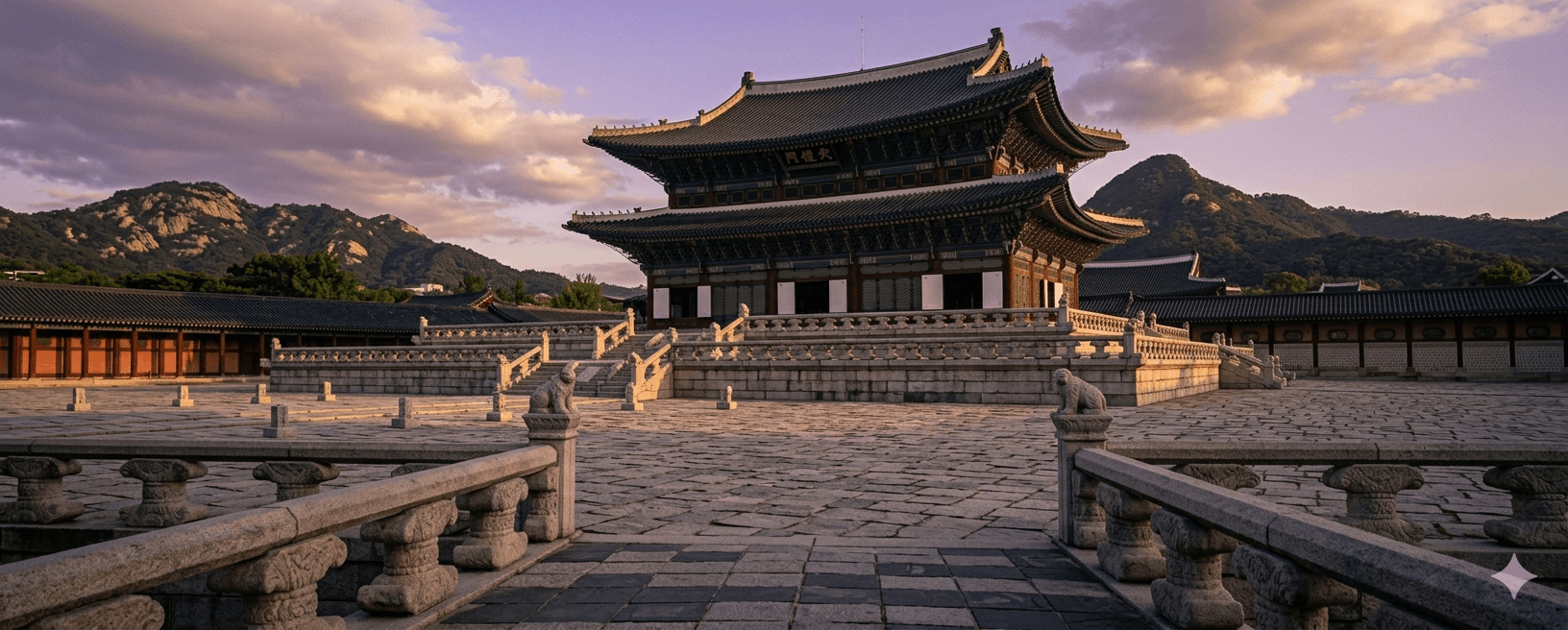
경복궁 근정문 ~ 흥례문 (어도)

서울특별시 종로구 사직로 161 경복궁

BTS walked the Eodo (Royal Road) from Geunjeongmun through Heungnyemun to the main stage. This path was historically reserved only for Joseon kings, making their walk a symbolic announcement of their full-group return.

5 min walk from Gyeongbokgung Station (Line 3) Exit 5 (palace admission required)

37.5783, 126.9770

View on Map

Google Maps

Search nearby hotels
4

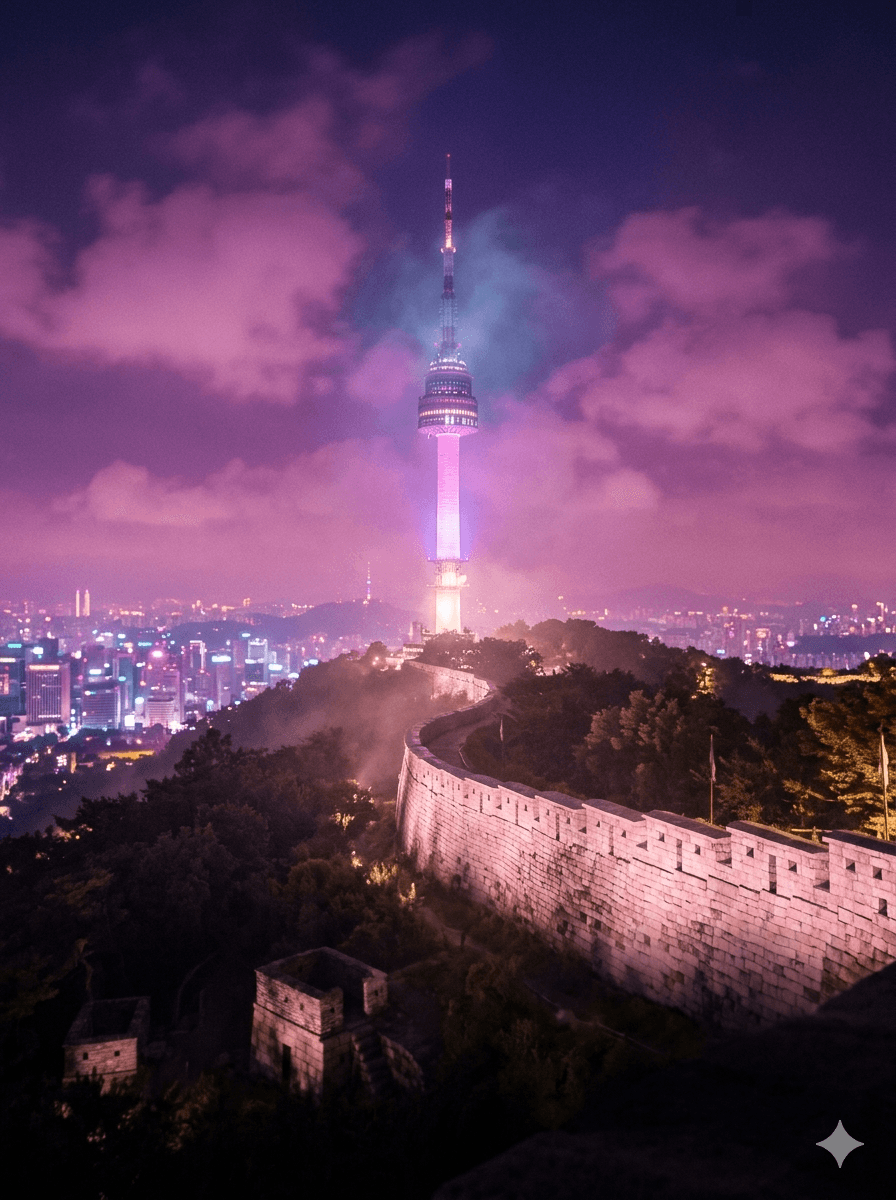
숭례문 (남대문)

서울특별시 중구 세종대로 40

National Treasure No. 1, featured in pre-filmed VCR segments and media facade art. Ink wash painting-style projections blended Korean heritage with modern pop aesthetics.

3 min walk from Hoehyeon Station (Line 4) Exit 5, or 5 min walk from Seoul Station (Line 1) Exit 4

37.5597, 126.9753

View on Map

Google Maps

Search nearby hotels

🧳 Plan Your Trip

🎬 Related Works