Peaky Blinders: The Immortal Man, The Shelby Family's Final War
Released in UK cinemas on March 6 and globally on Netflix on March 20, 2026, Peaky Blinders: The Immortal Man is the cinematic conclusion to the legendary British gangster saga. Cillian Murphy returns as Thomas Shelby, joined by newcomers Barry Keoghan, Rebecca Ferguson, and Tim Roth in a story set during the devastation of World War II.
Written by series creator Steven Knight and directed by Tom Harper, the film picks up several years after Season 6, with Birmingham in ruins from the Blitz and the Shelby empire facing its most existential threat. The world premiere at Birmingham Symphony Hall carried symbolic weight, bringing the story home to the city that inspired it. On Netflix, the film quickly became one of the platform's most-watched titles, demonstrating the enduring global appetite for Tommy Shelby's world.
Behind the Scenes
Principal photography ran for approximately 11 weeks from September 30 to December 13, 2024, with the production based at Digbeth Loc Studios in Birmingham's Digbeth district. The filmmakers utilized historic locations across England and Wales to recreate wartime Britain with remarkable authenticity.
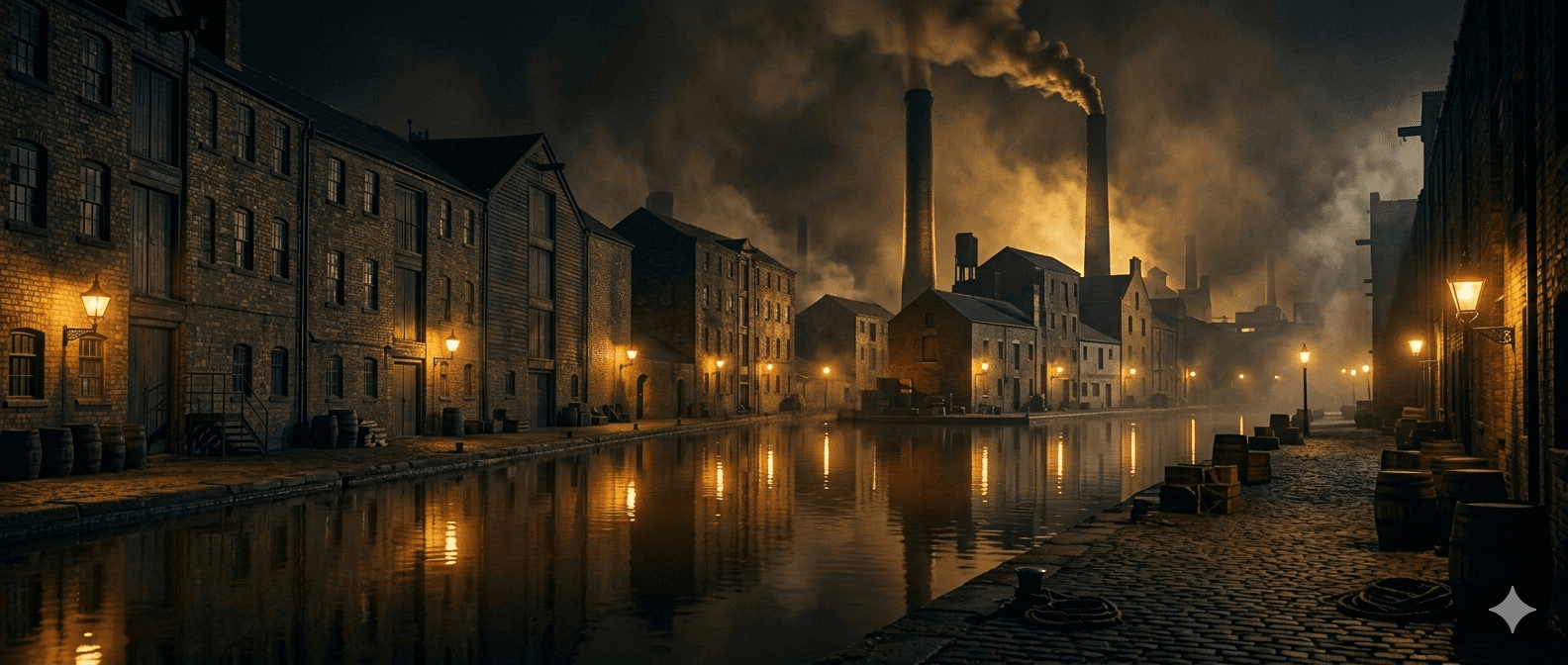
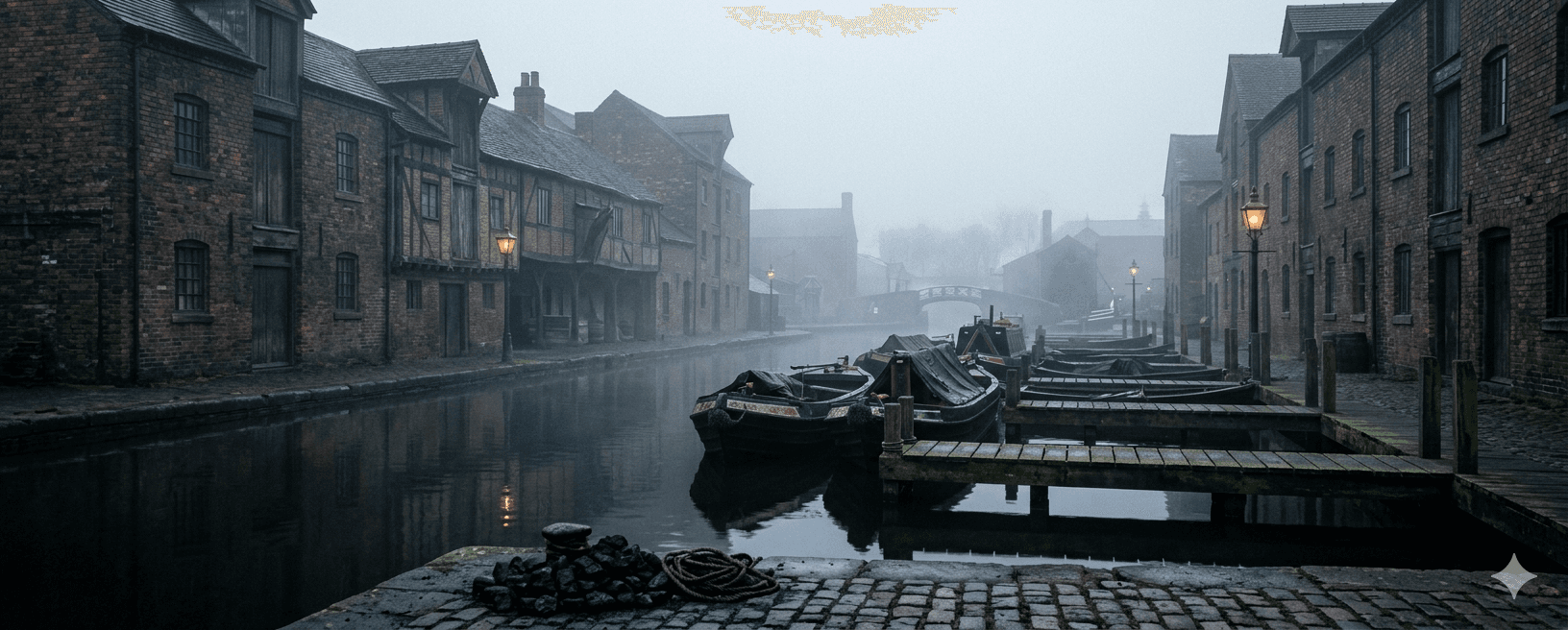
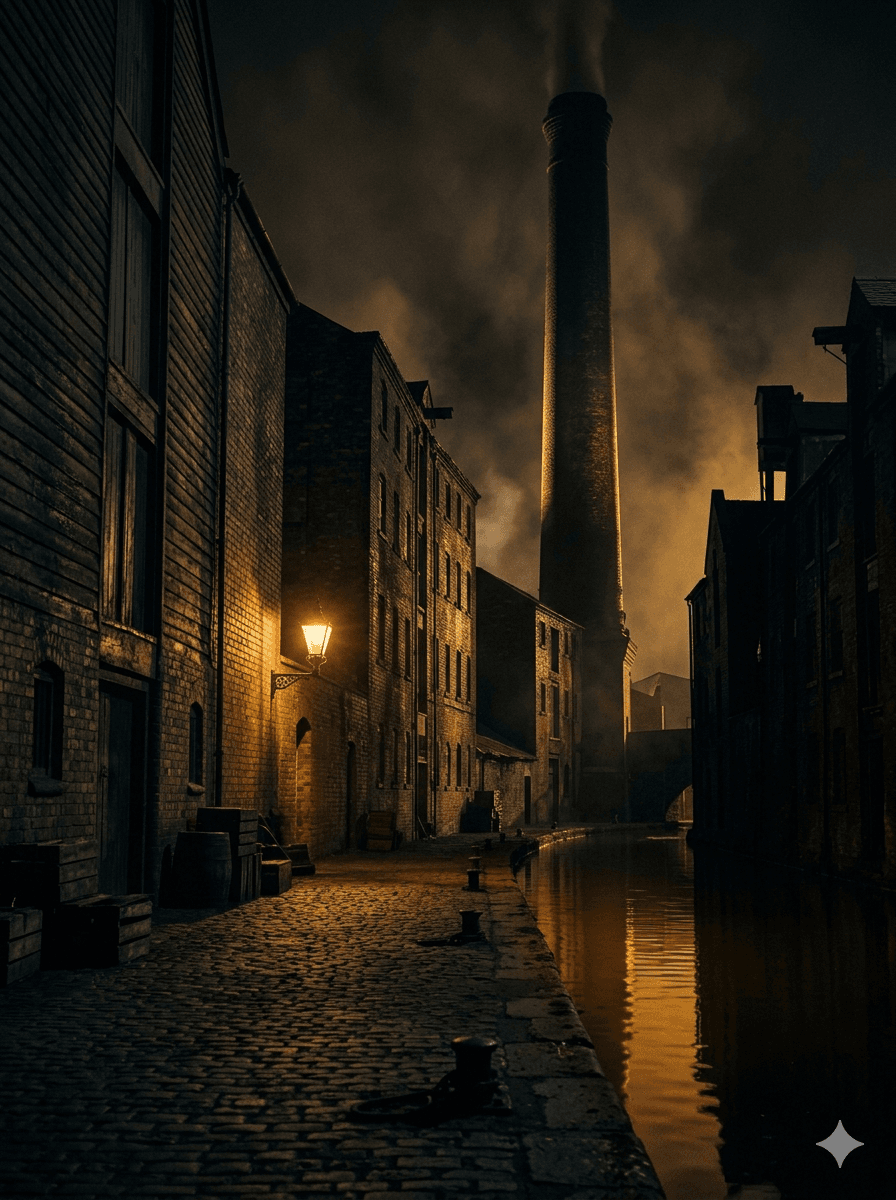
Black Country Living Museum has been the franchise's most important location since Season 1, serving as Charlie Strong's canal yard. This remarkable open-air museum preserves genuine Industrial Revolution-era buildings, canals, and workshops, allowing the production to film without building sets. For The Immortal Man, filming extended to the nearby Bumble Hole Nature Reserve in Dudley for additional canalside scenes, expanding the Peaky Blinders universe while maintaining visual continuity with the series.
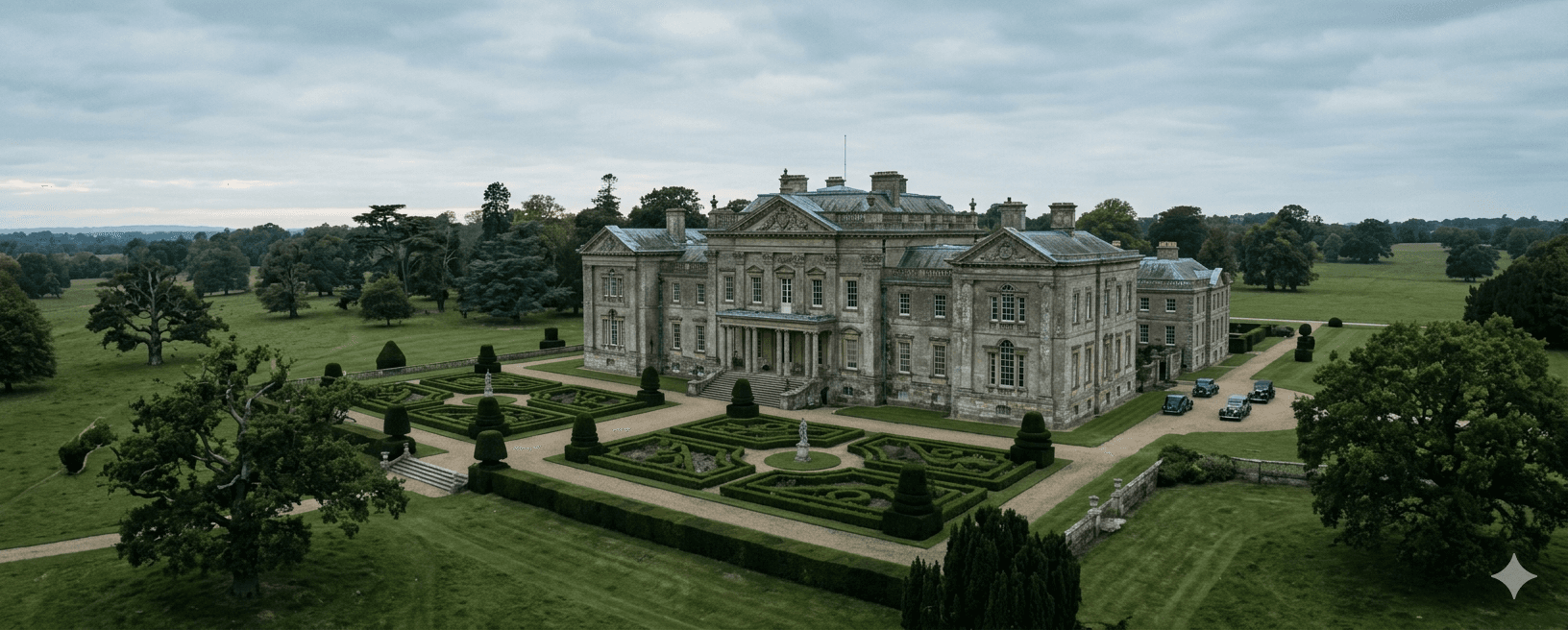
Calke Abbey in Derbyshire serves as Tommy Shelby's country estate. What makes this National Trust property uniquely suited to the role is its deliberate state of non-restoration. Unlike most stately homes that have been meticulously maintained, Calke Abbey preserves the natural decay of centuries, with peeling wallpaper, faded furnishings, and an atmosphere of aristocratic decline. This perfectly mirrors the Shelby family's trajectory: immense wealth slowly corroding from within.
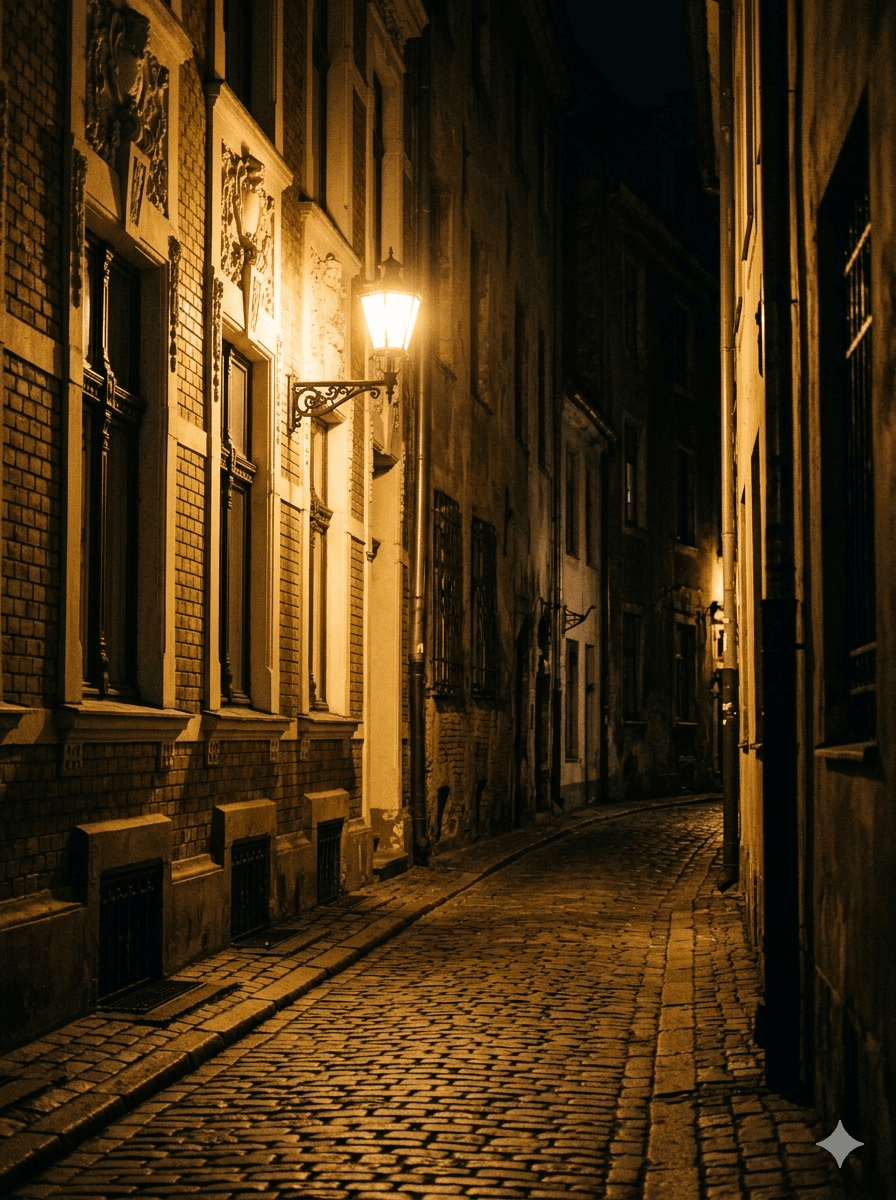
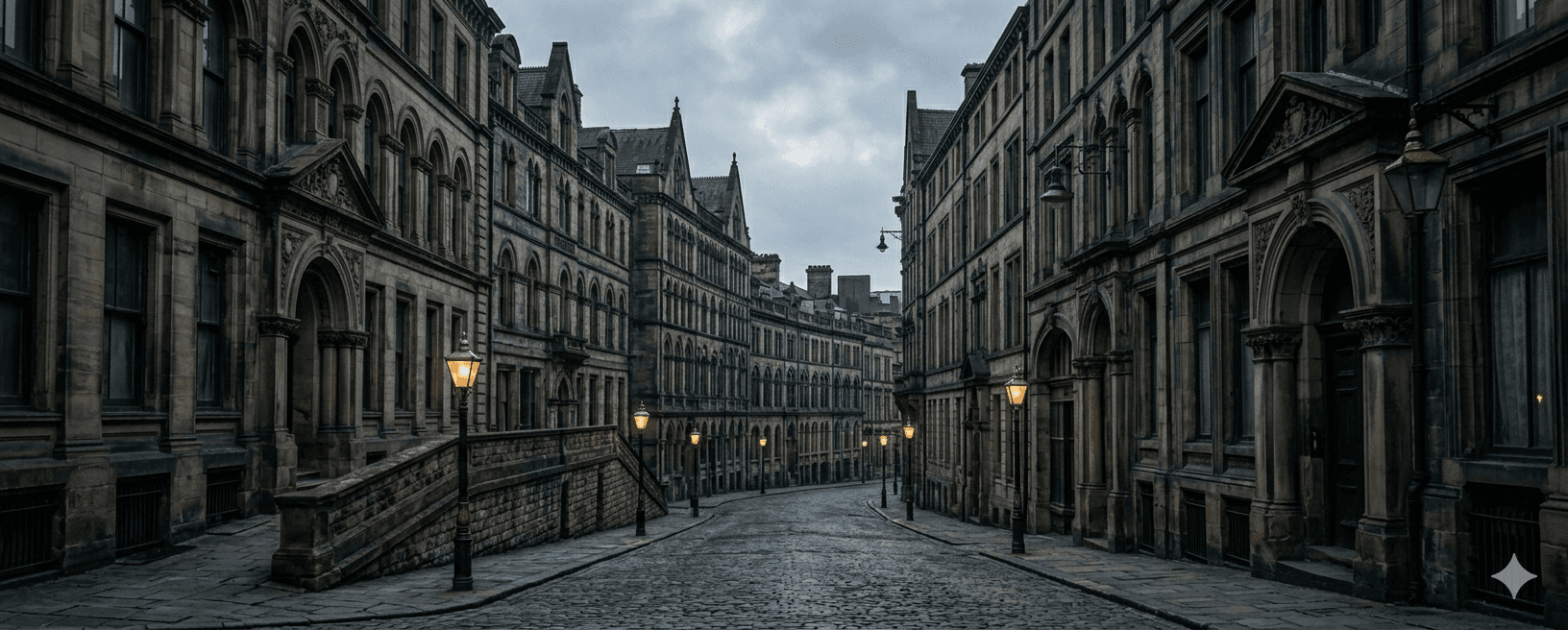
The WWII-ravaged streets of Birmingham were recreated in Bradford's Little Germany district, where Victorian-era stone warehouses and cobblestone streets provided the architectural backbone for scenes depicting Blitz devastation. The production team added rubble, damaged facades, and period vehicles to transform this Yorkshire warehouse district into wartime Birmingham.
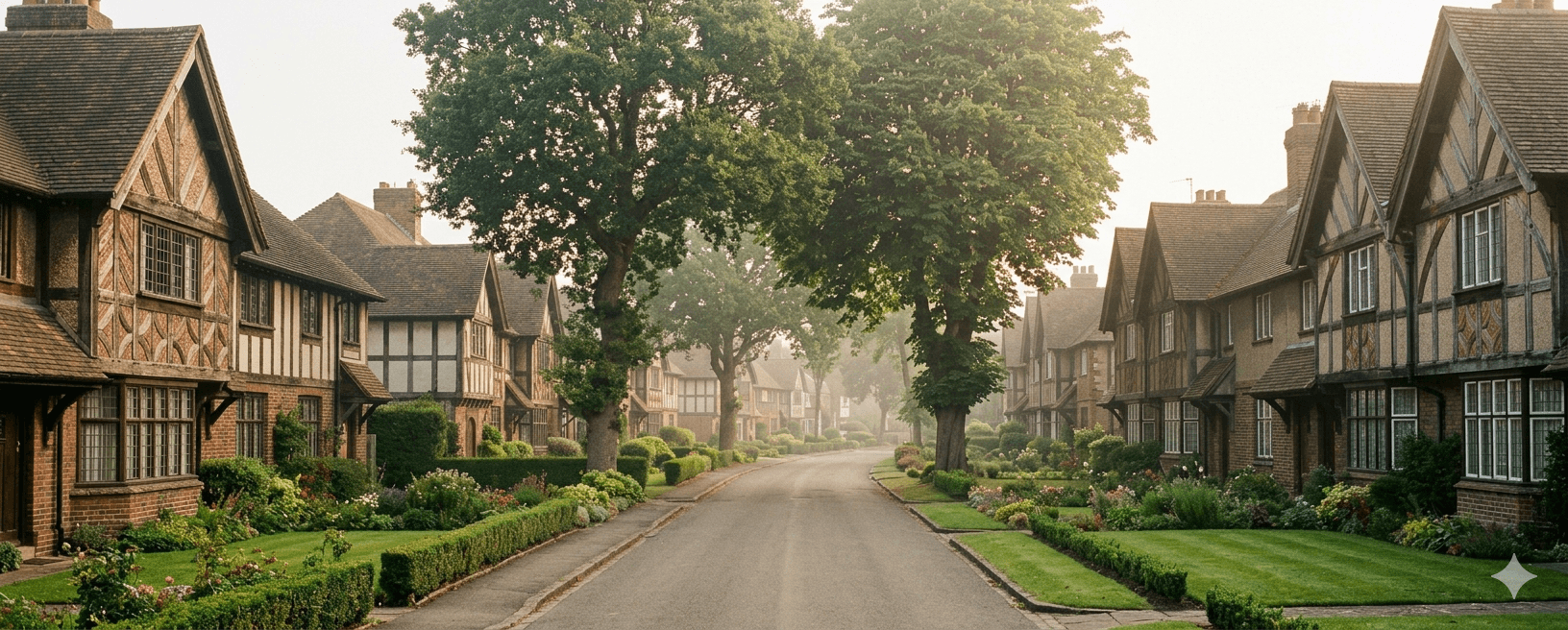
Port Sunlight on the Wirral peninsula provided the setting for Aunt Polly's home. This remarkable planned village, built by Lever Brothers in the 1880s for their soap factory workers, contains 900 Arts and Crafts-style houses that look virtually unchanged from the 1920s, making it ideal for period filming.
Travel Guide to Filming Locations
Birmingham & Midlands Route (Full Day): Black Country Living Museum → Digbeth → Birmingham City Centre
- Black Country Living Museum: Train from Birmingham New Street to Dudley Port (15 min), then 15-minute walk or bus 311. Adult admission approximately £22.50. Open 10:00-17:00 (seasonal variations). Beyond Charlie Strong's Yard, you can visit the recreated streets, pubs, and shops featured throughout the series. Allow 3-4 hours for a thorough visit.
- Calke Abbey: About 25 minutes drive from Derby. Public transport is limited, so a rental car is recommended. National Trust members free, non-members approximately £18. Gardens and grounds open year-round, house interior March-October only. The surrounding parkland is perfect for a leisurely walk.
- Bradford Little Germany: Train from Leeds (20 min). 10-minute walk from Bradford Interchange station. Free to explore. The Victorian warehouses and cobblestone streets are atmospheric even without the film's set dressing.
- Port Sunlight: Train from Liverpool Lime Street to Port Sunlight station (20 min). The village itself is free to walk around. Port Sunlight Museum admission approximately £10. The Arts and Crafts architecture is worth visiting regardless of your Peaky Blinders fandom.
Best Time to Visit: Spring (April-May) or early autumn (September-October) for pleasant weather. Calke Abbey's gardens are most beautiful during the spring flower season. Visiting in winter offers the most atmospheric match to the film's moody tone.
Fan Pilgrimage
Peaky Blinders has become one of the UK's most successful examples of film tourism. Since the series first aired, Black Country Living Museum visitor numbers increased by over 40%, and the film's release amplified this further. Dedicated "Peaky Blinders filming location tours" operate from Birmingham, covering multiple sites in a single day.
On social media, #PeakyBlindersLocations, #TommyShelby, and #ImmortlManFilming hashtags showcase fan visits across the UK. The most popular photo opportunity remains posing at the Black Country Museum's canal dock wearing a flat cap in the signature Peaky Blinders style. The museum's gift shop sells official merchandise, and period-dressed characters sometimes appear on special event days.
The Arley Hall exhibition (March 27-30, 2026) displayed original costumes, period automobiles, and rooms dressed exactly as they were during filming from Series 3 through 6. These limited-time exhibitions create urgency for fans to visit while also enriching the pilgrimage experience.
The film has also boosted tourism to lesser-known locations. Bradford and Port Sunlight both reported significant increases in visitor interest after their roles in the film became public, demonstrating how a single production can reshape tourism patterns across multiple cities.
Nearby Food and Attractions
Birmingham: Inside the Black Country Living Museum, a 1930s-style fish and chips shop and a recreated period pub serve meals in authentic settings, letting you eat like a Peaky Blinder. The Digbeth area, where the film's studios are located, has become Birmingham's creative quarter, with a thriving street art scene, craft beer breweries (including the Digbeth Dining Club street food market), and converted warehouse galleries. The Jewellery Quarter is Birmingham's historic gem-crafting district, with over 100 independent jewellers and a fascinating museum.
Liverpool / Port Sunlight: Combine your Port Sunlight visit with Liverpool's Albert Dock, home to Tate Liverpool, The Beatles Story museum, and the Merseyside Maritime Museum, all within walking distance. Bold Street is Liverpool's independent dining destination, packed with cafes, restaurants, and bars.
Bradford: Near Little Germany, Bradford Market is one of England's largest indoor markets, offering diverse street food. Bradford is also known as the UK's curry capital, and the Curry Mile offers some of the finest South Asian cuisine outside of the subcontinent. The nearby Saltaire (a UNESCO World Heritage Site) is another planned industrial village worth visiting, just 15 minutes by train.