Vincenzo: When Italian Mafia Meets Korean Justice
Vincenzo (2021) stars Song Joong-ki as Vincenzo Cassano, a Korean-born man adopted by an Italian family as a child who grew up to become a cold-blooded consigliere for the Italian mafia. When a power struggle within the Cassano crime family forces him to flee Italy, he returns to South Korea with one goal: retrieve a stash of gold bars worth billions of won, hidden beneath a crumbling commercial building called Geumga Plaza. What starts as a quick retrieval mission spirals into an all-out war against the Babel Group, a corrupt pharmaceutical conglomerate shielded by the ruthless lawyers of Wusang Law Firm. Alongside the fiery attorney Hong Cha-young (Jeon Yeo-been) and the hilariously dysfunctional tenants of Geumga Plaza — a mobster monk, a failed inventor, a gossipy dry cleaner — Vincenzo wages a darkly comedic campaign of mafia-style justice against villains the law cannot touch. The drama peaked at a 14.6% audience share and became a global sensation on Netflix, praised for its razor-sharp humor, stylish cinematography, and a performance by Song Joong-ki that made audiences root for a morally grey anti-hero in a perfectly tailored Italian suit.
Behind the Scenes
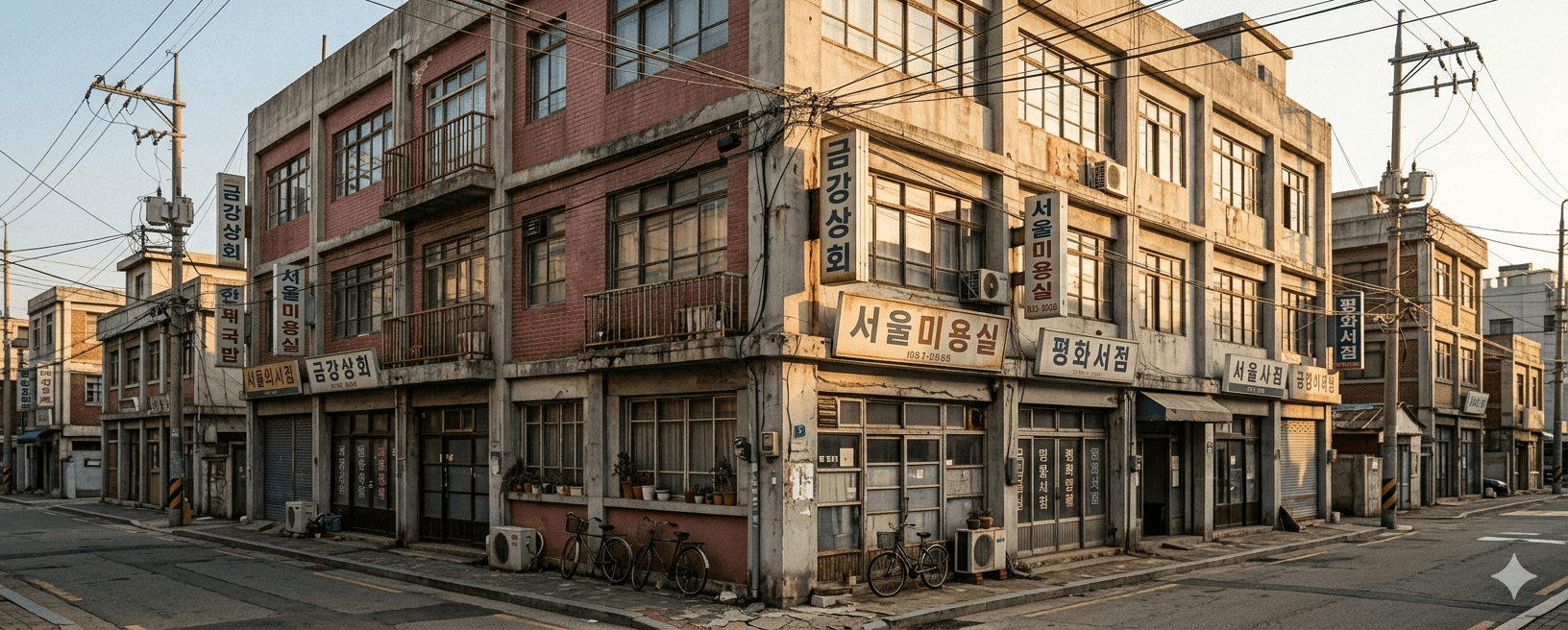
Director Kim Hee-won deliberately blended genres in ways rarely attempted in Korean television, moving seamlessly between slapstick comedy, tense legal thriller, and operatic crime drama within single episodes. The production invested heavily in creating the fictional Geumga Plaza as a fully functional standing set, complete with working storefronts, staircases, and a basement level where the gold vault scenes were filmed. Costume designer Cho Sang-gyeong sourced several of Song Joong-ki's suits from Italian fashion houses to maintain authenticity, and the actor reportedly spent weeks studying Italian pronunciation and body language with a dialect coach from Rome. The drama's visual language drew heavily from Italian cinema, with warm amber tones, wide-angle compositions of cityscapes, and a recurring use of classical music — Vivaldi, Puccini, and Verdi — to underscore Vincenzo's cultured menace. Writer Park Jae-bum crafted the Geumga Plaza tenants as a microcosm of Korean society, each character representing a different demographic that has been failed by the conventional justice system, giving the story an emotional weight that balanced its more outrageous comedic moments. The rooftop confrontation scenes were choreographed by a stunt team that had previously worked on several major Korean action films, lending a visceral intensity to the drama's darker sequences.
Travel Guide: Incheon Chinatown and Tongyeong
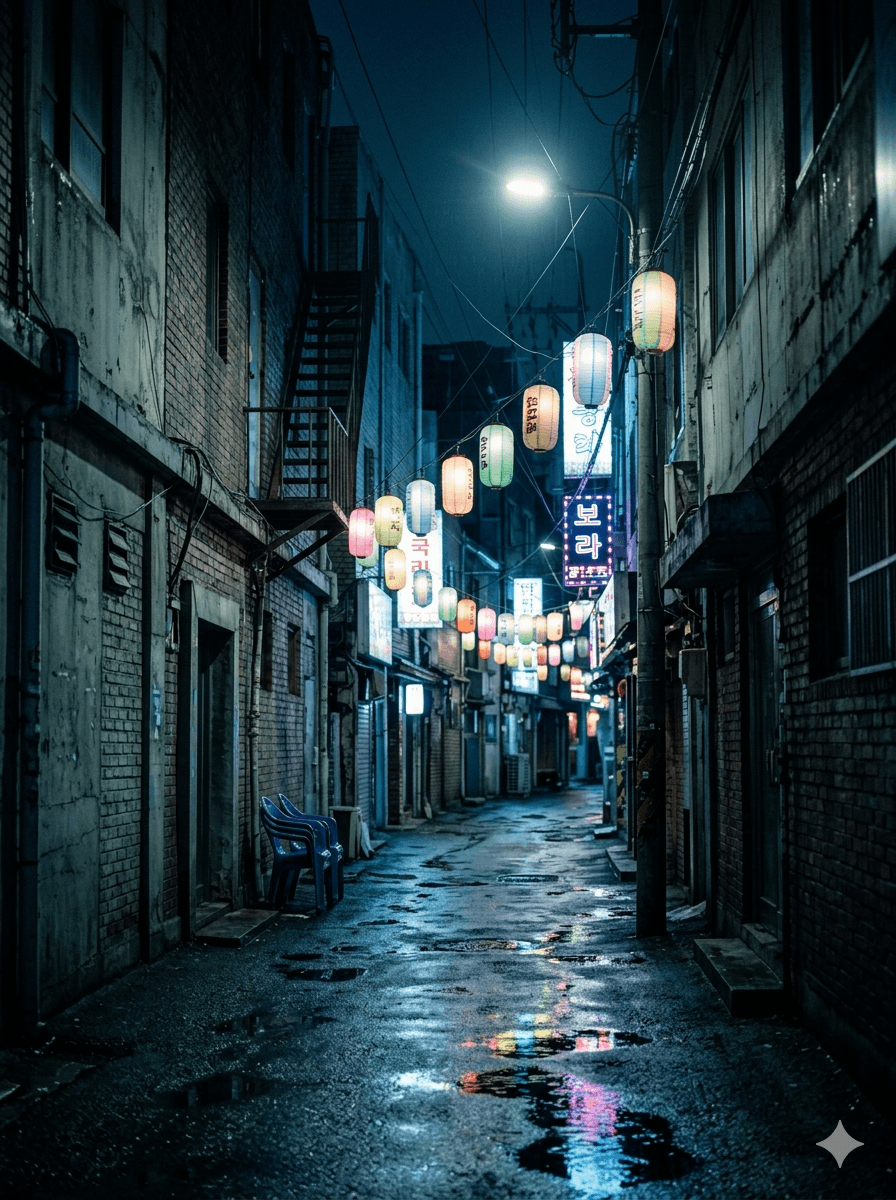
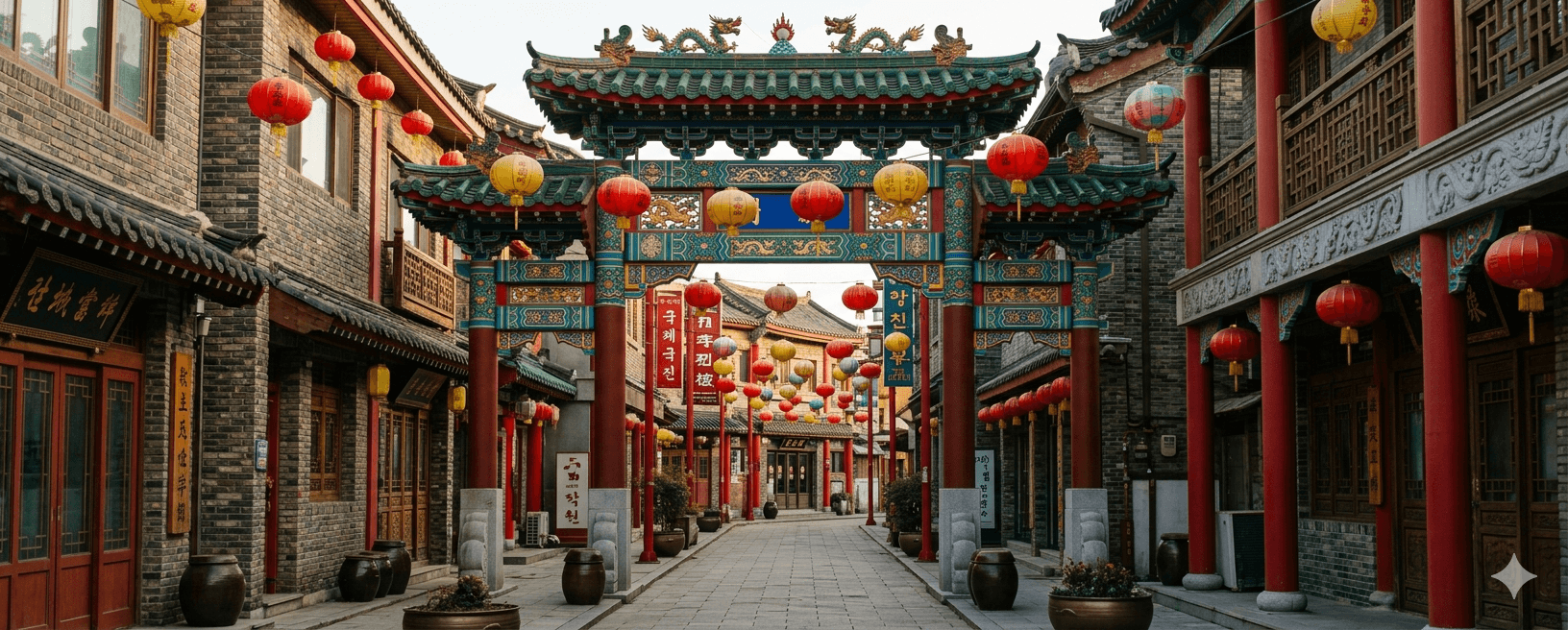
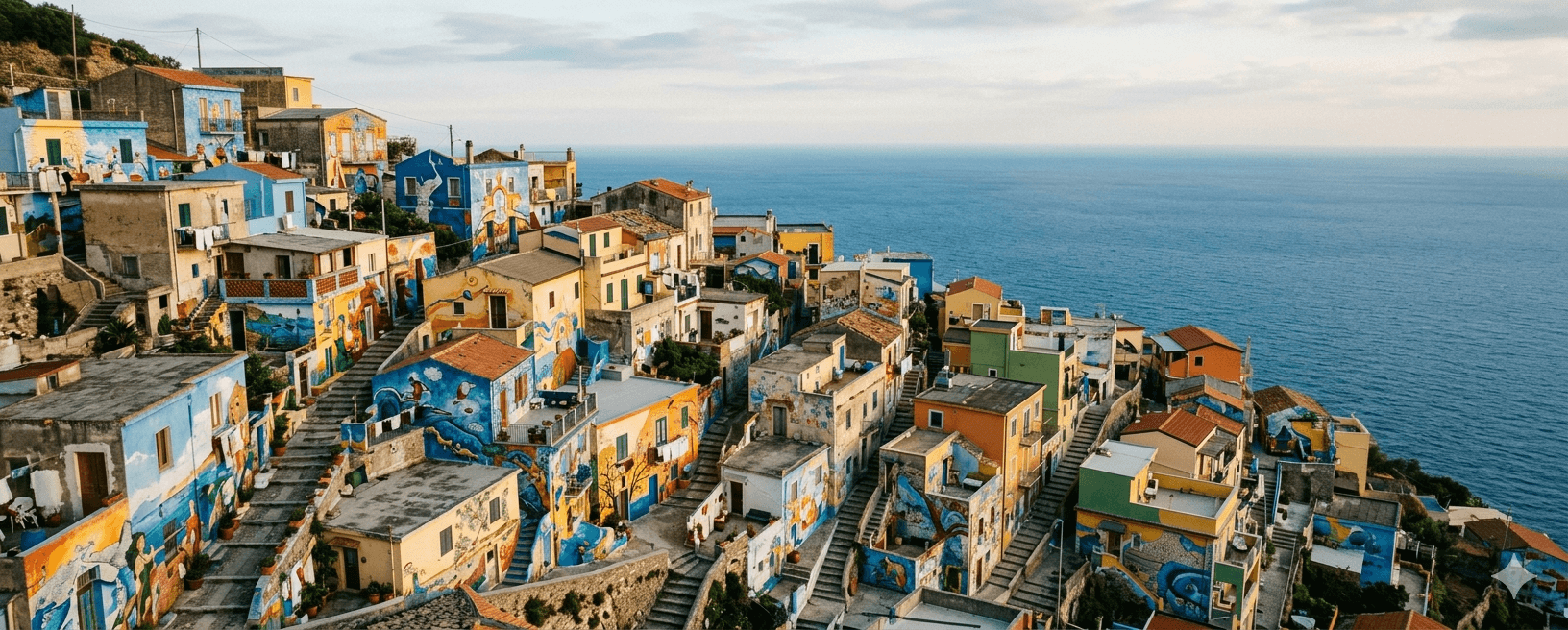
Incheon Chinatown served as one of the drama's most visually distinctive locations. Korea's only officially designated Chinatown sits just steps from Incheon Station, the final stop on Subway Line 1 — roughly a one-hour ride from central Seoul. Exit the station through Gate 1 and you will immediately see the ornate paifang gate marking the entrance. The neighborhood's streets are lined with restaurants serving jjajangmyeon (black bean noodles), tangsuyuk (sweet and sour pork), and hand-pulled noodles, many of them operating for over fifty years. Walk uphill beyond the restaurant district to reach the Jayu Park overlook, which offers panoramic views of Incheon Harbor — a spot featured in several of the drama's establishing shots. For a deeper dive, continue to the nearby Incheon Open Port Museum and the Art Platform, a cluster of renovated early-twentieth-century warehouses now housing galleries and cafes. The second major location, Dongpirang Village in Tongyeong, requires a separate trip to the southern coast. From Seoul, take a KTX train to Jinju (about 2 hours 40 minutes), then transfer to an intercity bus to Tongyeong (about 1 hour). Alternatively, express buses run directly from Seoul Express Bus Terminal to Tongyeong in roughly four hours. From Tongyeong's bus terminal, the village is a 15-minute walk or a short taxi ride away. Perched on a hillside above the harbor, Dongpirang's narrow staircases wind past walls covered in vivid murals — seascapes, cartoon characters, abstract patterns — all painted by local artists who saved the neighborhood from demolition in 2007.
Fan Pilgrimages
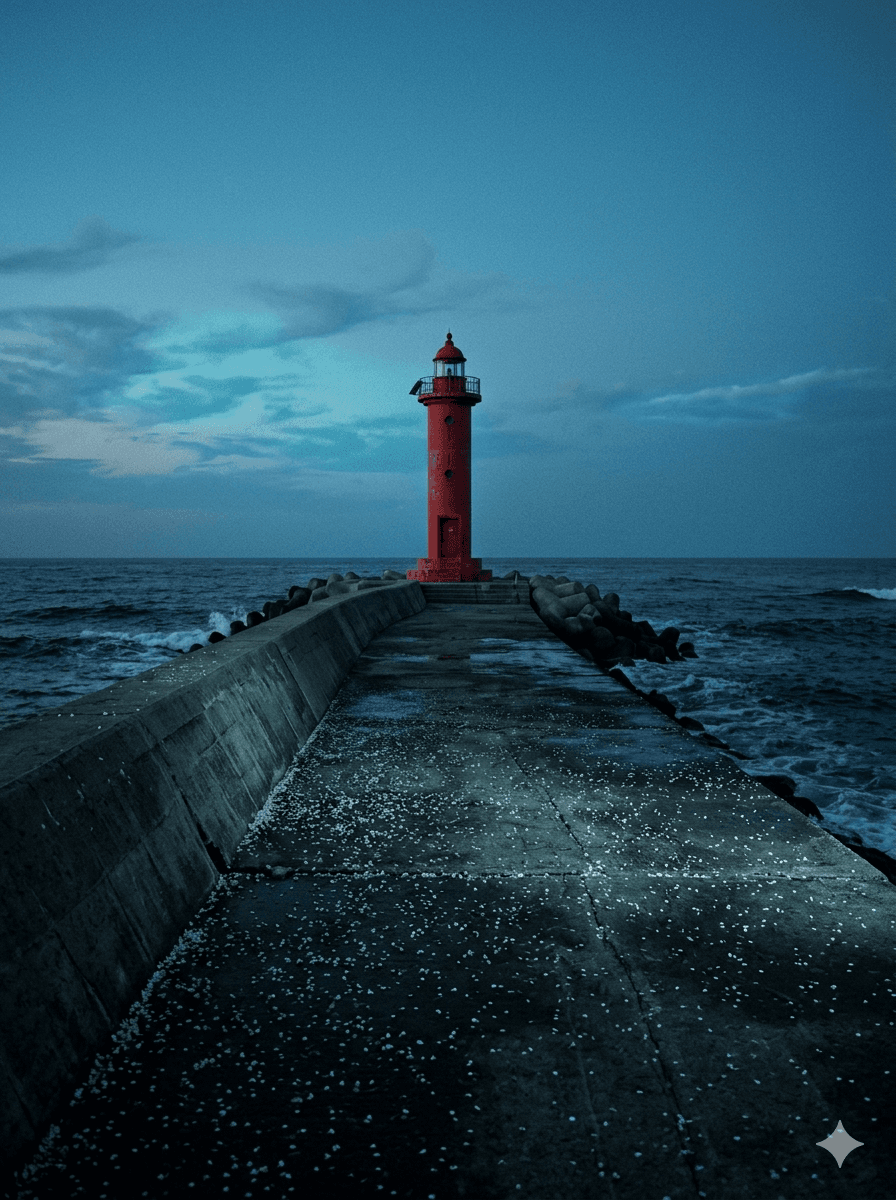
Since its premiere, Vincenzo has drawn dedicated fans to its filming sites from across Asia and beyond. Incheon Chinatown experienced a noticeable uptick in weekend visitors, with many posing beneath the paifang gate or at the harbor wall where key dialogue scenes were filmed. In Tongyeong, Dongpirang Village installed a small photo zone with a Vincenzo-themed backdrop after the drama's finale aired, and local businesses reported a surge in visitors specifically mentioning the show. Social media platforms are filled with side-by-side comparison posts matching drama screenshots to real-world photos, and fan-organized "Vincenzo walking tours" in Incheon have become a recurring event, often timed to the anniversary of the drama's first episode in February. International fans traveling to Korea frequently combine an Incheon Chinatown visit with a trip to the neighboring Wolmido Island, where a seaside boardwalk, amusement rides, and fresh seafood restaurants make for a full day out. The Geumga Plaza set itself was dismantled after filming, but its legacy lives on through fan art, miniature model kits, and a remarkable number of cafe interiors across Seoul that have adopted the building's quirky, lived-in aesthetic.
Food and Nearby Attractions
Food is central to the Vincenzo experience. In Incheon Chinatown, start with jjajangmyeon at one of the historic restaurants along the main strip — Gonghwachun, the birthplace of Korean-style black bean noodles, has been serving the dish since 1908 and is now also a museum. Pair it with crispy gunmandu (fried dumplings) and tangy tangsuyuk. For something lighter, try the wol-byeong (Chinese-style moon cakes) sold at street stalls near the gate. In Tongyeong, the must-eat dish is chungmu gimbap — small, simple seaweed rice rolls served with spicy squid and pickled radish, named after Tongyeong's historical name Chungmugong. The city is also famous for its oysters, harvested fresh from the surrounding waters and served raw, grilled, or steamed at dockside restaurants. Beyond the filming locations, Tongyeong offers the Hallyeo Maritime National Park, accessible by cable car for breathtaking views of the archipelago, and the Tongyeong Undersea Tunnel, a 483-meter pedestrian tunnel running beneath the sea that was built during the Japanese colonial period and remains a fascinating curiosity. Back in Incheon, visitors can ride the Wolmido Sea Train, a monorail circling the island's coast, or take a ferry to Yeongjong Island to explore the quiet fishing villages and tidal flats that sit just minutes from Incheon International Airport.