RealScene
Mr. Sunshine
Drama

Mr. Sunshine

Complete guide to Mr. Sunshine filming locations. Visit the stunning historical sites that brought the Joseon era back to life in this epic period drama.

July 7, 2018 Lee Eung-bok South Korea 3 Published: February 10, 2025
Period DramaRomanceAction

Mr. Sunshine: Defenders of a Stolen Nation

Mr. Sunshine (2018, tvN) is a sweeping historical epic set during the final, turbulent years of the Joseon Dynasty as Japan tightened its colonial grip on the Korean Peninsula. Created by the formidable partnership of writer Kim Eun-sook and director Lee Eung-bok — the same team behind Goblin — the drama stars Lee Byung-hun as Eugene Choi, a man born into slavery in Joseon who escapes to the United States as a child and returns decades later as a decorated U.S. Marine Corps officer. In the land of his birth, now unrecognizable under foreign influence, he encounters Go Ae-shin (played by Kim Tae-ri), an aristocratic noblewoman who secretly leads a righteous army fighting for Korean independence. Their forbidden love unfolds against a backdrop of espionage, sacrifice, and the slow collapse of a nation. The drama achieved a peak rating of 18.1% and was produced on a reported budget exceeding $40 million, making it one of the most expensive Korean dramas of its time. That investment is visible in every frame: the cinematography, period-accurate costumes, elaborate action sequences, and sweeping orchestral score give the series a quality that rivals feature films. The late Joseon era, a period of wrenching modernization and colonial subjugation, had rarely been portrayed with such emotional depth and visual grandeur on the small screen.

Behind the Scenes

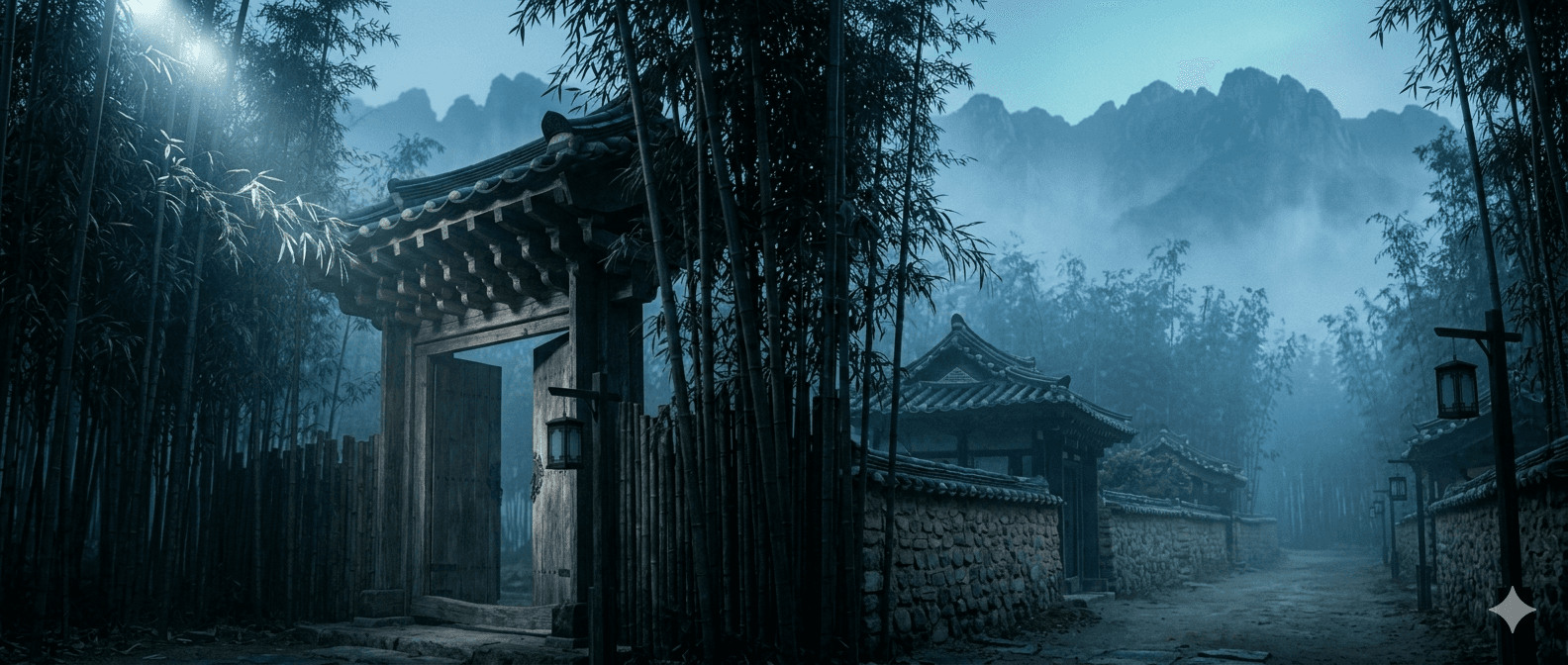
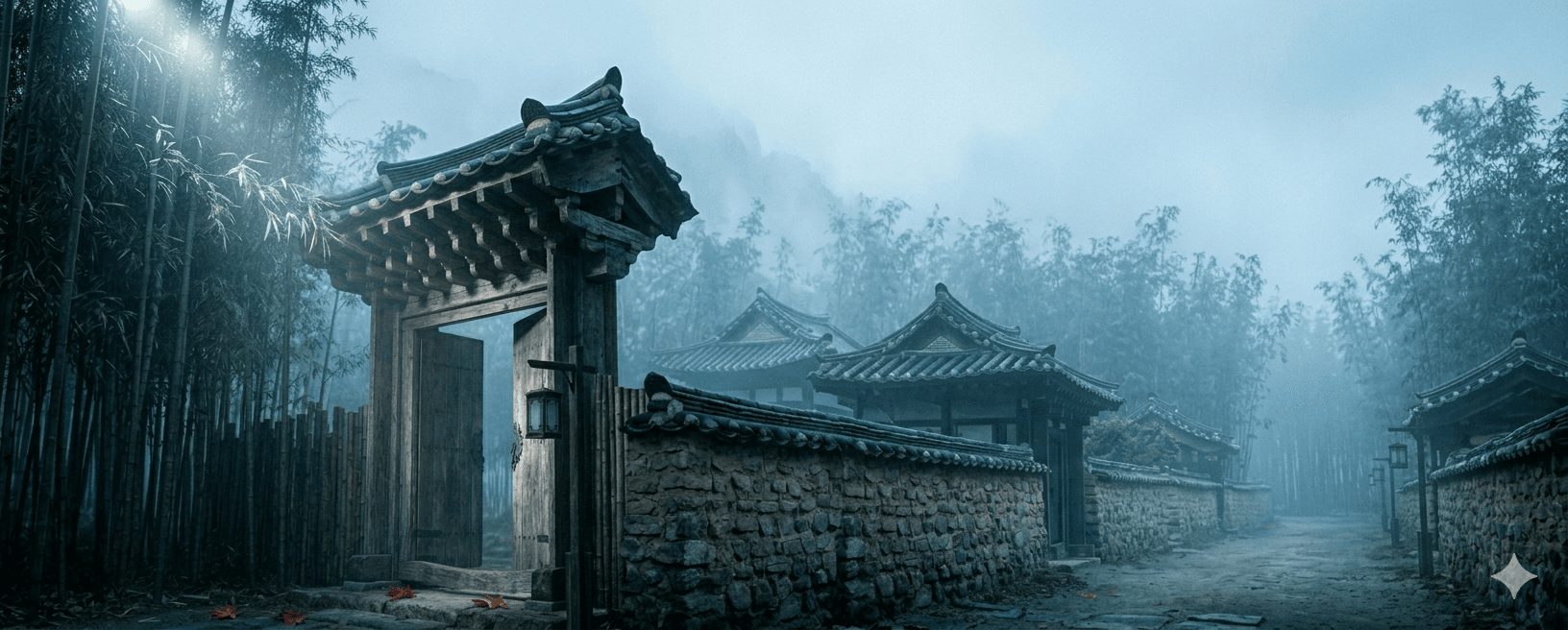
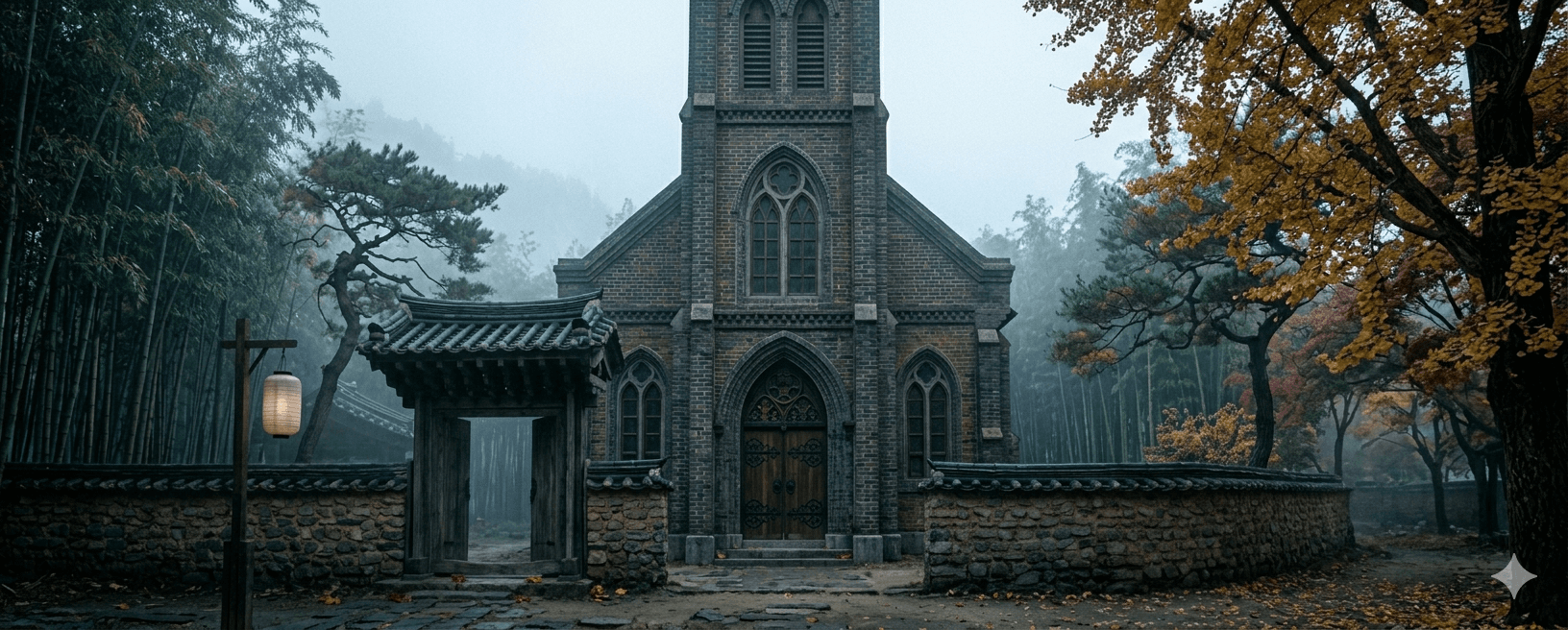
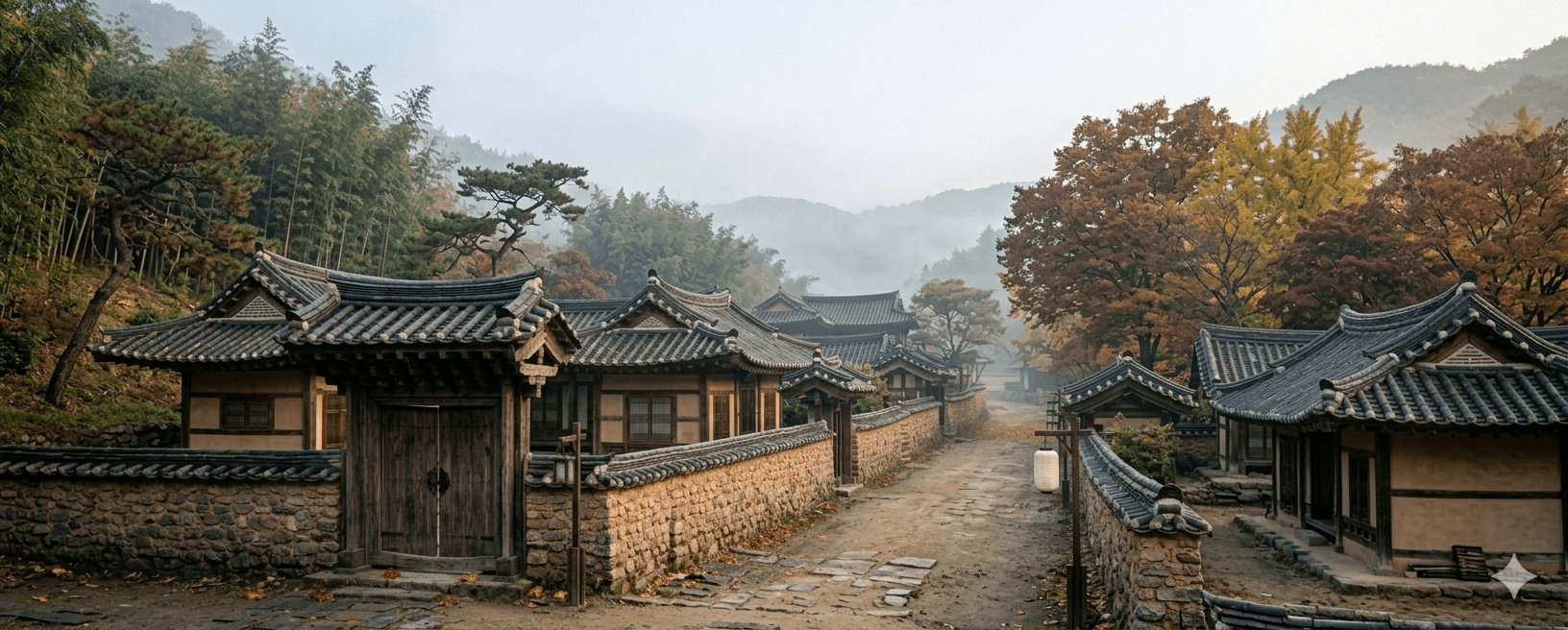
The production's record-setting budget went toward an extraordinary commitment to historical authenticity. Rather than building sets from scratch, the team sought out real locations that had survived from the late 19th and early 20th centuries. Nonsan Myeongjae House, a designated Important Folklore Cultural Heritage property, was the centerpiece of this approach. Built over 300 years ago, this perfectly preserved Joseon-era noble house features the layered wooden architecture, tiled roofs, and walled courtyards of the yangban (aristocratic) class. It required minimal set dressing to transform into Go Ae-shin's family residence, because it already looked exactly as a noble house of that period should. The Ganghwa Anglican Church, constructed in 1900, was chosen for its architecturally unique fusion of Korean hanok design and Western church elements — a wooden structure with a traditional curved Korean roof sitting atop a stone foundation, with an interior organized around a Western nave and altar. This hybrid building physically embodied the drama's central theme of East meeting West in a period of rapid, often violent change. Additional filming took place at various overseas locations to represent the American and Japanese settings in Eugene Choi's backstory. The cast undertook extensive preparation, including months of action training in horseback riding, sword fighting, and period-appropriate firearms handling, to ensure the drama's battle sequences and military drills looked convincing.

Filming Location Travel Guide

The drama's major filming sites are spread across three regions. In Chungcheongnam-do, Nonsan Myeongjae House is the must-visit location. From Seoul, take the KTX to Nonsan Station (about 1.5 hours), then a taxi for approximately 15 minutes to the village of Gyochon-ri in Noseong-myeon. The house is open to visitors and admission is free. Allow at least an hour to explore the main house, servants' quarters, garden, and the surrounding village, which retains much of its traditional character. On Ganghwa Island in Incheon, the Ganghwa Anglican Church is a 10-minute walk from the Ganghwa Bus Terminal. Ganghwa Island is accessible from Seoul by taking a bus from Sinchon Bus Terminal to the Ganghwa terminal (about 1.5 hours). While on the island, combine the church visit with a tour of the island's numerous historical fortifications and the Ganghwa Peace Observatory, which offers views into North Korea. In Gyeongju, Yangdong Folk Village is reachable by Bus 203 from Gyeongju Station, a ride of about 30 minutes. From there, it pairs naturally with a visit to Bulguksa Temple and Seokguram Grotto, both UNESCO World Heritage Sites. The best seasons for these locations are spring (April-May) for mild weather and wildflowers, and autumn (October-November) when the foliage surrounding the traditional houses and temples creates breathtaking scenery.

Fan Pilgrimages

Myeongjae House has become a quiet but steady pilgrimage site for fans of historical Korean dramas. Unlike flashier tourist spots, it retains a contemplative atmosphere — visitors can walk through the same courtyards where Go Ae-shin trained in secret, sit on the wooden maru (veranda) where pivotal conversations took place, and absorb the stillness of a house that has stood for three centuries. The fact that admission is free makes it an exceptionally accessible filming location. Yangdong Folk Village in Gyeongju carries the added prestige of being a UNESCO World Heritage Site, recognized for preserving one of the largest and oldest clan villages in Korea. Walking through its winding paths and traditional houses, many still inhabited by residents, feels like stepping back into the Joseon era — which is precisely the effect the drama's cinematographers aimed for. For fans who approach the drama from a historical perspective, visiting these locations becomes more than tourism: it becomes a way of engaging with the real history of Korean resistance and cultural preservation that the drama depicts. On social media, the drama's filming locations are often featured in curated history drama fan courses that combine Mr. Sunshine spots with locations from other period dramas like Kingdom and Jewel in the Palace.

Nearby Food & Attractions

In Nonsan, the region is famous for strawberries — Nonsan produces more strawberries than any other area in Korea, and from December through March, visitors can enjoy strawberry picking at local farms and sample fresh strawberry desserts at roadside cafes. The nearby traditional market sells excellent local produce and street food. On Ganghwa Island, the specialty is salted seafood (jeotgal), particularly salted shrimp and pickled crab, prized as accompaniments to Korean meals. The island's intertidal flats also produce exceptional clams and oysters. After visiting the church and fortifications, stop at one of the seafood restaurants near the Ganghwa Bridge for a fresh spread. In Gyeongju, the food and culture scene has blossomed around Hwangnidan-gil, a vibrant street of converted hanok buildings now housing cafes, restaurants, and craft shops. It provides a lively contrast to the solemnity of the nearby temples and heritage sites. For accommodation, Nonsan is best visited as a day trip from Daejeon (30 minutes by train), while Ganghwa can be done as a day trip from Seoul. Gyeongju deserves at least an overnight stay, with options ranging from the resort hotels around Bomun Lake to the atmospheric hanok guesthouses near Hwangnidan-gil that let you sleep on traditional heated ondol floors.

📍 Filming Locations

1

논산 명재고택 (고애신 생가)

충남 논산시 노성면 교촌리

고애신의 생가로 등장하는 명재고택. 조선 후기 양반가의 품격을 그대로 보여주는 아름다운 한옥입니다.

논산역에서 택시로 약 20분

36.2088, 127.0935

View on Map

Google Maps

Search nearby hotels
2

강화도 성공회성당

인천 강화군 강화읍 관청리

구한말 서양 문물이 들어오는 장면의 배경이 된 성공회성당. 한옥과 서양 건축이 결합된 독특한 양식이 인상적입니다.

강화버스터미널에서 도보 15분

37.7472, 126.4872

View on Map

Google Maps

Search nearby hotels
3

경주 양동마을

경북 경주시 강동면 양동마을길

드라마 속 조선시대 마을 풍경이 촬영된 유네스코 세계문화유산 양동마을. 500년 역사의 전통 마을입니다.

경주역에서 버스 203번 이용 (약 40분)

35.8375, 129.2347

View on Map

Google Maps

Search nearby hotels

🧳 Plan Your Trip

🎬 Related Works